Online Reporter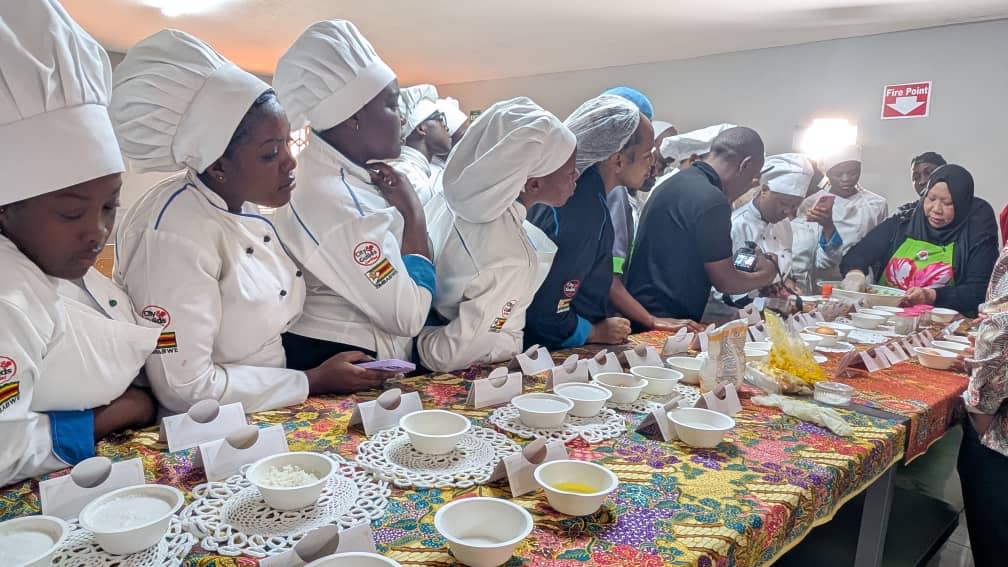
Ivan Zhakata
Herald Correspondent
MALAYSIA and Zimbabwe are strengthening bilateral relations through culinary diplomacy, with the Embassy of Malaysia using its UNESCO-recognised breakfast culture to promote tourism, education and cultural exchange at the Culinary Arts Academy in Harare.
The inaugural Malaysian Breakfast Culture: Cooking Demonstration 2026, held at the academy’s Belvedere Campus recently, exposed students to Malaysia’s rich culinary heritage through practical cooking sessions featuring some of the country’s most iconic breakfast dishes.
Speaking at the event, Malaysia’s Chargé d’Affaires, Mr Aniff Fauzi, said the programme was part of efforts to foster stronger people-to-people relations between Zimbabwe and Malaysia through gastronomy.
“In 2024, UNESCO inscribed Malaysian breakfast culture as one of the Intangible Cultural Heritage,” he said.
Mr Fauzi said the recognition was a milestone for Malaysia as breakfast culture represented more than food, reflecting the country’s multicultural identity and shared traditions.
He said the Embassy deliberately made the demonstration interactive to give students a first-hand experience of preparing authentic Malaysian cuisine.
“For the first time in the history of our embassy, you are going to prepare and you are going to cook. I am going to taste your masterpiece after this cooking demonstration,” he said.
Mr Fauzi said the cooking session centred on Nasi Lemak, Malaysia’s signature breakfast comprising fragrant coconut rice served with sambal, anchovies and egg, accompanied by Ayam Goreng Berempah (spiced fried chicken).
“We are not going to demonstrate everything because it would take three days. We are focusing on one of the signature components of Nasi Lemak, which is the spiced fried chicken,” he said.
He said participants would also prepare Kuih Serabai, a traditional Malaysian sweet pancake, while other dishes and beverages, including Teh Tarik, pulled tea lemonade and rose sirap, would be served during the programme.
Mr Fauzi said the initiative coincided with Visit Malaysia Year 2026, inviting Zimbabwean students and professionals in the hospitality industry to explore educational opportunities in Malaysia, which offers affordable tuition, internationally recognised culinary institutions and quality hospitality training.
Speaking on the sidelines of the event, Culinary Arts Academy director Mr Tinotenda Moyo said the programme gave students practical exposure to international cuisines beyond what they learn in textbooks.
“Today we are hosting Malaysia’s breakfast culture and this is an outstanding initiative that gives our students an appreciation that culinary arts are much broader than what they only read about in books,” he said.
“Our students study cuisines from Malaysia, Europe and other parts of the world, but opportunities like these allow them to experience the dishes physically and learn directly from experts.”
Mr Moyo said the academy regularly partnered with international institutions and embassies to expose lecturers and students to new cooking techniques, ingredients and food cultures.
He said such exchanges also presented an opportunity to elevate Zimbabwean cuisine by combining international best practices with local culinary traditions.
“Our challenge as Zimbabwe is to put our own traditional dishes on the global map. When our students see authentic cuisines from other countries and the stories behind them, they are inspired to innovate and tell the story of our own food, from our traditional chicken dishes to other indigenous recipes,” he said.
Mr Moyo said the academy sought to produce graduates who would become ambassadors of Zimbabwean cuisine while competing on the international stage.
Students participated in the hands-on cooking sessions under the guidance of the embassy’s chef, learning authentic Malaysian cooking techniques, spices and ingredients before sampling the dishes they had prepared.
The event builds on the Embassy of Malaysia’s cultural diplomacy initiatives, including the annual Jom Makan food festival aimed at promoting Malaysian cuisine while strengthening relations between the people of Malaysia and Zimbabwe.