Online Reporter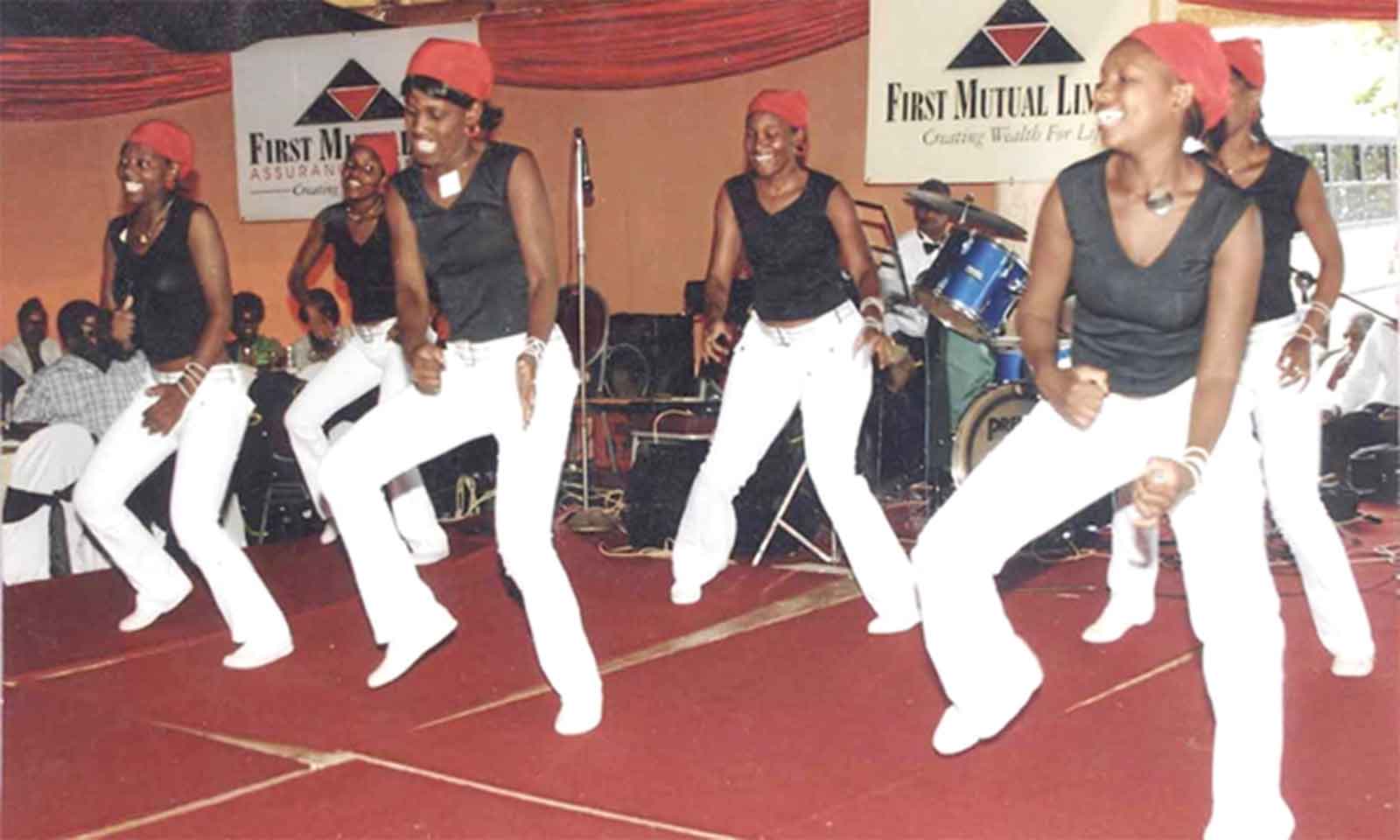
Trust Khosa
Zimpapers Arts and Entertainment Hub
UNITED KINGDOM-BASED theatre practitioner and founder of Mambokadzi Dance Group, Enisia Mashusha, believes her ensemble left lasting footprints on the local music scene.
Mashusha became known at the turn of the century for launching an all-female dance ensemble that quickly made waves.
Mambokadzi rivalled other groups such as Girls of Peace, Girls La Musica, Blue Virgins, Amavhitikhazi, Boy and Girls La Auto, among others. Like many groups of that era, Mambokadzi eventually disbanded as members pursued individual career paths, making room for a new generation of dancers, including Beverly Sibanda and Zoey Sifelani.
Without bias, it should be noted that Mashusha made a mark on the local showbiz scene by running a professionally managed ensemble.
The all-female dancers established themselves as video vixens, appearing in several music videos — most notably Joseph Garakara’s “Idya Banana.” Now based in the United Kingdom alongside Siphiwe Gowera, Mashusha finds it difficult to regroup the original company, though she has not lost hope for the creative empire she built. In an interview with Zimpapers Arts and Entertainment Hub, Mashusha said Mambokadzi left a mark that is hard to ignore.“Mambokadzi was a powerful chapter, but as my late director Cont Mhlanga used to say, “You have created a brand; now it’s time to move from being a dance group to being a producer.” I have embraced that evolution. “My focus now isn’t on reviving the group in its old form, but on reviving the spirit of Mambokadzi through high-level production. I am currently producing programmes for youths (ages 18–35) in the UK, focusing on “Relationships Under Pressure” and using my platform to mentor the next generation,” she said.
Mashusha, who still cherishes the good moments she had with the group, believes Mambokadzi broke boundaries.
“We proved that female-led dance groups could be professional, disciplined, and internationally relevant. We moved from the dance floor to the theatre stage, touring internationally and showing that Zimbabwean art is a world-class export. We created a brand that stood for empowerment and artistic excellence.” She also hailed dance as a powerful medium of communication that should be embraced at all times. “Dance is a universal language. It’s more than movement; it is a tool for storytelling and healing. Even in my current community here in Leeds, I use dance as a movement reset — a way for people to re-lease the pressures of life, lose weight, and find mental clarity. It is the most direct way to connect the mind and the body.