Trust Khosa
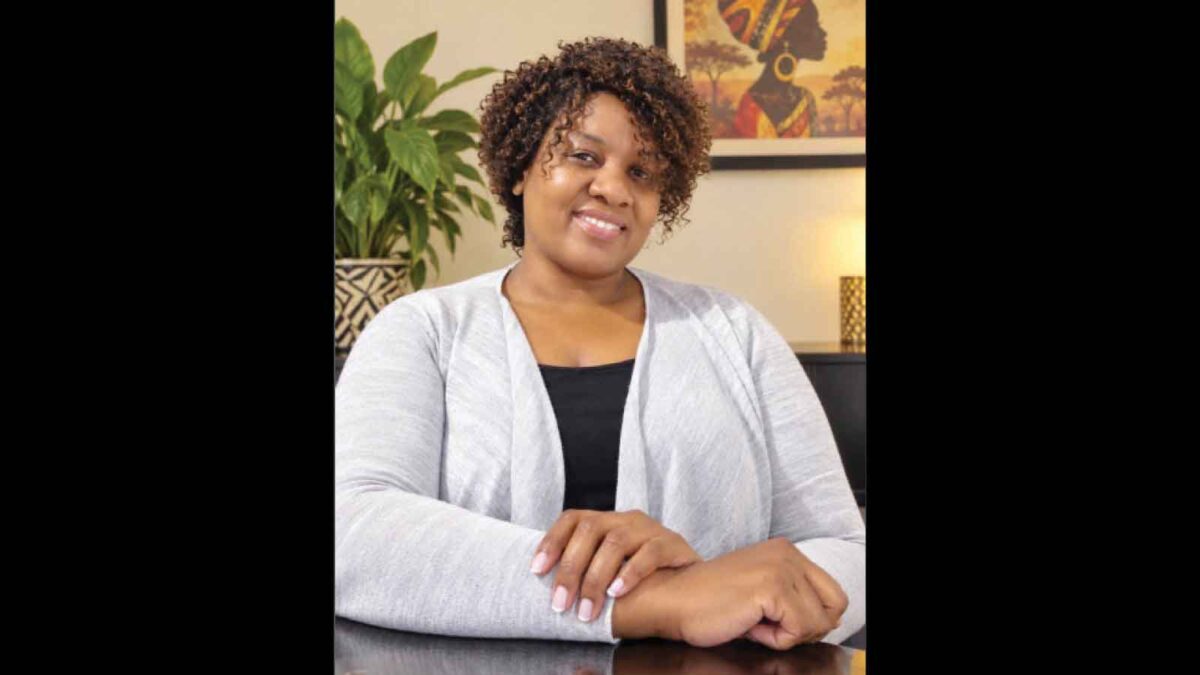
UNITED Kingdom-based theatre practitioner, Enisia Mashusha, is using creativity to promote mental wellbeing and help people overcome isolation in Leeds.
This is being done through her initiative, Mambokadzi Wellness.
The programme uses storytelling, creative writing, dance, music, African drumming, group discussions and confidence-building activities to support people experiencing loneliness and emotional distress. Mashusha, a former Amakhosi Theatre practitioner who now lives in the UK, draws on her artistic and professional experience to create safe spaces where people can express themselves, build confidence and connect with others.
“For us, Mambokadzi Wellness is about creating safe spaces where people can feel seen, heard, connected and free to express themselves,” she told Zimpapers Arts and Entertainment Hub.
“We use creativity as a tool for wellbeing because we believe people can communicate, process emotions and reconnect with themselves through movement, music, storytelling, art and human connection. Through our workshops, we have seen people who initially arrive feeling quiet or isolated gradually begin to participate, laugh, move, share their experiences and connect with others.
“Transformation does not happen through one dramatic moment.
“It can begin with something as simple as someone finding the confidence to speak, joining an activity, sharing their story or realising that they are not alone.”
Mashusha, an experienced counsellor and social worker, said her professional background and artistic skills had helped shape the programmes.
“Mambokadzi Wellness brings together different creative and interactive approaches to wellbeing, depending on the needs of each group.
“A session might begin with a conversation about isolation, confidence or emotional wellbeing before moving into storytelling, movement, music or drumming.
“Creativity becomes a bridge that helps people connect with themselves and one another.”
Asked which mental wellness issues needed urgent attention, Mashusha identified social isolation and emotional wellbeing as major concerns.
“We believe social isolation, emotional wellbeing, confidence, connection and access to safe community spaces need much more attention.
“There are people who can be surrounded by others and still feel lonely. Young people may struggle to find their voice, while older people can experience isolation and lose their sense of connection.
“We also believe wellbeing needs to be approached holistically. Sometimes people need more than a formal conversation.
“They may need an invitation to participate, move, laugh, create, listen or simply spend time with others. This is where creativity can play an important role. Art, music, movement and storytelling can create opportunities for expression, connection and self-discovery.”
Mashusha said the programme was designed to welcome people of different ages and backgrounds, and she was encouraged by the interest it had received. “Our programme is designed to be inclusive and welcoming to people from different backgrounds and age groups.
“We have seen interest from community members, women, young people and people looking for opportunities to connect with others.
“We also want to reach communities where isolation, limited social connections or a lack of creative opportunities may be a challenge,” she said.
The positive response has strengthened Mashusha’s resolve to expand the initiative beyond the UK.
“We have followers and supporters in different parts of the world who have connected strongly with the idea of using creativity, storytelling and community connection to support wellbeing.
“The themes we explore, including healing, isolation, confidence, self-worth and connection, are universal. They are not limited to one country or one community.”
Mashusha has since been invited to Scotland to conduct another session following a well-attended programme in Swarcliffe, Leeds.
Before relocating to the UK, she worked as a theatre practitioner and director, appearing in several local dramas and plays.
She is also a founding member of the all-female dance group Mambokadzi, which rose to prominence at the turn of the millennium.