Online Reporter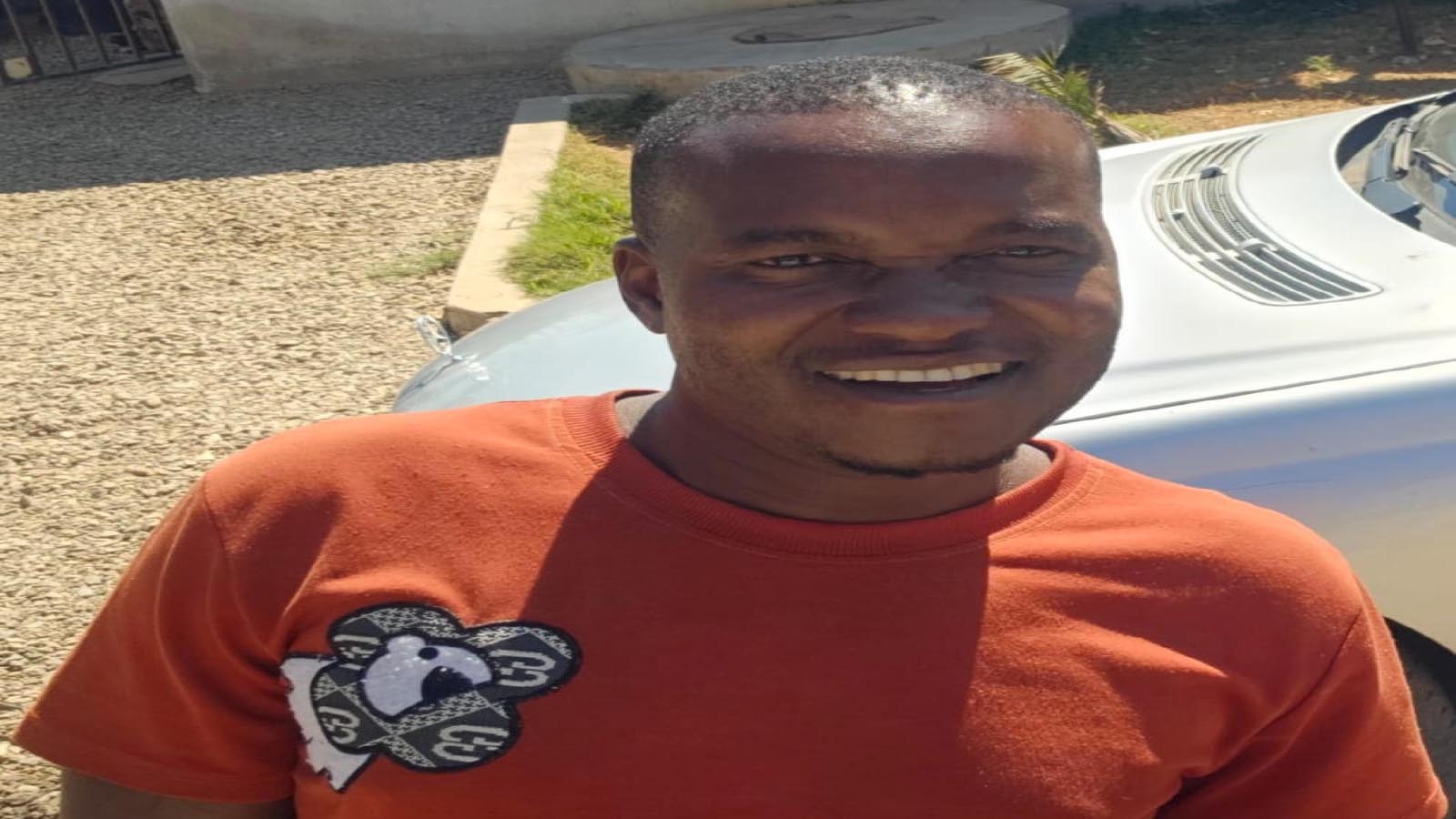
Gilbert Munetsi
SIMBARASHE Chadiwa, who spent almost a decade in prison for a crime he insists he never committed, will hold his wedding ceremony on September 26 at Harare Gardens.
The woman who accused him of raping her, when she was still a child, has changed her story, after she became an adult, and now says Simbarashe never raped her.
Organisers have dubbed it ‘Muchato Wenyika.’The wedding planner, Kundai Murengwa of Tilder Foundation, said the team was encouraged by the progress made so far.
The confirmation of Harare Gardens marks a significant milestone for the organisers, who are working to create an occasion that reflects the meaning behind their decision to dub it ‘Muchato Wenyika.’
“The wedding clothes are now available. We have a designer who designed the clothes for both the bride and the groom.
“The Wedding Centre is dressing the bridal team, and the rings are also available,” said Murengwa. These developments offer a glimpse into the attention being given to both the symbolic and visual aspects of the ceremony. The bridal party is already undergoing dance rehearsals under the guidance of choreographer T-Bone.
Classes began last Sunday, with another session held on Tuesday.
A further rehearsal is scheduled for Sunday.
The wedding planner said the organisers were grateful for the support received so far but acknowledged that more work remained.
“We are still looking for food supplies. At the moment, we have only secured the meat.”
The bachelor’s party and bridal shower will be held on the same day, a week before the wedding, but at different venues.
It’s been a dramatic two years for Simbarashe. On April 19, 2024, the prison gates opened and Simbarashe stepped back into a world that had moved on without him.
Freedom also arrived wrapped in a legal contradiction that refuses to loosen its grip.
He is out, he has rebuilt, he is now married and he is a father.
Now, he is preparing for his wedding ceremony.
And, yet the rape conviction that stole nine years of his life remains by all available accounts, judicially intact.
Simbarashe insists he never raped the person whose accusations sent him to jail.
His case took a dramatic twist when the complainant, now an adult, publicly changed her story in 2023. She told media outlets that the allegations were false and that she was pressured, as a child, to implicate him.
She said she had been living in hell carrying the weight of what she had done.
In April 2024, Simbarashe was released under the Presidential Amnesty.
The real fight for him now is not about staying out of prison. It is about overturning the conviction itself. A rape conviction carries consequences that outlast any prison term.
It destroys employment prospects, professional licensing, immigration applications, personal relationships, and community standing.
The most significant development in this case is the complainant’s decision to change her story.
But a newspaper interview, however compelling, does not replace a criminal conviction.
The central legal question is not simply whether she now says Simbarashe did not rape her and he is innocent. It is whether the new evidence is sufficiently credible and significant to demonstrate that the original conviction is unsafe and should no longer stand. That, ultimately, is a matter for a court to determine.
Against that background, and all those legal minefields, Simbarashe is preparing for his wedding ceremony in just eleven days’ time.