admin
admin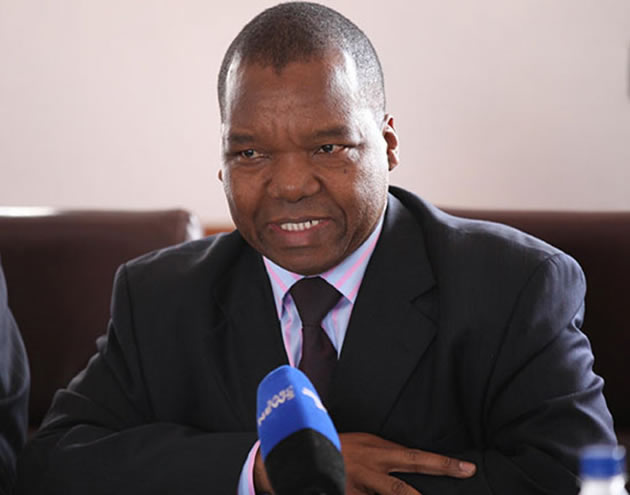
Golden Sibanda Harare Bureau
RESERVE Bank of Zimbabwe Governor John Mangudya says Zimbabwe is working hard to “put its house in order” to regain access to fresh low cost funding. The central bank chief is overly optimistic the country will be able to mobilise the $1.8 billion needed to clear its arrears to global financiers by June next year.
Mangudya said it will not be easy to secure the funding, but said it was not impossible to mobilise the huge amount of money to clear Zimbabwe’s arrears. He said clearing the arrears to the three preferred international financial institutions would remove the country’s risk profile and open fresh funding to Zimbabwe.
The government will give priority to clearing its arrears with the International Monetary Fund, African Development Bank and World Bank; the preferred creditors. This is critically important in view of the fact that the IMF and WB are seen as the international commissioners of oath for purposes of credit rating by other renowned global financial lenders.
“We need to put our house in order. Who would give you new money if your house isn’t in order? If it comes, it’ll be very expensive,” Mangudya said. Mangudya said the government was working to develop the economy through measures that increase economic activity, create jobs and reduce poverty, adding it should be given time to work on that.
The government, together with RBZ, is seeking to raise $1.8 billion to first clear its arrears with the African Development Bank, International Monetary Fund and World Bank, the three financiers regarded as preferred creditors in terms of current efforts. Later, it would also seek to clear arrears to the Paris Club and other bilateral financiers, to re-establish its relations for renewed financial support.
To that end, a committee led by the RBZ governor and comprising central bank and Ministry of Finance officials visited European capitals of Zimbabwe’s financial creditors to drum up support for the country’s arrears clearance strategy. The initiative culminated in successful engagement of the creditors during IMF/WB meetings in Lima, Peru about a week ago, resulting in overwhelming approval of the strategy by all the creditors.
The RBZ chief said the nation should not be pessimistic about the seemingly daunting task of mobilising the required financial resources to clear its arrears. “If it’s not possible, why would we be wasting our time?” he asked. He said success in securing the financial resources to clear arrears to the three IFIs would largely depend on the quality of the structure to be put in place. “It’s never easy, but I want to assure you that the money will be secured.”
Finance Minister Patrick Chinamasa last week said the government would seek cheaper funding from global financiers to clear arrears with the three IFIs.
He stressed the point that the government has sought assurances that it would immediately get access to fresh credit once it clears its arrears from April 2016. Mangudya said the national debt strategy was different from strategies or approach normally used when sourcing funding to support the private industry, considering that even the risk factors were different.
Clearing the arrears to the IFIs, Mangudya said, will enable WB’s private sector financier, International Financial Corporation, to lend to Zimbabwe’s industries. Local manufacturing industry is battling to secure low priced funding to retool and ramp up production, averaging 39 percent, according to industry lobby CZI.
Zimbabwe holds about $10 billion in external debts to multilateral and bilateral financial institutions with half of that debt made up of overdue arrears.



 Online Reporter