Chronicle Editor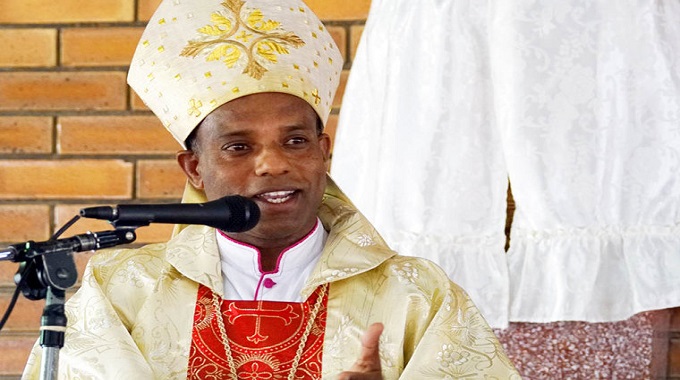
Faith Ndlovu, Sunday News Reporter
MANGWE District in Matabeleland South Province is set to benefit from a borehole drilling facility by a Roman Catholic Church-run non-governmental organisation.
Caritas, which is the official development agency of the Catholic Church is expected to drill five boreholes in the district, with the surveying of the water points already complete.
Mangwe District like many other parts of the country was negatively affected by the El-Nino-induced drought, which decimated the district’s agricultural sector.
In an interview with Sunday News, Caritas country director, Archbishop Alex Thomas, said they aim to alleviate the water scarcity that is faced by the residents, by providing a reliable water source to the community.
“When the borehole drilling fails, for the future, we want to go into the construction of small dams that require very little in terms of finance, material and time to rehabilitate,” said Archbishop Thomas.
Mangwe ward one councillor, Nhlanhla Regis Ncube said the project is targeting one borehole at a centre ward where there is a dip tank and four in other wards.
“Caritas has set out a target to resuscitate some water sources focusing on boreholes and a dam to be constructed at Madabe Village in Ward Three. As a district, we also have other water projects where Fakanye and Empandeni dams are at 90 percent complete.
“We are scaling up efforts for these dams to be completed to ensure that people have enough water, for them and their livestock in the face of El Nino drought. From Caritas, five wards will benefit, which are ward one, two, six, 13 and 14,” said Clr Ncube.
He further revealed that each of the benefitting wards will get US$10 800 to run their project.

The target is to complete the rehabilitation process before the end of this month.
“We did the verifications on August 10, it seems we will be successful, the project is ongoing and what is left is to drill and install the boreholes,” said Clr Ncube.
The borehole to be drilled in the dip tank saves to reduce labour because people are using bucket systems to fill the tank.


 Online Reporter