Online Reporter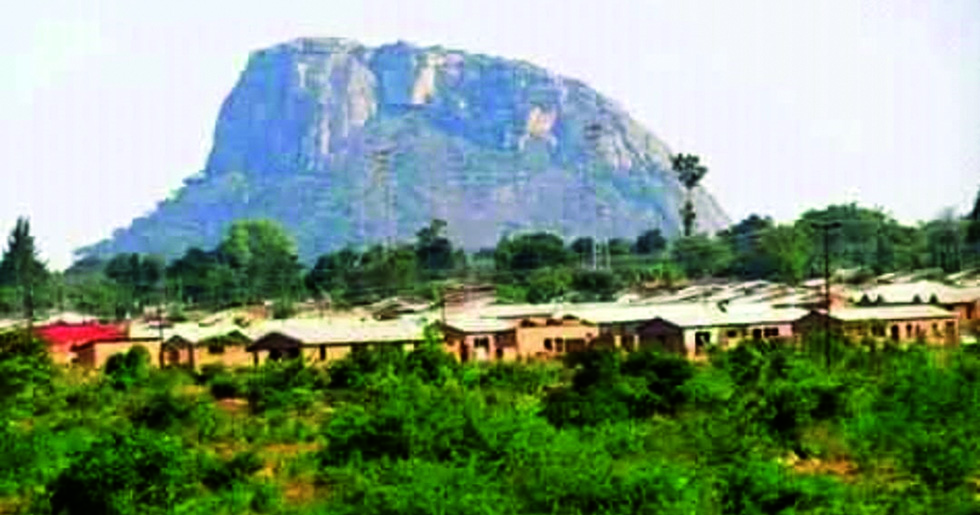
Liberty Dube
Tourism Correspondent
CONTINUING the journey from last week’s feature on Manicaland’s enchanting, yet often overlooked peaks, this week we delve deeper into the Eastern Highlands to uncover even more hidden gems.
These are some of the mountains that rise in quiet majesty, capturing the eyes of travellers, local and regional tourists as they travel along the Harare–Mutare and Mutare–Masvingo highways.
These are the peaks that do not often make it to glossy brochures, but once discovered, they linger forever in memory.
Whether it is the mist-kissed slopes of Bvumba, the bold outcrops in Nyanga, or the brooding shadows seen from the open road, Manicaland’s lesser-known mountains, especially in Mutare, Nyanga, Mutasa, Makoni and Marange, whisper stories of wild beauty, ancient spirits, and undiscovered adventures.
Rising at 2 143 meters (7 031ft) above sea level, Manyoli, situated in Nyanga District, is a majestic peak tucked deep within the Eastern Highlands.
With a quiet dignity, it claims its place as the seventh highest peak in the Eastern Highlands and the 10th tallest in Zimbabwe.
Its 294-meter prominence gives it a distinct profile against the highland skyline, making it a natural attraction for hikers, climbers, and photographers alike.
Ideal for nature lovers seeking solitude and elevation, Manyoli offers sweeping views of the valleys below, lush with indigenous forests and scattered rural homesteads.
There is Chinanazembe, which is Bvumba’s crown jewel.
Located in the misty Vumba Mountains, Chinanazembe stands tall at 1 997 meters (6 552ft).
Though not the tallest in the country, it holds a special place as the highest peak in Mutare, and the eighth tallest in the Bvumba range.
From its summit, the surrounding hills of Mozambique can often be seen stretching into the horizon, especially on crisp, clear mornings.
It is a perfect destination for eco-tourists and birdwatchers, given Bvumba’s status as a biodiversity hotspot. With rare orchids and over 200 bird species, including the elusive Swynnerton’s Robin, Chinanazembe is not just a mountain, but a natural symphony.
Then there is Mawewe Mountain, which is a wild beat of Mutare and a hidden powerhouse in Zimbabwe’s highland geography.
It stands at 1 722 meters (5 650ft) with a staggering 572-meter prominence.
Ranked third in prominence in Mutare and 11th across Zimbabwe, this mountain pulses with rugged allure.
The mountain is made for the intrepid.
Its steep slopes, densely vegetated trails, and panoramic cliff points challenge even seasoned trekkers.
But the reward is rich – silence broken only by the breeze, a sense of scale that humbles, and sunset views that paint the valleys below in molten gold.
At 1 193 meters, Chinyamasese may be smaller in stature, but it commands attention with its 352-meter prominence, making it one of the most visually striking hills near Mutare.
The views from the top are panoramic, offering sightlines of nearby peaks and valleys wrapped in the green and gold hues of the highlands.
Names of other breathtaking, yet lesser-known mountains such as Chipondiomwi, Rowa, Madanga, Matika, and Danbarari may not yet ring bells in tourist circles, but they have too.
These elevations stand like quiet sentinels along Manicaland’s hidden trails, waiting to be explored, documented, and loved.
Whether it’s the sunrise against Matika’s ridges or the echo of wind through Rowa’s rock outcrops, these mountains offer what no polished itinerary ever can.
For hikers, those who enjoy Kodak moments as well as nature lovers seeking paths less travelled, these not-so-much-talked mountains of Manicaland offer an untamed paradise waiting to be explored.
The peaks are woven into a landscape where every trail tells a story.
The crisp mountain air, the chorus of birdsong and the breathtaking views from each summit create an experience that is both physically invigorating and spiritually renewing.
These lesser-known peaks, untouched by mass tourism, provide the ideal setting for those chasing golden hour magic, solo travellers in search of inner peace, or groups of tourists looking for Zimbabwe’s hidden gems.