Chronicle Editor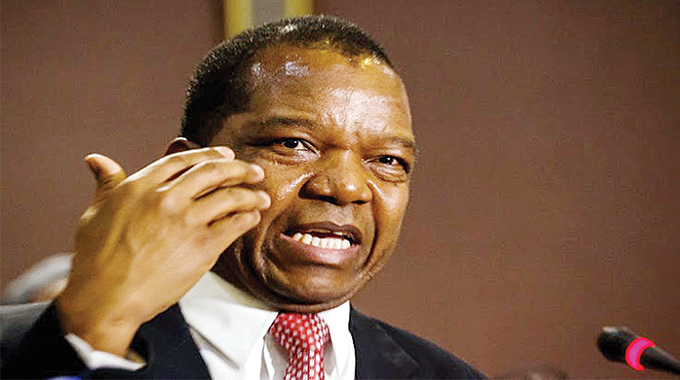
Oliver Kazunga , Senior Business Reporter
THE local manufacturing sector is the biggest beneficiary of the weekly Foreign Currency Auction Trading System as the growth in capacity utilisation has resulted in dominance of local products in the retail space, the Reserve Bank of Zimbabwe (RBZ) has said.
The improved access to foreign exchange, coupled with on-going economic reforms and fiscal support measures by the Government, have excited industry leaders who have confirmed positive impact on their operations.
In his Mid-Term Monetary Policy Statement issued last Thursday, RBZ Governor Dr John Mangudya said the auction system has since its inception, allocated close to US$325 million towards capital spending by businesses.
To date, the action platform has availed US$1,7 billion with the bulk (43 percent) of the resources having been channelled towards raw material procurement as at July 27, 2021.
Data from the RBZ also indicates that 19 percent of the foreign currency allotted at the auction has gone towards machinery and equipment procurement, consumables (10 percent), retail and distribution (eight percent), services (seven percent), medicals and chemicals (seven percent) while fuel, electricity and gas have received six percent.
“Ramping up of production has also been necessitated by the increase in investment, given that the foreign exchange auctions have so far outlaid around US$325 million, which has been utilised by businesses to capitalise their operations,” said Dr Mangudya.
“Similarly, the response by the country’s manufacturing sector to the Foreign Exchange Auction System has been quite encouraging with 65-70 percent of products in the retail sector now being produced locally, a significant leap in import substitution.”
The Government has embraced the Local Content policy in order to cut down on imports, promote new jobs and support the growth of new industries.
Zimbabwe is also expected to experience rapid economic growth following the adoption of the two key policies, the Zimbabwe National Industrial Development Policy (ZNIDP) and the Zimbabwe Local Content Strategy (2019-2023).
Meanwhile, the Government has projected a 7,8 percent economic growth target this year largely underpinned by fundamentals such as the country’s success in taming inflationary pressures, which has created a conducive fiscal and monetary environment.
Latest official statistics have shown a significant decline in annual inflation from 837,5 percent in July 2020 to 106,6 percent in June 2021.
For last month, Zimstat reported that the July year-on-year inflation had slid to 56,37 percent and 2,56 percent month-on-month.
The Government has attributed the positive gains to prudent policy interventions, coupled with smooth operation of the Foreign Exchange Auction System, resurgent commodity prices and the bumper harvest realised this year. — @okazunga.


 Online Reporter