malvernmugadzikwa
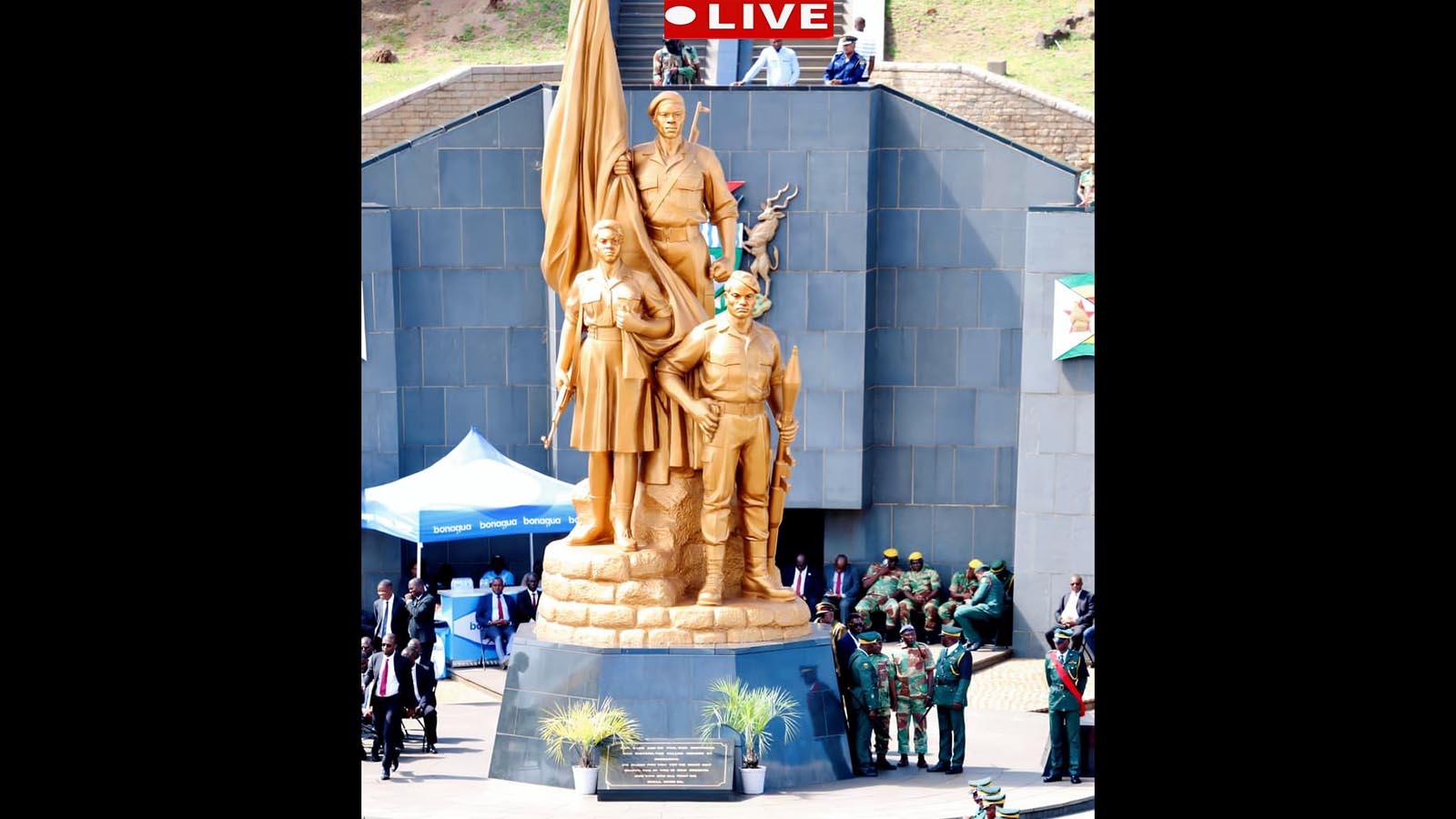
YOUNG women were among the legion of liberation fighters who were determined to fight for the country’s independence. One such female cadre, CDE CHIPO MARIWO, tells our Political Editor KUDA BWITITI how she had to overcome an ailment to join the liberation struggle.
***************************
Q: Please give us a brief background about yourself.
A: My name is Chipo Mariwo. I was born on October 10, 1956, in Mutoko, where I grew up. I attended Nyamakosi Primary School up to Grade Five. I grew up during the time of racial segregation. I regularly encountered ill-treatment under the Rhodesian government.

Q: Can you describe some of the ill-treatment you experienced under the colonial government.
A: We used to live in a Keep, where our movements were restricted. On several occasions, Ian Smith’s soldiers randomly beat up people for no reason at all. My father was once beaten up badly and left for dead. I was once assaulted severely with the barrel of a gun on suspicion I was taking food to comrades in the bush. The beating was so severe that my neck was injured, and I was not able to turn my head for a while. To this day, I am not able to move my neck properly as a result of that attack. This incident and the ill-treatment of my parents made me decide to join the liberation struggle.
Q: How did you join the liberation struggle?
A: I joined the liberation struggle sometime in late 1976. Those days, many young men and women of my age were going to Mozambique to join the war. When I first expressed interest in joining the war, many of my relatives tried to dissuade me, saying it was not wise to do so because I was a woman. My parents were against the idea because they wished to see me get married and live what they deemed a “straightforward life”. However, many women were also joining the war during that time, and I decided to follow my heart.
On the day that I joined the war, I was not feeling well. I had a bad headache and my whole body was in pain. I had gone for two days without eating and was feeling very weak. However, this did not deter me from going to a base near All Souls Mission, where those who intended to join the war were recruited.
Q: Did your illness not affect your intentions?
A: I was determined to fight for my country. I was so sick that even when I arrived at the base, the comrades noticed my condition and asked me if I was certain that I wanted to join the war in that state. I told them I was not going back on my wish, and they gave me some treatment. After two days, I fully recovered and joined others on the journey to Mozambique.
Q: Please describe your journey to Mozambique.
A: To get to the border, we walked for several hours and crossed into Mozambique using what we called Bhinya Road. We then got to a place called Pamabanana and from there proceeded to a base called Guru in Mozambique. At Guru, we had comrades who were welcoming recruited cadres. We then moved to a base called Changara, which belonged to Frelimo cadres. From Changara, we moved to Tete or Bataliao. From there, we proceeded to Tembwe. At Tembwe, we stayed for several months until 1977. It was then decided that those who needed to further their education could do so at Mavhudzi, where there was a special school that provided primary and secondary education for comrades.
I had been educated up to Grade 5 back home, so at Mavhudzi, I was able to complete Grade 6 and Grade 7. We used to do two grades in one year under that special programme. While the education part was important, I was itching to get military training to join the war.
So, I conspired with some colleagues to leave Mavhudzi to go to Maroro Base to get military training in 1978.
Q: Tell us about the training at Maroro.
A: We trained for six months. The training started with political orientation, followed by physical training. We also learned military tactics such as the cover-and-crawl. It was not easy at all. The training was so difficult that some quit and returned home. When we were doing the cover-and-crawl, we would do the drills, even in places filled with thorns. We also learned to handle different types of ammunition. There was a ranch where we would practise target shooting.
Next week, Cde Mariwo will talk about the role she played at the war front.


 Online Reporter