Online Reporter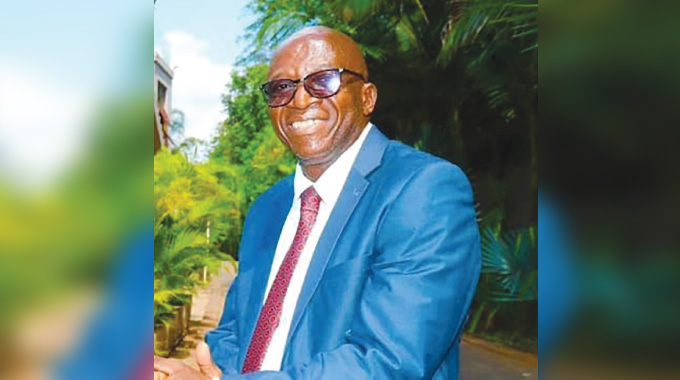
Gibson Mhaka, [email protected]
MAPHISA Growth Point in Matobo District is poised for a major economic transformation as the Government accelerates infrastructure development and service training ahead of the 46th Independence Day celebrations, a move specifically designed to catalyse rural tourism growth and unlock the region’s untapped heritage potential.
The initiative, which aligns with President Mnangagwa’s devolution agenda of “leaving no one and no place behind,” has triggered a surge in private sector investment and a renewed focus on rural tourism.
Permanent Secretary in the Ministry of Tourism and Hospitality Industry, Dr Takaruza Munyanyiwa, said the ministry is implementing initiatives aimed at leaving a lasting tourism legacy for the local community.
“The ministry is spearheading accommodation development projects that will strengthen rural tourism in the host province,” said Dr Munyanyiwa.

“As part of this effort, the ministry has undertaken the construction of 10 traditional rondavels in Maphisa. These facilities will provide quality accommodation for delegates while adding to the area’s long-term tourism infrastructure.”
The rondavels are designed to reflect authentic Zimbabwean heritage and will remain permanent assets.
To stimulate the local economy, Dr Munyanyiwa noted that local suppliers in Maphisa are being prioritised for the sourcing of furniture.
A comprehensive assessment by the Zimbabwe Tourism Authority (ZTA) revealed that while Bulawayo has 2 196 rooms, Maphisa has 138.
Efforts are now underway to recruit additional home stays to increase capacity.

To ensure world-class standards, the ministry is rolling out service excellence training. Sessions are scheduled for Gwanda and Bulawayo this week, with Matobo and Maphisa following in March.“The initiative aims to equip local operators, homestay hosts and tourism stakeholders with the skills needed to deliver world-class service and create memorable tourist experiences,” he said.
Dr Munyanyiwa further stated that the celebrations are a strategic opportunity to unlock the tourism potential of Matabeleland South.
“These developments reflect growing investor confidence in rural tourism and demonstrate how national events can catalyse infrastructure growth and community participation in previously under-served areas,” he said.
The private sector has responded strongly to the Government’s lead, with significant private investment now playing a pivotal role in expanding the region’s accommodation capacity.
Mr Denny Ncube of Antelope Lodge, located two kilometres from Maphisa, is constructing 50 villas, which are 90 percent complete.
He said the national celebrations have unlocked vital opportunities for collaboration with local suppliers, fostering a sense of excitement within the community.
“The Government’s decision showed a clear commitment to the area’s development, and we recognised a significant opportunity to grow our business.
“Consequently, we have accelerated our villa construction to meet the expected influx of visitors,” Mr Ncube said.
“We are planning to market Maphisa as a ‘hidden gem,’ highlighting its natural beauty, cultural heritage, and adventure activities. To attract tourists, we will offer specialised packages and promotions while working closely with local operators to create memorable experiences.”
Mr Ncube further noted that the upcoming celebrations have opened new doors for collaboration with local suppliers, a prospect he finds particularly exciting.
“We have partnered with local farmers, artisans and guides, creating genuine opportunities for mutual growth.
“However, to sustain this momentum, we need continued support in infrastructure development, specifically regarding road improvements and internet connectivity.
“We are proud to be part of this transformation and look forward to welcoming visitors to Maphisa,” he added.
Another investor, Mr Thomas Gwatida, who serves as the Zimbabwe National Chamber of Commerce (ZNCC) chairman for the Matabeleland Region, is completing eight villas comprising 25 rooms.
He said the national event has provided “life and hope” to the local hospitality industry.
“It is a sign of good faith to invest when you know there is already a guaranteed market. Matabeleland South is renowned for its rich tourism culture and attractions, driven by established zones like the Matobo Hills.
“Because of this, I foresee a bright future for tourism, especially given our proximity to the Matobo heritage site, the provincial capital of Gwanda, and the borders of Botswana and South Africa,” Mr Gwatida said.
He further emphasised that President Mnangagwa’s philosophy of “leaving no one and no place behind” is of paramount importance to the region’s development.
“Everyone now feels included, which creates the confidence necessary for major projects like rural industrialisation.
“To sustain this, we request more land and funding to support investors who recognise the vast opportunities across all sectors in Matabeleland South.
“We expect a transformed province, inspired by NDS2 as we work toward the national vision of an upper-middle-income economy,” he added.
Dr Munyanyiwa said the ministry has also received new lodge development applications from Flowel BnB, Hlanani Properties and Umthombo Wemvelo BnB.
Beyond the hospitality sector, the district is undergoing a massive facelift as part of a broader “Independence Legacy” project framework.
The Government has prioritised the rehabilitation of the Bulawayo-Maphisa and Gwanda-Maphisa roads, which are critical for regional connectivity and are expected to eventually extend to the Mphoengs border post to link Zimbabwe with Botswana.
Electrification programmes under the Rural Electrification Fund (REF) are targeting local clinics, schools, and business centres, ensuring that the infrastructure remains functional long after the national festivities.
Water security is also receiving attention through the rehabilitation of piped water schemes and boreholes to support local nutrition gardens and sanitation, cementing the 46th Independence Day as a catalyst for holistic rural industrialisation in Matabeleland South.