Online Reporter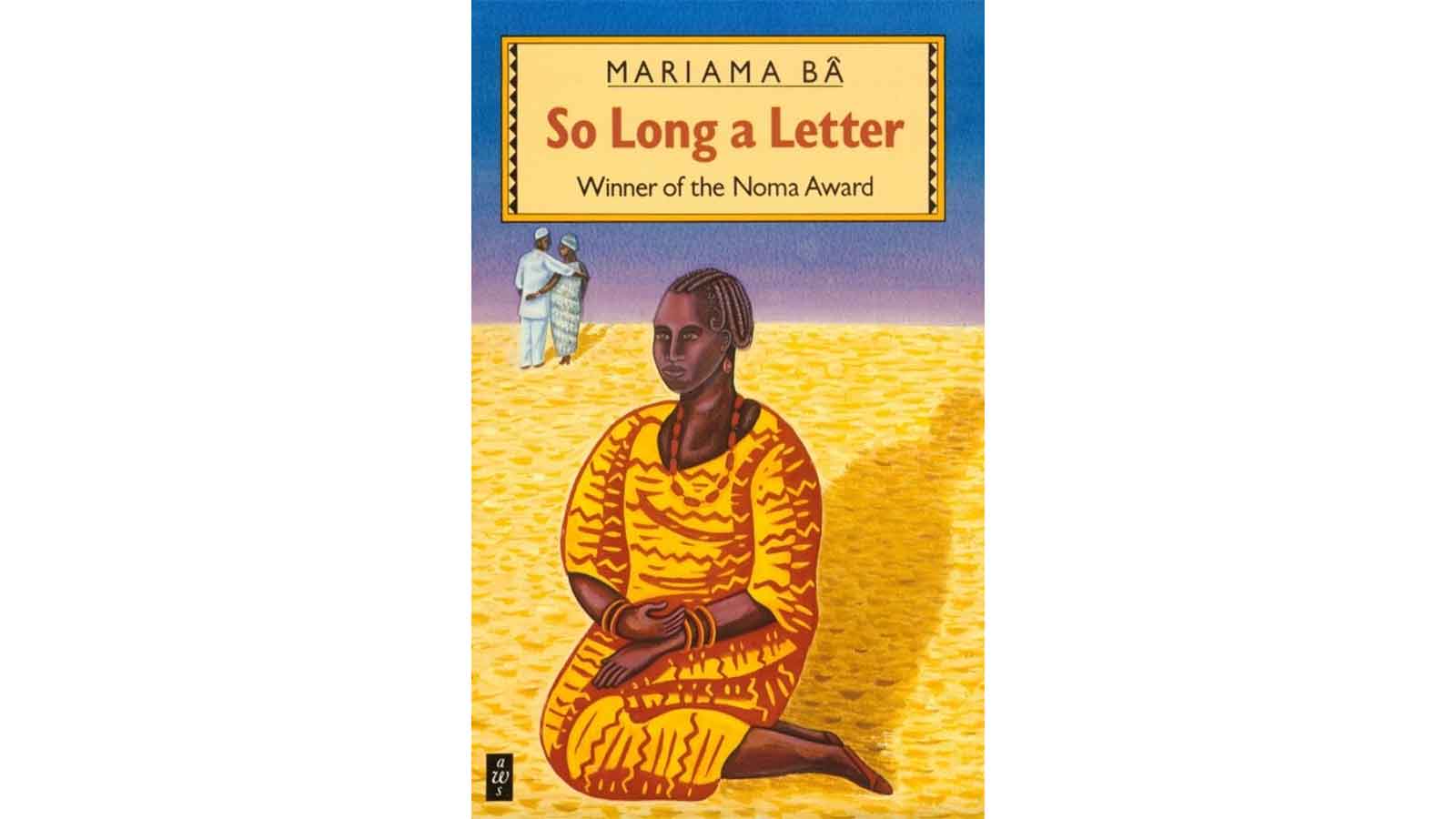
Elliot Ziwira-At the Bookstore
As Women’s Month unfolds, it is pertinent to interrogate how women attempt to escape lack and ignorance through the matrimonial route, only to find themselves ensnared in another form of confinement.
Matrimony, which promises refuge and fulfilment, often becomes a subtle prison, which does not merely scald, but slowly breaks.
At the centre of this paradox lies the very nature of womanhood, which exposes women to multiple layers of fear. In a largely patriarchal and increasingly cosmopolitan world, the responsibilities borne by mothers are heavy, often unacknowledged, and psychologically taxing.
These burdens breed anxiety, resulting in emotional and mental imprisonment. It is this invisible incarceration that women must strive to overcome, if at all possible.
Society, with its rigid norms and expectations, frequently thwarts individual aspirations. A woman, particularly a married one, is expected to conform to prescribed roles. Deviation invites stereotyping and ostracism.
Thus, as long as women cling to male ego as a supposed escape from poverty and insecurity, they remain doubly trapped; impoverished in agency and imprisoned in circumstance.
Paradoxically, society instils fear while demanding bravery. Cultural beliefs, often steeped in superstition, cultivate phobias even as rationality is expected to prevail. This contradiction forms the backdrop of Mariama Ba’s timeless novel, “So Long a Letter” (1981), in which she exposes the suffocating grip of culture on women.
Through a poignant and reflective narrative, Ba explores themes of neglect, betrayal and dashed hope. The novel employs modernist techniques; realism, the epistolary form and autobiographical undertones, to tell the story of a people caught between tradition and modernity. It is a narrative of yearning, where the past remains an anchor even as society claims to move forward.
Although cultural and religious expectations weigh on both men and women, men often navigate these constraints to their advantage. However, women bear the brunt, as systems remain skewed against them. This imbalance is embodied in the life of Ramatoulaye, the novel’s narrator.
The story unfolds through a long, introspective letter addressed to her friend Aissatou, now in the United States. Mourning the death of her husband, Modou Fall, Ramatoulaye retraces her life through fragmented memories.
The narrative structure, rich in suspense and reflection, invites the reader into her intimate world, where personal experience mirrors collective reality.
Ramatoulaye and Aissatou, bound by friendship and shared experiences, find their destinies intertwined with two men, Modou Fall and Mawdo, who are themselves friends.
After their education, the women become teachers, while the men pursue prestigious careers. Yet, despite their aspirations, both women are ensnared by cultural forces that undermine their autonomy.
Ramatoulaye marries Modou against her mother’s caution, drawn by love’s irresistible pull. Aissatou, equally enamoured, marries Mawdo, despite his mother’s disapproval rooted in class prejudice.
These unions, though founded on affection, are shadowed by familial and cultural resistance, foreshadowing eventual heartbreak.
Aissatou becomes the first casualty of this system. Her mother-in-law, Aunty Nabou, driven by rigid notions of lineage and pride, orchestrates her son’s second marriage. She raises her young namesake, Nabou, grooming her to replace Aissatou.
She tells her son: “My brother Farba has given you young Nabou to be your wife, to thank me for the worthy way in which I have brought her up. I will never get over it if you don’t take her as your wife. Shame kills faster than disease.”
Mawdo succumbs, citing filial duty over personal conviction: “My mother is old. The knocks and disappointments of life have weakened her heart. If I spurn this child, she will die.”
Faced with betrayal, Aissatou chooses liberation over subjugation. She leaves her marriage, taking her four sons with her, and rebuilds her life abroad. Her decision marks a bold assertion of agency, a refusal to remain imprisoned by cultural dictates.
In contrast, Ramatoulaye’s ordeal unfolds differently. Modou, driven not by cultural obligation but by unchecked ego and desire, takes a second wife, Binetou, a friend of his daughter. His actions are justified under the guise of religious permissibility, yet they reveal a deeper moral failure.
Binetou is a product of circumstance. Pressured by poverty and maternal ambition, she abandons her education for material comfort. Modou lavishes her with wealth, a villa, cars, and financial security, while neglecting his wife of 25 years and 12 children.
For five years, Ramatoulaye endures abandonment, raising 12 children alone.
Unlike Aissatou, she remains tethered to the emotional bonds of her marriage. Her imprisonment is not enforced by chains, but by love, memory and societal expectation. Even in her pain, she cannot sever ties with her past.
Following Modou’s death, Ramatoulaye begins to reclaim her voice. She rejects proposals rooted in custom, including the expectation to marry her late husband’s elder brother. She also turns down young and old suitors, including the venerable doctor and politician Daouda Dieng, motivated by convenience rather than genuine affection.
For her, marriage must be anchored in love, not obligation. She scoffs at her mother’s belief that: “a woman must marry the man who loves her, but never the one she loves; that is the secret of lasting happiness.”
As she withers inside, Ramatoulaye wonders: “Madness or weakness? Heartless or irresistible love? What inner torment led Modou Fall to marry Binetou?”
Her reflections reveal a deeper struggle; an attempt to reconcile personal desire with societal dictates.
She questions the nature of love, betrayal and human frailty, yet finds no definitive answers.
Her journey highlights the complexity of womanhood, where strength and vulnerability coexist.
Ba also exposes the complicity of women within oppressive systems. Figures such as Aunty Nabou and Binetou and her mother, Lady Mother-in-Law, perpetuate the patriarchal structures that diminish them.
In their pursuit of control or survival, they become both victims and perpetrators, reducing other women to prey.
The Ramatoulaye’s tale interacts and merges with all the other stories that capture the essence of womanhood, motherhood and widowhood; Aissatou’s, Binetou’s, Jacqueline’s and Aunty Nabou’s.
Binetou’s fate illustrates the fleeting nature of material gain. After Modou’s death, the illusion of wealth collapses. The villa is repossessed, and she returns to the poverty she sought to escape. Her story is a cautionary tale of ambition untethered from empowerment.
Motherhood further complicates Ramatoulaye’s existence.
Raising children in a rapidly changing world presents new challenges. She grapples with generational shifts, moral dilemmas and personal disappointments: from rebellious daughters to unforeseen crises.
She chances on her three teenage girls smoking in their bedroom and her heart bleeds.
As she struggles to come to terms with the discovery, her two last boys are injured while playing soccer in the street; and to compound it all, her sweet and supportive daughter Aissatou, who is also in secondary school, falls pregnant.
These experiences deepen her understanding of the burdens women often carry in silence.
Yet beyond the personal, Ba’s narrative speaks to broader African realities, where modernity and tradition remain locked in uneasy coexistence.
Education, which should emancipate, often collides with entrenched customs.
Religion, meant to guide, is sometimes manipulated to justify inequity. In this tension, women stand at the crossroads, negotiating identities that are constantly under siege.
Therefore, Ramatoulaye’s quiet determination becomes an act of defiance. Her refusal to remarry without love, her commitment to her children, and her introspective honesty signal a subtle, yet profound resistance.
It is not always in grand gestures that liberation is found, but in the everyday decisions to endure, reflect and redefine self-worth.
“So Long a Letter” transcends its narrative to become a meditation on womanhood itself.
Through Ramatoulaye’s voice, Ba captures the enduring struggle of women navigating a world that habitually disregards their pain. It is a story of resilience, introspection and the quiet pursuit of freedom.
In examining the lives of Ramatoulaye, Aissatou, Binetou and others, the novel reveals the many faces of imprisonment, be they cultural, emotional or economic. Yet, within these constraints lies the possibility of liberation, however fragile.
This Women’s Month, therefore, humankind is jolted to the fact that the journey towards emancipation is ongoing.
It demands not only structural change, but also a reimagining of values, where women are not defined by their relationships, but by their humanity.
• For an immersive reading experience, visit the Typocrafters (DigiHub) retail shop at Herald House, corner George Silundika Avenue and Sam Nujoma Street in Harare.