admin
admin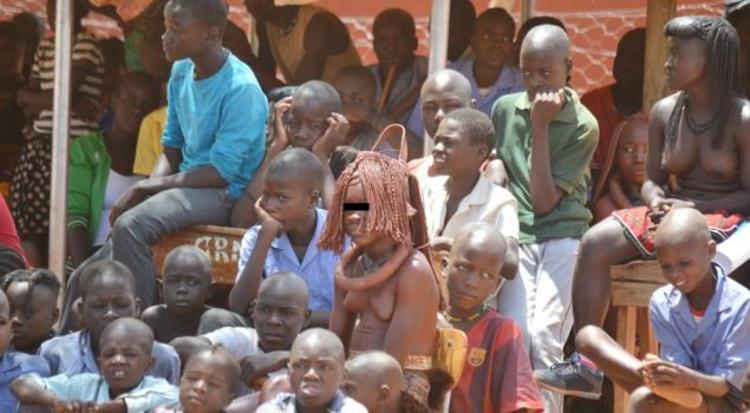
A 14-year-old Grade 4 Himba girl in Namibia has been disowned by her parents since making a decision two years ago to divorce the elderly husband she was married off to while she was an infant, and is now determined to pursue her education to become a nurse one day.
Zetera Kaperi was married off to an elderly man at the age of five as is the tradition amongst the OvaHimba and OvaZemba, and divorced her husband at age 12 when she started advancing in her primary education at Omuhonga Primary School in the Kunene Region.
When she broke her arranged marriage two years ago, she also severed her relationship with her parents vowing to give her unwavering attention to her education, and started living with considerate community members during holidays, who also allowed her to stay at school.
“I decided to get educated so that one day I can become a nurse and that is why I decided to get away from the marriage and commit myself to education,” Kaperi said.
Before she decided to break her traditional marriage, her husband usually collected her from school to cook for him, look after their livestock and take care of the house. Kaperi’s role at that age also included making leather garments and preparing traditional lotion for her husband.
Children of OvaZemba and OvaHimba communities in Kunene Region are still denied their constitutional rights by their biological parents and “chosen” husbands who prevent them from attending school.
Girls are the most affected as they are married off while still babies or toddlers, and as they reach the pre-teens are expected to take up the role of caring for their husbands and herding goats.
They do not have sexual relationships with their elderly husbands until they are teenagers.
Depending on the girl’s development, she can start engaging in sex and bearing children between the ages of 15 and 17.
Kaperi’s decision to stay away from her husband was influenced by her Life Skills teacher, who’s now turned into an education-first activist to raise awareness among the community on the importance of schooling amongst children.
A senior OvaHimba traditional authority leader in Omuhonga, Chief Kamusora Ngombe, lamented the fact that people in his community are, as described worldwide, “left behind” and stressed the significance of education.
“The husbands of those that are married sometimes come to get them from school to look after them and their livestock. Children need to get knowledge so that they can deliver us from backwardness and ignorance,” said Chief Ngombe.
The chief noted that some people in his community were stubborn and unlikely to listen to the ideas of other locals, but are likely to be influenced by people from other tribes from other areas.
Gabriel Kapika, a school board member of Omuhonga Primary School, berated some school board members and traditional leaders who campaigned for development of the community school, but prevented their own children from attending school.
“A person is a school board member who is encouraging other community members to take their children to school, but their children are still getting married young and are not in school,” said Kapika. — Informante.


 Online Reporter