Fungai Lupande
Mashonaland Central Bureau
Children living with HIV remain a major gap in Mashonaland Central’s HIV treatment programme, with health officials calling for intensified community engagement to ensure they access life-saving antiretroviral therapy (ART).
Ministry of Health and Child Care official Mr Kisto Chikurira said that while the country had made significant progress in controlling HIV among adults, more targeted efforts were needed to reach vulnerable groups, particularly children and adolescents.
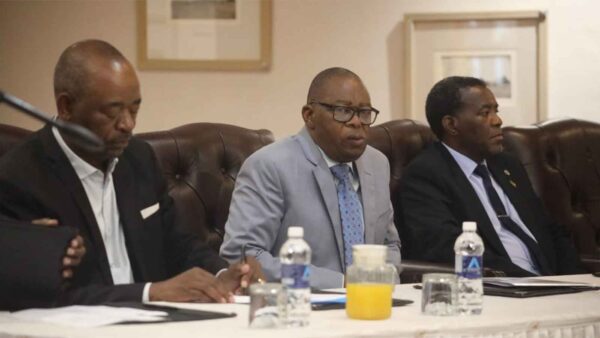
Speaking during an engagement with chiefs and other stakeholders at Mount Pavilia in Mazowe, Mr Chikurira urged traditional leaders, parents, health workers and communities to strengthen local interventions to ensure children living with HIV are identified, tested and promptly initiated on treatment.
He said the fight against HIV required collective responsibility, with communities playing a critical role in closing gaps in prevention, testing and treatment.
Presenting provincial statistics, Mr Chikurira said Mashonaland Central had an estimated 103 663 people living with HIV, of whom approximately 98 000 were receiving treatment as at the end of July.
This represented 96 percent treatment coverage, reflecting progress towards the UNAIDS 95-95-95 targets.
However, he said the province still had to close gaps in treatment access, particularly among vulnerable populations, including adolescent girls and young women.
He said HIV incidence in the province had declined to approximately 0,3 percent, but sustained prevention efforts were necessary to maintain the gains.
Mr Chikurira also called for improved access to antenatal services, noting that only 71 percent of pregnant women were booking early for antenatal care, against the target of every pregnant woman booking before 12 weeks.
He said every individual should know their HIV status, adding that early diagnosis and treatment were essential in preventing complications and reducing further transmission.
“No single leader can tackle the HIV pandemic alone. That is why we emphasise the guidance we receive from leadership,” he said.
Mr Chikurira called for stronger collaboration between traditional leaders, communities, Government departments and civil society organisations to ensure that HIV interventions reached everyone, including those who were often missed by existing programmes.
He said the country should also intensify HIV awareness among young people, warning that early sexual debut was exposing adolescents to the risk of HIV and other sexually transmitted infections.
He urged parents, particularly fathers and mothers, to overcome cultural discomfort and openly discuss HIV, relationships and reproductive health with their children.
“We must have family discussions. I ask parents: do you sit down at home and discuss HIV and relationships openly with your children?”
Mr Chikurira encouraged families to involve traditional family support structures, including vatete and vanasekuru, in guiding young people.
Meanwhile, National AIDS Council provincial programme officer Mr Liveson Chamboko said the national HIV response required sustained investment, effective coordination and community participation as Zimbabwe implements its HIV strategic plan towards 2030.
He said traditional leaders and other stakeholders had an important role to play in reducing stigma and discrimination against people living with HIV while addressing drug and substance abuse, which continued to expose communities to health and social vulnerabilities.
Mr Chamboko called for greater accountability in the use of resources allocated to HIV programmes, urging stakeholders to demonstrate how interventions were benefiting communities at grassroots level.
The engagement has brought together traditional leaders and stakeholders to review progress in the HIV response, identify implementation gaps and strengthen community participation in the fight against HIV and AIDS.