Walter Nyamukondiwa in HURUNGWE
WITH heads adorned in doeks and wrappers tied around their waists, women transformed Nyamhunga High School grounds in Hurungwe into a vibrant celebration of Zimbabwean culture.
Through First Lady Dr Auxillia Mnangagwa’s flagship Doek Drive, age-old customs were passed down, promoting cultural identity and encouraging women to uphold dignity, respect and family responsibility.
The doek became more than a piece of cloth as multitudes of people danced side by side, turning the Mashonaland West provincial launch of Culture and Heritage Ambassador Dr Mnangagwa’s flagship Doek Drive into a vibrant celebration of Zimbabwean culture, dignity and the passing of traditions between generations.
As with the launches in the other nine provinces, the Mashonaland West event attracted an overwhelming response, with the large turnout underscoring the programme’s growing national appeal.
The initiative has brought women together around a shared appreciation of Zimbabwean identity, while strengthening conversations on family, dignity and culture.
For many women, including those from different churches, the doek and zambia (wrapping cloth) carried a deeper meaning — honouring the legacy of mothers and grandmothers, while uniting women from diverse backgrounds.
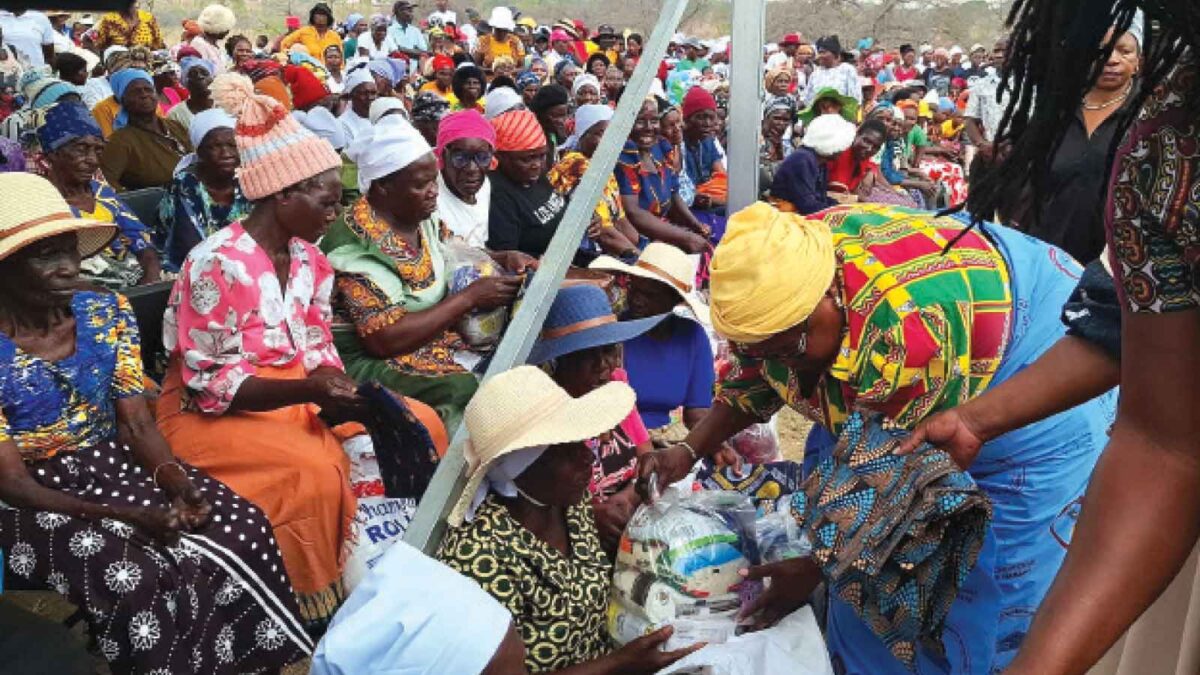
Elderly women received doeks, wrappers and innerwear, including petticoats. These and people with disabilities also received food hampers as a gesture of love and care, courtesy of the First Lady.
The elated women wasted no time putting the doeks and wrappers to use, swapping their hats and caps for doeks as the celebrations gathered pace.
The elderly women then took centre stage, demonstrating to younger women and girls how to wear the doek and carry themselves appropriately in different situations. For the girls watching, it was a lesson in culture, dignity and identity that could not be found in a classroom textbook.
One of the key highlights was a discussion on developing a distinctive Zimbabwean doek style that reflects the country’s cultural identity.
Women shared ideas on designs and patterns that could represent Zimbabwean womanhood, underscoring the Doek Drive’s broader mission of preserving cultural heritage and fostering ownership of national symbols.
Then came the music.
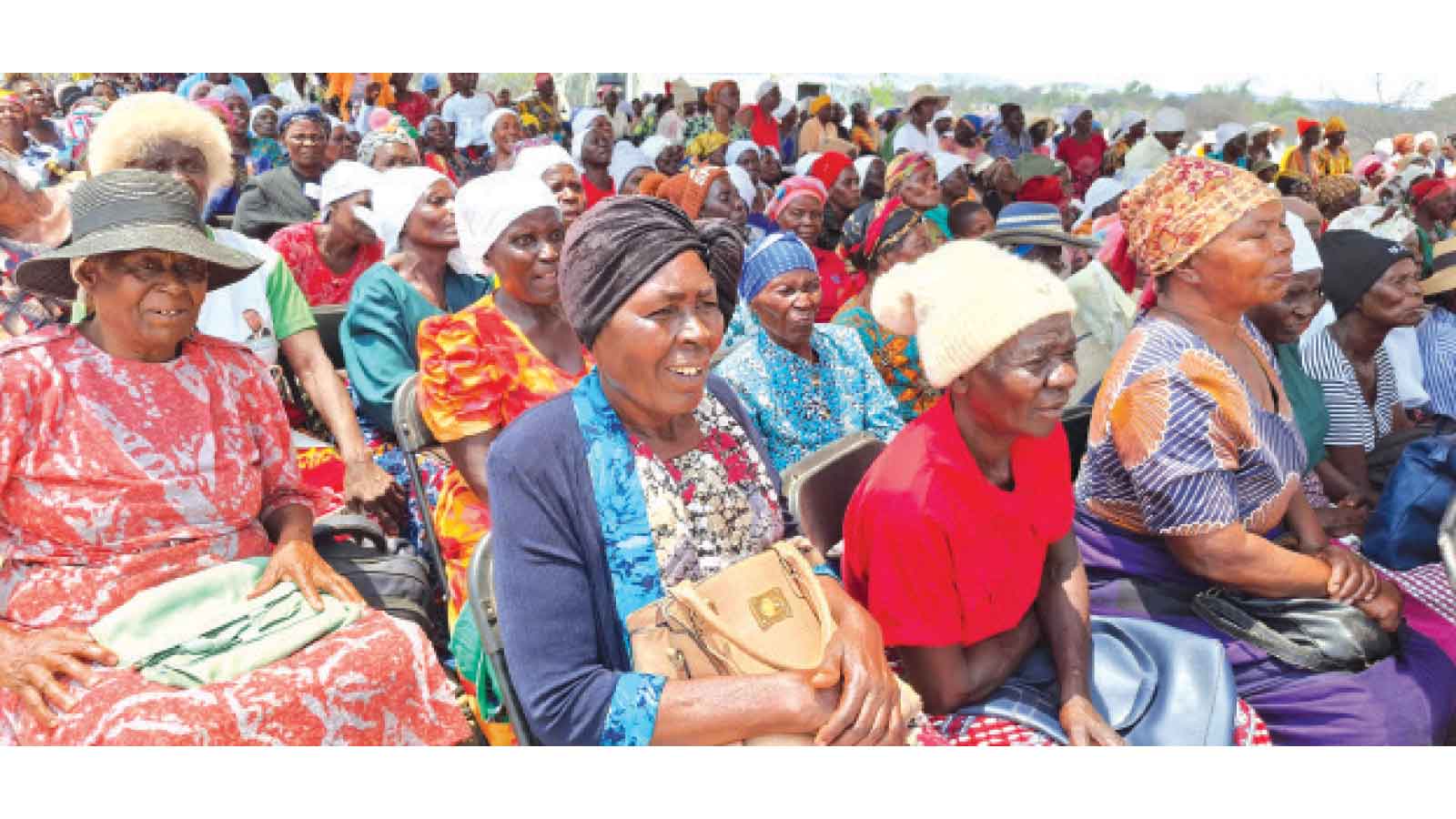
Korekore traditional dance groups brought the gathering to life with Chinyamusasure, performed on ordinary occasions; and Mangwingwindo, traditionally reserved for ceremonies such as inviting spirits or masvikiro.
Soon, the boundary between performers and spectators disappeared as the young and the old joined the dancing.
Mashonaland West Provincial Affairs and Devolution Minister Marian Chombo, who represented First Lady Dr Mnangagwa, commended the women and girls who had embraced the doek, saying the initiative went beyond distributing clothing items.
“The Doek Drive is important because it helps preserve and pass on the cultural norms and values that have guided our elders,” she said.
Minister Chombo said Zimbabwe’s future depended on how well society protected and nurtured its children, particularly the girl child.
“If we want Zimbabwe to succeed, we must protect and nurture our children, especially the girl child, so they grow into healthy, educated and independent citizens,” she said.
Minister Chombo urged parents and communities to ensure girls had the basic necessities required for school and personal dignity.
“Girls need the basic necessities to attend school and maintain their dignity. We must never allow a lack of these essentials to drive them away from their culture or into harmful practices such as prostitution. There is no excuse,” she said.
The minister said the initiative complemented the country’s Vision 2030 development agenda and President Mnangagwa’s mantra of leaving no one and no place behind. Minister Chombo also implored teachers to continue embracing their role as parents and urged communities to examine their own contribution to keeping children in school.
“As parents, are we doing enough to ensure that our children stay in school?” she asked.
Hurungwe West legislator Cde Chinjai Kambuzuma hailed Dr Mnangagwa for spearheading what she described as a social reset, bringing neglected cultural practices back into the public consciousness.
For the elderly women, the event meant far more than just lively dancing.
They said initiatives such as the Doek Drive and Gota/Nhanga were helping to reconnect families with traditions they believe once provided a strong moral foundation for society. Gogo Alice Machona thanked Dr Mnangagwa for reviving cultural practices that brought generations together.
“We thank our First Lady for initiatives that remind both the elderly and children of the cultural norms and values that shaped earlier generations,” she said.
Gogo Machona blamed the erosion of traditional values for some of the social problems facing families today.
“Many challenges we see today, including failed marriages and strained relationships between daughters-in-law and mothers-in-law, stem from changing family roles and the loss of respect for elders,” she said.
The elderly women said some children had become increasingly difficult to control but expressed hope that programmes addressing such challenges could help rebuild families and restore respect between generations. Younger women, however, said embracing tradition did not mean abandoning modernity.
Ms Tashinga Ruswa, representing the younger generation, said young women were finding ways to incorporate the doek and wrapper into contemporary fashion.
“We are embracing our culture by covering our heads with doeks and wrapping zambias around our waists, while remaining stylish and modern,” she said.
The elderly also used the gathering to highlight the challenges they face. Gogo Turuza raised concern over the labelling of elderly people as witches, urging society to reconnect with its roots and uphold traditions that promote social harmony. Amai Chipanda of Karambazungu, under Chief Nematombo, said people should not despise their traditions, arguing that they represented generations of accumulated wisdom. The celebrations were cut short when the rains came, sending the gathering scrambling for cover before many could pose for photographs.
But the message had already been delivered. Hurungwe hosted the final provincial launch of the Doek Drive, bringing to a close a campaign that has reached all the country’s provinces. As the dancers dispersed and the rains washed away the dust from the arena, one thing remained clear: The doek was never just about what was placed on the head. It had become a symbol of identity, dignity and a conversation between generations.