Online Reporter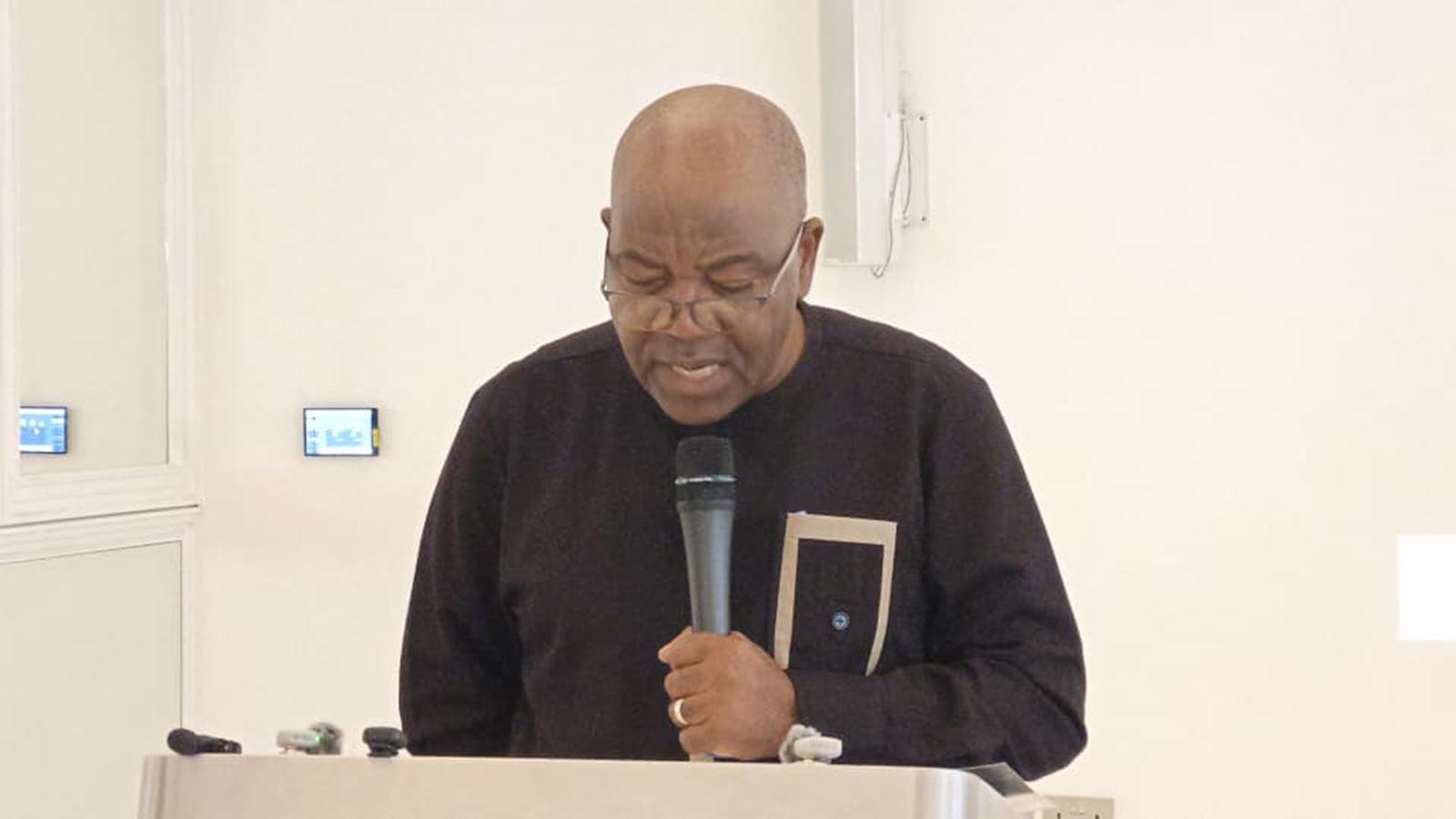
Ivan Zhakata
Herald Correspondent
The Forestry Commission increased tree planting to more than 27 million trees last year while reducing the area burnt by fires in gazetted forests by 68 percent as the parastatal stepped up efforts to improve its operations and financial performance.
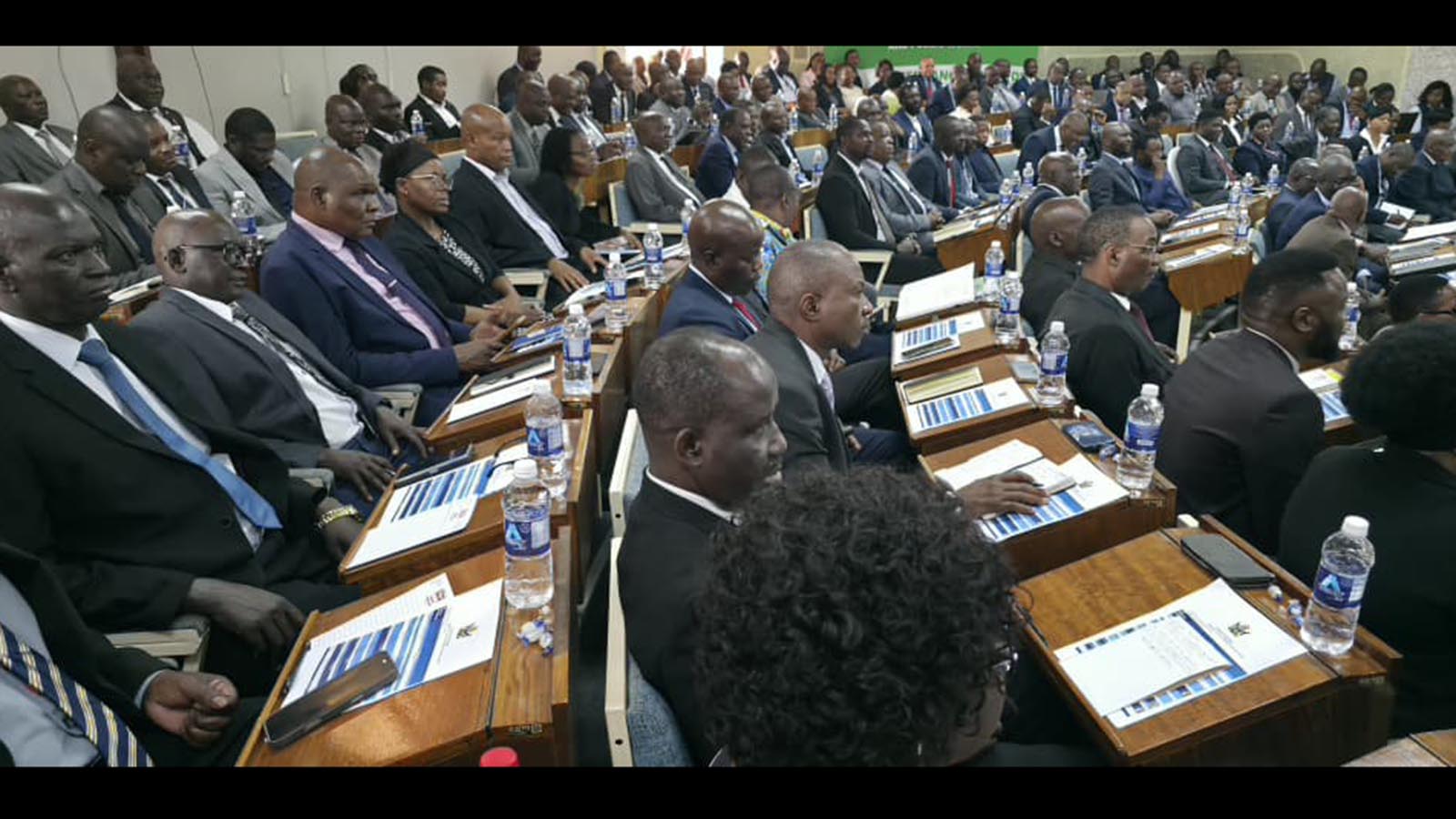
The developments were highlighted at the commission’s 7th Annual General Meeting held in Harare on Friday, where Environment, Climate and Wildlife Minister Dr Evelyn Ndlovu said the organisation has made significant progress in strengthening its governance and operations.
In a speech read on her behalf by the Ministry’s Director of Strategic Planning, Monitoring and Evaluation, Mr Momo Masoka, Minister Ndlovu said the commission has cleared its reporting backlog.
“I am encouraged that the Commission has now closed the reporting backlog of past years and is presenting its accounts on schedule — a real and welcome sign of institutional maturity,” she said.
Minister Ndlovu said the Commission has been recognised as the Most Improved Parastatal following the 2025 public-sector performance evaluation.
“Your efforts saw the Commission recognised as the Most Improved Parastatal following the 2025 public-sector performance evaluation, while salary arrears owed to staff were fully cleared, restoring morale and stability across the organisation,” she said.
Director-general Mr George Manyumwa said more than 27 million trees were planted across approximately 19 721 hectares against a target of 17 000 hectares.
“Average tree survival rate at assessed sites was 71 percent, reflecting improved post-planting management,” he said.
Mr Manyumwa said the commission has constructed 3 750km of strategic fire-management breaks and conducted 1 500 Forest Protection Unit patrols targeting illegal activities and poaching.
However, he said the national fire situation remained a major concern, with 985 314,73 hectares burnt countrywide against a maximum target of 500 000 hectares.
“The Forestry Commission is therefore working closely with EMA and all key stakeholders to strengthen an integrated approach to fire prevention, early warning, rapid response and law enforcement,” he said.
On the commission’s financial position, Mr Manyumwa said closing liquidity increased by 306,7 percent to ZWG25,7 million, while operating cash flow rose to ZWG25,9 million.
“Successful renegotiation and signing of strategic partnerships generated over US$3 million in combined income and savings,” he said.
Board chairperson Ambassador Mohamed Jassat said the commission has focused on governance, operational efficiency and commercial sustainability.
“The 2025 financial year was a period of consolidation, innovation and renewed commercial focus,” he said.
“Guided by the Public Entities Corporate Governance framework, the board has worked diligently with Management to strengthen governance, enhance operational efficiency and position the Commission for long-term sustainability.”
Ambassador Jassat said the board has reviewed and renegotiated legacy contracts to unlock value and improve returns.
The commission also commissioned a tissue culture laboratory at the Forest Research Centre and a 60 cubic-metre wood kiln at Foresthill in Lupane.
The tissue culture facility increased potential annual seedling production from between 5 000 and 20 000 to between 50 000 and 500 000 seedlings.
Ambassador Jassat said the wood kiln reduced timber drying time to between 14 and 21 days, compared with six months or more under conventional air drying.
The commission also acquired a DJI Matrice 400 RTK drone under the Global Environment Facility 7 project to strengthen forest monitoring and enforcement against illegal logging and charcoal production.
Minister Ndlovu said the commission continued to face challenges including non-remittance of the Afforestation Levy, outstanding lease payments, illegal forest encroachment, timber and wildlife poaching and infrastructure constraints.
She urged the commission to strengthen partnerships with Government, the private sector and international organisations while promoting value addition rather than the export of raw logs.
The commission is also working with the Zimbabwe Environmental Law Association, with funding from the Canadian Government, to develop Zimbabwe’s first National REDD+ Strategy, which is expected to provide a framework for accessing results-based international climate finance.