Online Reporter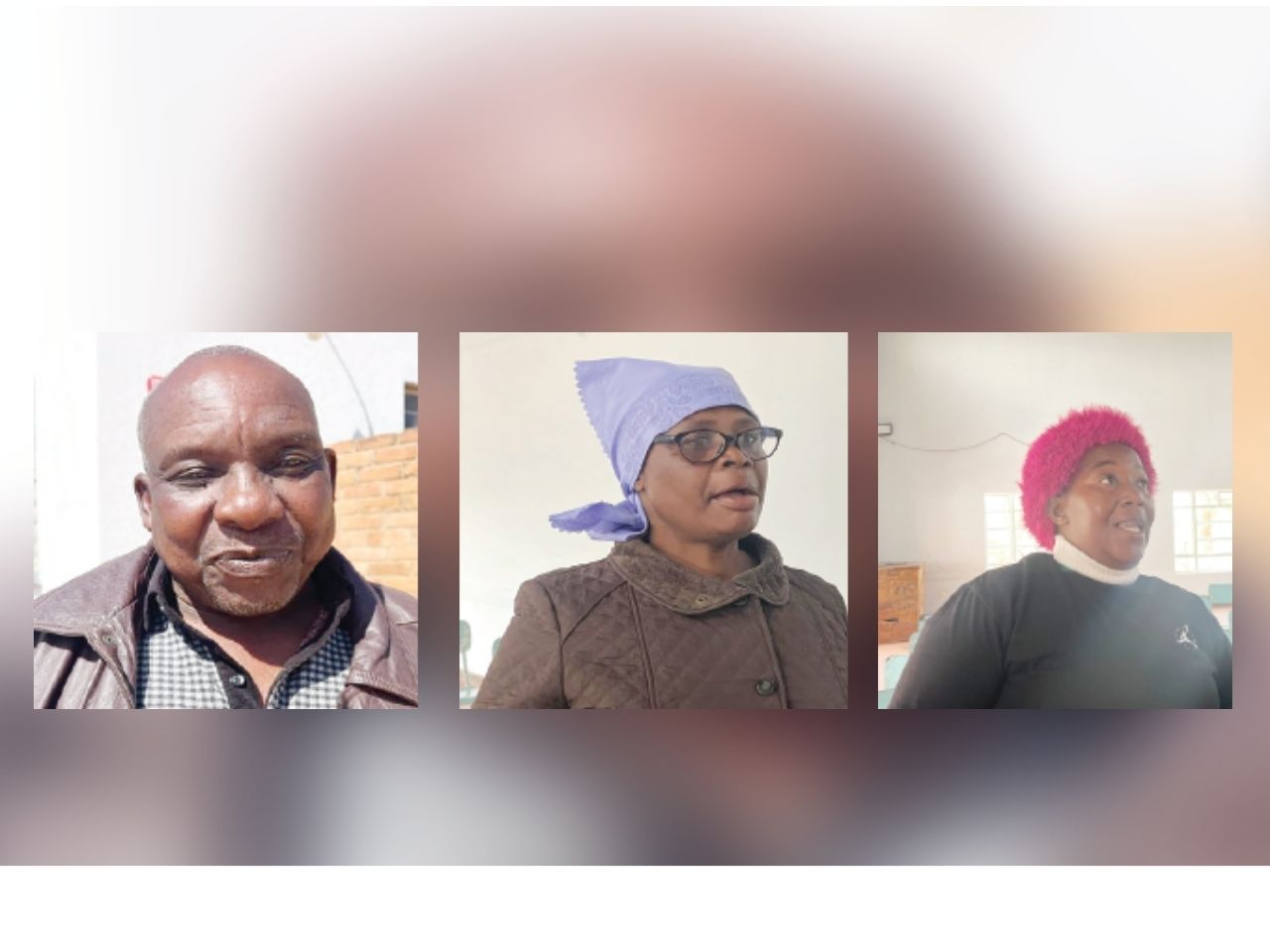
Sukulwenkosi Dube-Matutu [email protected]
MATABELELAND South residents have welcomed the proposed Whistle-Blowers and Witness Protection Bill, describing it as a crucial step towards encouraging the reporting of corruption and criminal activities without fear of victimisation.
Speaking during a public hearing jointly conducted in Gwanda by the Portfolio Committee on Justice, Legal and Parliamentary Affairs and the African Parliamentarians Network Against Corruption, participants said the proposed law would strengthen accountability and help tackle corruption by offering greater protection to whistle-blowers and witnesses.
A resident, Mr David Linda, said the Bill comes at a critical time when the country is battling the growing menace of drug and substance abuse. He said the legislation should include strong provisions compelling authorities who receive reports to maintain strict confidentiality.
“In the past there has been fear of reporting or being a witness because there hasn’t been full protection and limited secrecy.
“Many people are afraid to report corruption due to fear of victimisation. The lack of secrecy from authorities where we report cases expose witnesses to criminals. Police sometimes reveal whistle-blowers’ names to criminals.
Most of these criminals have legal representation, while witnesses are left exposed to victimisation and harm. This bill is what we need especially now that we are fighting drug and substance abuse, which is compromising development,” he said.
Gwanda resident Ms Sithembinkosi Gumbo said there was a need for multiple legal reporting channels to ensure adequate protection of whistle-blowers. She said relying on a single reporting platform could undermine the integrity of the system.
“As much as we want to be whistle-blowers, we face many barriers and intimidation. It often starts with the police, where we are not protected. We urge Parliament to establish multiple legal reporting channels where we will feel safe. This will help us to have confidence when reporting,” she said.
Ms Gumbo also called for public awareness campaigns on the proposed legislation to be extended to grassroots communities through local languages and accessible platforms such as radio and social media.
She said traditional leaders, councillors and other community leaders could play an important role in disseminating information and educating citizens about the Bill.
Another resident, Ms Sithabiso Gumbo, also supported the proposed legislation, saying it would help protect women who often face intimidation and victimisation when reporting wrongdoing.
She said situations where women report influential individuals, including senior public officials, may result in cases being dismissed or handled without due impartiality.
Ms Mary Mayimbo called for stronger protection for women in the workplace, arguing that corruption often begins during recruitment processes through so-called “carpet interviews”.
She said some male employers abuse their positions of authority by demanding inappropriate favours from prospective employees. Ms Mayimbo added that existing reporting barriers often discourage victims from escalating such cases to higher offices.
The Portfolio Committee on Justice, Legal and Parliamentary Affairs and the Executive of the African Parliamentarians Network Against Corruption conducted nationwide consultations on the
Whistle-Blowers and Witness Protection Bill (2026) from August 24 to August 28.
The consultations were aimed at gathering public views before the proposed legislation proceeds through the next stages of the legislative process. They provided citizens, organisations and other stakeholders with an opportunity to make oral and written submissions on the Bill.
The proposed legislation seeks to establish a legal framework for protecting whistle-blowers who disclose information relating to conduct that is harmful to the public interest, as well as witnesses whose cooperation is vital to criminal investigations and prosecutions.
At its core, the Bill is intended to encourage the reporting of corruption and other forms of wrongdoing without fear of retaliation.
The proposed law covers disclosures relating to corruption, bribery, fraud, abuse of office, misuse of public resources and other violations of the law.
It also provides safeguards against reprisals and occupational detriment, while requiring measures to protect the confidentiality and identities of whistle-blowers.
The Bill seeks to protect individuals who make disclosures in good faith and extends the proposed protection framework to both the public and private sectors.
— @DubeMatutu