

 Online Reporter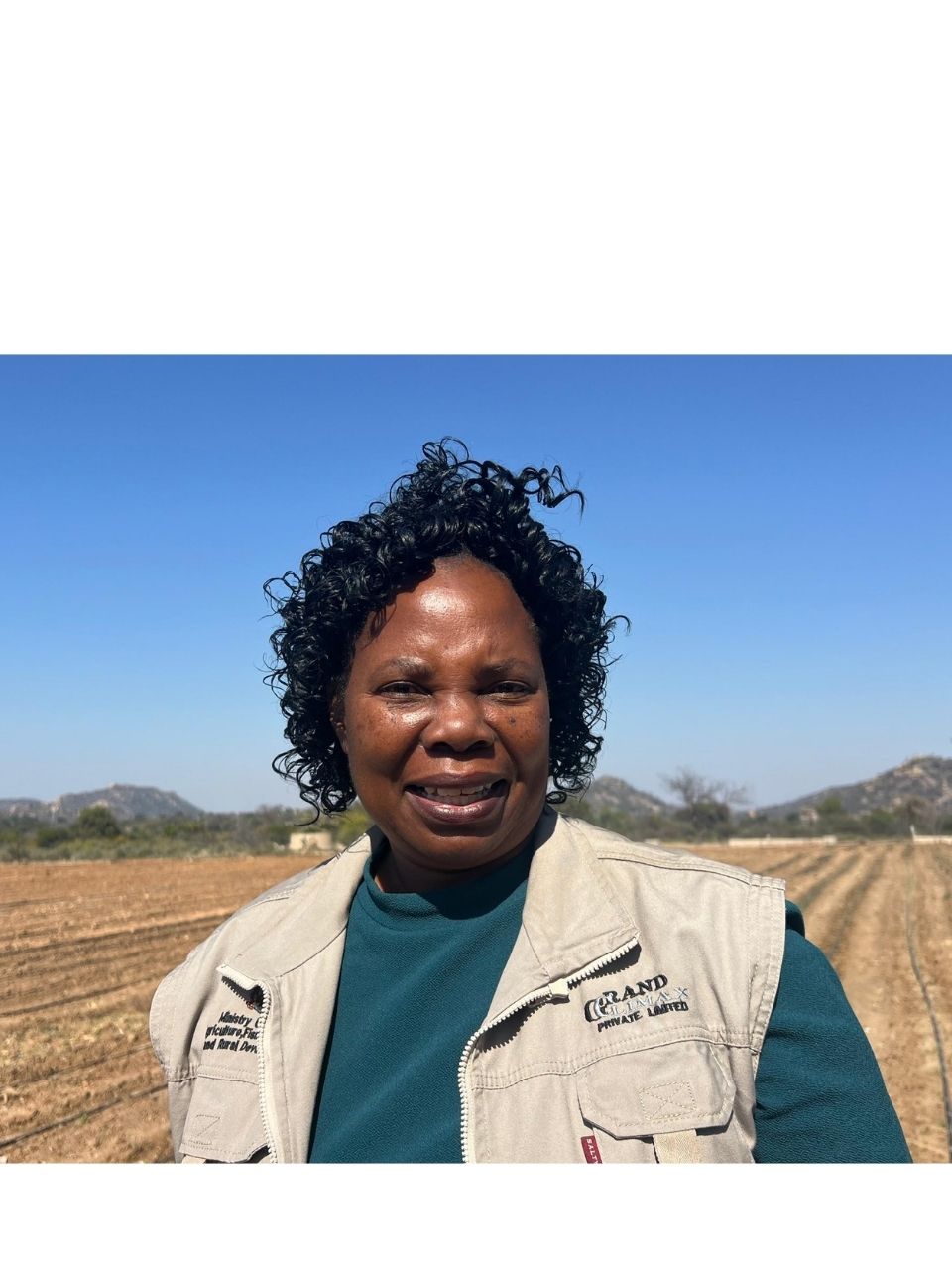
Sukulwenkosi Dube-Matutu [email protected]
THE Agricultural and Rural Development Advisory Services (Ardas) in Matabeleland South has intensified its campaign to encourage farmers to grow traditional grains and adopt climate-smart farming practices ahead of the 2026/27 summer cropping season amid forecasts of a high probability of an El Niño weather phenomenon.
The province, one of Zimbabwe’s driest regions, is encouraging farmers to plant drought-tolerant, short-season crop varieties that mature under erratic rainfall, as the Government ramps up preparations to safeguard food security and livestock production.
Ardas Matabeleland South provincial director Mrs Shupikai Sibanda said. At the same time, the adoption of traditional grains had improved in recent years; more work was needed to ensure all farmers embrace climate-resilient crops.
She said the department was implementing a broad range of drought mitigation measures, with water security remaining a top priority.
“Water security is a priority because we want to ensure that animals have an adequate water supply. The ministry is drilling boreholes and solarising boreholes in every village,” she said.
“This programme is also extended to dip tanks and grazing areas. Drought mitigation centres are also being established in every ward. De-silting of dams across the province is also underway to increase water holding capacity.”
Mrs Sibanda said drought mitigation task teams had been established from ward to provincial level to co-ordinate preparedness programmes and mobilise resources.
She said farmers were also being encouraged to increase fodder production to cushion livestock against possible drought.
“Farmers will be supported to plant drought-tolerant fodder crops such as lablab, velvet beans and forage sorghum. As a department, we have intensified training and education on fodder production so that farmers prioritise producing feed for their animals,” she said.
Mrs Sibanda noted that commercial stock feeds remain out of reach for many communal farmers, making on-farm fodder production a sustainable alternative.
“Hay baling is ongoing across the province and to date we have over 300,000 hay bales out of a target of 700,000 hay bales. We are also going to harvest wheat straw in every irrigation scheme to add to our stockpile,” she said.
She said more than 5,000 tonnes of silage had already been produced across farms in the province, while farmers had also received training in chopping and bagging maize stover and crop residues.
“We have also rolled out farmers’ indabas on season preparedness. Farmers are also being sensitised on traditional grains production and value addition,” she said.
Mrs Sibanda urged farmers to plant improved, high-yielding and short-season traditional grain varieties while taking advantage of partnerships that Ardas has facilitated with seed suppliers.
“As a department, we are facilitating partnerships with seed suppliers to ensure farmers access quality seed. We have also rolled out destocking campaigns where we are encouraging farmers to sell older, non-productive animals while prices are still good,” she said.
Agriculture, Mechanisation and Water Resources Development Permanent Secretary Professor Obert Jiri recently said Government had activated comprehensive measures to protect crop and livestock production following forecasts indicating about a 90 percent probability of an El Niño event developing during the 2026/27 rainy season.
The Meteorological Services Department (MSD) has projected an 88 to 94 percent probability of El Niño, although it cautioned that the forecasts remain preliminary. Historically, El Niño has been associated with a 65 percent likelihood of below-normal rainfall in Zimbabwe.
Professor Jiri said Government’s preparedness strategy is guided by 22 agricultural production enablers covering crop and livestock production, irrigation development, mechanisation, financing, agricultural insurance, cloud seeding, input distribution and marketing.
The strategy also promotes adherence to agro-ecological regions, expansion of irrigation, improved water harvesting, climate-smart agriculture, timely input distribution and wider adoption of traditional grains to strengthen national food security.
Matabeleland South has increasingly become a national leader in the production of small grains such as sorghum, pearl millet and finger millet, crops well suited to the province’s semi-arid conditions. Under the Second Republic, Government has intensified programmes promoting traditional grains as part of efforts to build climate resilience, improve household food security and reduce dependence on maize in drought-prone areas.
—@DubeMatutu



 Bongani Ndlovu