Sikhulekelani Moyo [email protected]
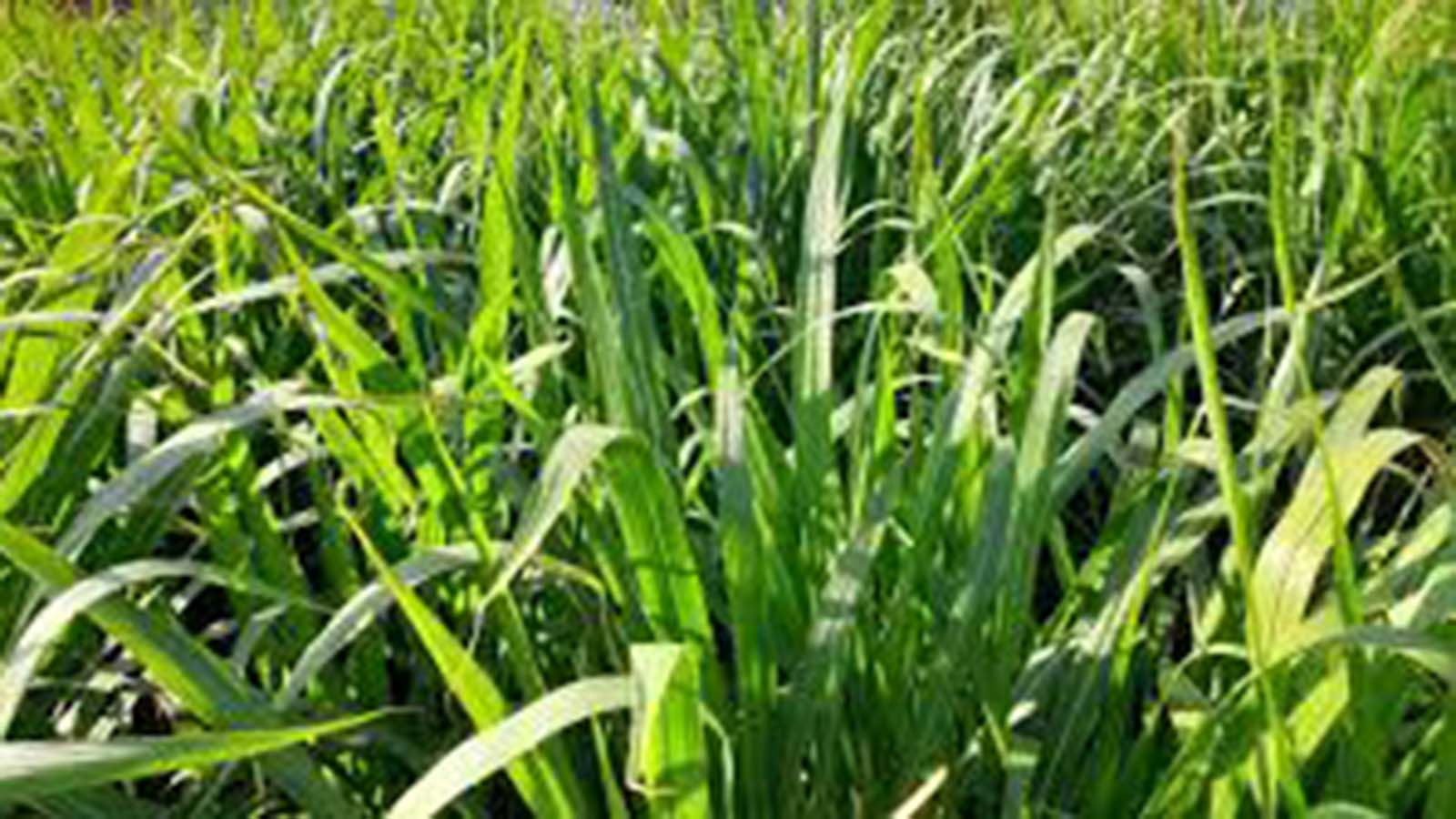
MATABELELAND livestock farmers are turning Chinese-origin Juncao grass into a lucrative business, with growing interest in the fast-growing fodder crop offering a potential solution to feed shortages in one of Zimbabwe’s drought-prone regions.
For some farmers, the grass is proving to be more than a source of livestock feed, with demand for planting material creating an additional income stream as farmers seek affordable ways of maintaining their herds during periods of poor rainfall.
Juncao is a fast-growing hybrid forage and multi-purpose crop developed in China.
The name combines jun, meaning fungus, and cao, meaning grass, reflecting its original use as a substrate for mushroom production.
The crop is also used as high-protein livestock feed, for hay and silage production, as well as in soil conservation and land rehabilitation.
Cattle farmer, Mr Obert Chinamo, said he sold slightly more than 30 000 Juncao cuttings between April and the time of writing, after establishing his seed bed in December last year.
“I have already established a seed bed. I planted my seed bed on 18 December 2025 and it turned out to be gold. I should have planted a lot more,” he said.
Mr Chinamo said Juncao is ideal for livestock feeding, silage and hay. He said the grass had high nutritional value and could help farmers reduce dependence on commercial feed.
“Nutritional value is over 18 percent and very good energy content. The best grass for any livestock today. You need water for establishing only,” he said.
The growing interest in Juncao comes as livestock farmers face rising feed costs and increasing pressure to establish reliable fodder reserves.
For farmers in Matabeleland, where recurrent dry spells can severely affect grazing and livestock production, establishing drought-tolerant fodder crops provides a way of preparing for periods when natural pastures become scarce.
Farmers have consequently been encouraged to establish seed beds ahead of the 2026/27 rainy season, with fodder-production training being intensified to equip them with affordable methods of producing and preserving livestock feed.
The preparations come amid early climate models indicating an increased possibility of El Niño conditions, which could result in below-normal rainfall during the forthcoming summer cropping season.
Research officer at Matopo Research Institute Ms Obey Daga said Juncao was a fast-growing fodder crop propagated vegetatively and could provide substantial quantities of feed within a relatively short period.
“It can be harvested at least four times during the rainy season, giving a minimum of 300 tonnes fresh matter per hectare,” she said.
“It tillers very vigorously such that you can have an average of 15 tillers in six weeks. It has high protein levels than most fodder grasses with some reaching 16 percent during the active growing stage.”
Ms Daga said the crop could also be effectively processed into silage because of its high brix content.
Livestock expert Mr Addmore Chikohwa said the Chinese-origin grass had been developed initially for mushroom production before being introduced and tested in several African countries.
“Juncao grass originated in China and was first developed as a substrate for mushroom production, then later piloted in Africa, Kenya, South Africa and others,” he said.
The crop has similarities with other fodder varieties such as Napier grass, Bana grass and forage sorghums, with different Juncao species suited to varying climatic conditions.
In Zimbabwe, it is currently being multiplied at the Gwebi Varietal Testing and Characterisation Centre.
Mr Chikohwa said the grass had attracted farmers because of its protein content, which is important in beef and dairy production as well as sheep and goat rearing.
However, he warned farmers against treating Juncao as a replacement for all other fodder crops.
He recommended combining it with leguminous fodders such as lablab and velvet bean to improve the nutritional balance of livestock diets.
“It’s a very critical grass which, when grown under rain-fed agriculture, can be preserved and used at peak feed demand period, especially in the regions of less rainfall like Matabeleland,” he said.
“For farmers with irrigation, the grass can be grown throughout the year with termly harvests and preserved accordingly for all ruminants including rabbits.”
Beyond livestock feed, Juncao can also contribute to environmental conservation, particularly in controlling soil erosion and recycling nutrients.
Mr Chikohwa said farmers could plant the grass in waterways and incorporate it into circular farming systems, where spent mushroom substrate and other farm residues are returned to the soil as mulch.
He encouraged farmers to build a diversified fodder base incorporating Juncao alongside Bana grass, Katambora, Rhodes grass, forage sorghums, panicums and legumes such as lucerne, lablab, velvet bean, sunhemp and cowpeas.
Mr Chikohwa said farmers should also view agricultural waste as a potential input into another part of the farming system through value addition and recycling.
“No farm waste is waste but an input into another value farm chain. It’s as good as the current post-harvest processes. All residues should go through the livestock feed value chain after having been value-added through form change,” he said.
He urged farmers who could afford irrigation to supplement rainfall and begin establishing Juncao plantations during the coming season.