Online Reporter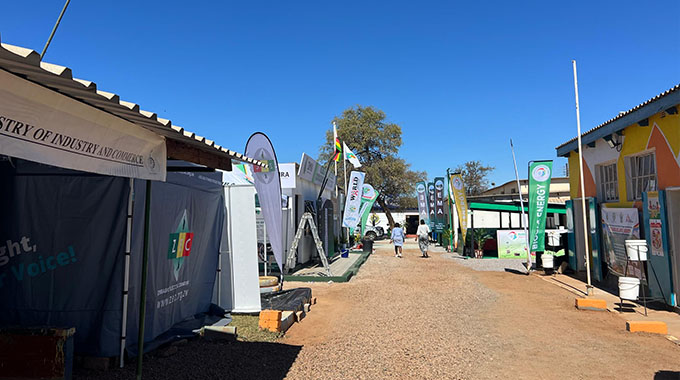
Sukulwenkosi Dube-Matutu [email protected]
THE 68th edition of the annual Matabeleland South Agricultural Show opened in Gwanda on Thursday, with farmers being encouraged to harness partnerships, innovation and market opportunities to expand their enterprises and build sustainable livelihoods.
Running until Saturday under the theme, “Unlocking New Opportunities through Collaboration”, the provincial agricultural showcase aims to connect farmers with markets, modern farming technologies, financial institutions, mining companies, manufacturers and other stakeholders across the agricultural value chain.
Minister of State for Matabeleland South Provincial Affairs and Devolution Albert Nguluvhe is expected to officially open the show tomorrow.
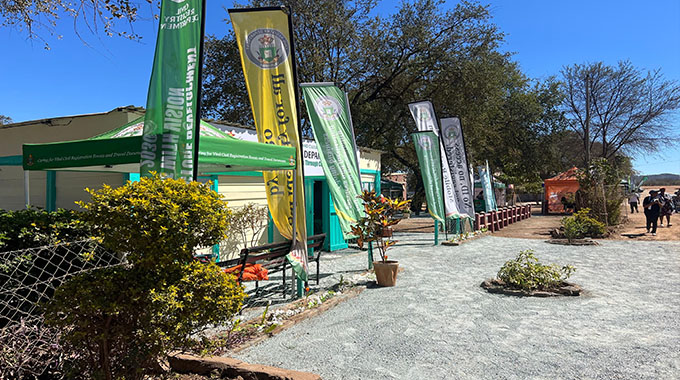
The exhibition has attracted a diverse range of participants, including crop and livestock farmers, Government ministries and departments, parastatals, seed companies, non-governmental organisations, uniformed forces, funeral service providers and other exhibitors.
Matabeleland South Agricultural Show Society president Ms Sheron Dewa said the response from exhibitors and farmers had been encouraging, with a number of new exhibitors participating in this year’s event.
She said the emphasis on collaboration was intended to facilitate strategic partnerships capable of generating tangible business opportunities for farmers and other stakeholders.
“Our theme, ‘Unlocking New Opportunities through Collaboration’, emphasises the importance of partnership in driving development. This event provides a platform for stakeholders, including farmers, businesses and community organisations, to come together and explore new opportunities in business, aiming to foster partnerships that promote economic growth and development,” she said.

Ms Dewa said agriculture remained a key pillar of the provincial economy, which is predominantly rural, making it critical for farmers to build synergies that improve productivity, competitiveness and profitability.
She said the integration of productive farming systems, technological innovation, market access and commercial partnerships could strengthen agricultural value chains while creating employment opportunities and improving food security.
“They can also create employment, enhance food security and drive inclusive rural transformation and sustainable economic growth,” she said.
Ms Dewa described the agricultural show as an important platform for stimulating long-term investment, enterprise development and market expansion.

She said the exhibition brings together stakeholders from across the agricultural value chain, from primary producers to tertiary industries, creating opportunities to establish stronger business linkages and commercial relationships.
“Through this show, the communal farmer has a platform to market or showcase his or her products on a big platform and also access services which they don’t access on a day-to-day basis. This platform is crucial for boosting local economies and bridging the gap between rural farmers and urban consumers,” said Ms Dewa.
She said the exhibition also offers opportunities for knowledge sharing, networking and market exposure, while enabling farmers to showcase the quality of their livestock and crops and learn about modern farming practices.
Agricultural shows also provide farmers with opportunities to secure supply contracts, access finance and gain insights into climate-smart and climate-resilient farming techniques through interaction with businesses and institutions from various sectors.
Ms Dewa said the response from both crop and livestock farmers across the province had been overwhelmingly positive.
The provincial agricultural show is being supported by a series of grassroots exhibitions held throughout the year, including ward, zone, cluster and district agricultural expos and seed fairs.
The decentralisation of agricultural shows forms part of Government’s efforts to expose farmers at community level to innovation, technology and high-value agricultural production practices.
Through these platforms, farmers are able to market their produce, build business networks, adopt new technologies, participate in competitions, increase their visibility, explore value-addition opportunities and access potential markets.
The agricultural sector remains central to Zimbabwe’s Vision 2030 agenda, with increased productivity expected to empower rural communities, create employment opportunities and strengthen food and nutrition security.