Chronicle Editor
Sukulwenkosi Dube-Matutu, Matabeleland South Bureau Chief
MATABELELAND South province is reviewing its economic development plan (2021-2025) to ensure it surpasses its Gross Domestic Product (GDP) growth projection of 7,8 percent per annum thereby contributing significantly to the realisation of Vision 2030 which seeks to achieve an upper middle income society.
The province is endowed with a wide range of natural resources which include gold, quarry, limestone and lithium among others. It is also rich in livestock. The key economic sectors in the province are agriculture, mining, tourism and manufacturing. The economic development plan seeks to ensure that the province realises maximum potential from its natural resources which will then increase its GDP.
The economic development plan is set to steer the provincial economy on a path to realise an average of 7,8 percent GDP growth rate per annum over the set period 2021- 2025. The provincial economic development plan’s priorities were identified as sustainable inclusive economic growth, food security and nutrition, devolution and governance, human capital development, infrastructure, utilities, housing delivery and digital economy and health and social protection.
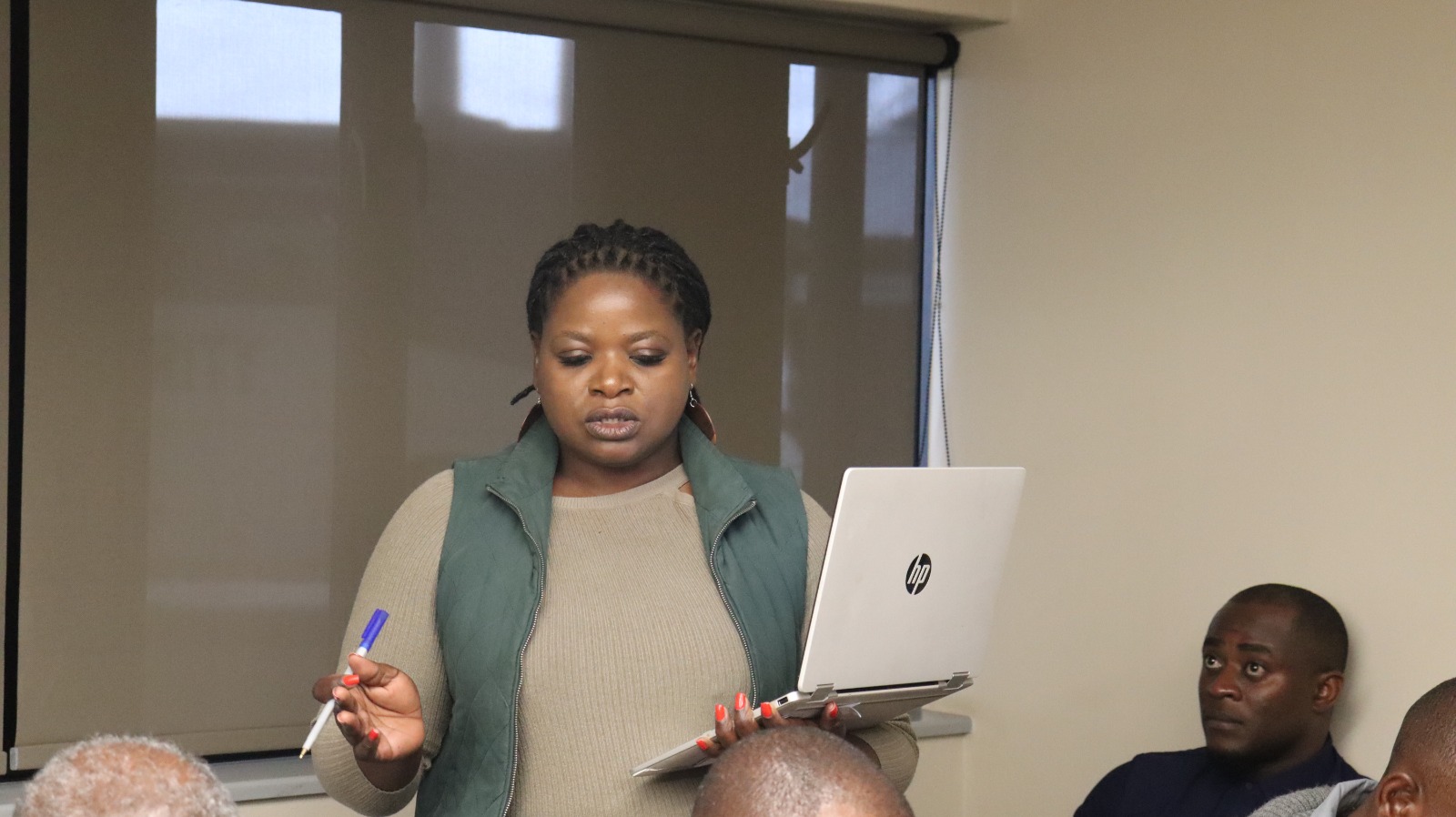
In a statement, Matabeleland South provincial economic development officer, Mr Richmond Ncube said district meetings were underway in the province where stakeholders will review their district plans which feed into the provincial economic development plan.
He said districts will also be expected to hold regular meetings and report to the province.
“The Matabeleland South Provincial Economic Development Plan is a live document that was drafted and finalised in 2021 to cover the period 2021-2025.
The document’s conceptualisation dovetails with the National Development Strategy 1, the devolution and decentralisation as well as the Constitution of Zimbabwe Amendment (No.20) Act 2013. The Second Republic’s thrust of growing provincial and by default the districts’ Gross Domestic Product means that the blue print that speaks to economic activities is indispensable,” he said.
“The pivotal role played by districts as centres of economic hubs means a departure from the traditional way of viewing local authorities as only service providers. The consultative processes that birthed this document are an ongoing activity which would result in actual execution of this plan as different tiers of Government.”
Matabeleland South Provincial Affairs and Devolution Minister, Cde Abednico Ncube said the province’s economic development plan is premised on the adoption and swift implementation of bold policies and programmes aimed at achieving economic transformation.
He said the province is endowed with knowledge systems among its populace, which if fully utilised can contribute immensely to the provincial GDP.
Cde Ncube said various stakeholders have to come up with initiatives which are aimed at developing the provincial economy.
He said innovation from tertiary institutions in the province can bring about the much needed development to the people of Matabeleland South.
Cde Ncube said the economic development plan is underpinned by resource endowments which were already in existence and what is needed are development initiatives.
“As a province we can only count on our comparative advantages, such as minerals, rich agricultural land, our five border posts, inclusive of Beitbridge Border Post, the huge potential in solar energy, tourism, livestock breeding, diaspora community and the expertise.
“The implementation of programmes, policies and interventions to realise these priorities will transform the Matabeleland South economy from a natural resource economy to a knowledge-driven economy. As a province we can do a lot to move the country from a lower-middle-income society towards an upper-middle-income society by 2030,” he said.
“Unity of purpose is of importance towards the attainment of inclusive socio-economic growth and development of the rainbow province. I therefore implore all stakeholders, to contribute in collective and concerted efforts to translate this plan into tangible realities to optimise developmental dividends.”
Cde Ncube said the province has to realise full potential from its major economic activities such as agriculture, which comprises both livestock and irrigation cropping, mining of various minerals and wildlife.



 Online Reporter