

 Chronicle Editor
Mthabisi Tshuma, [email protected]
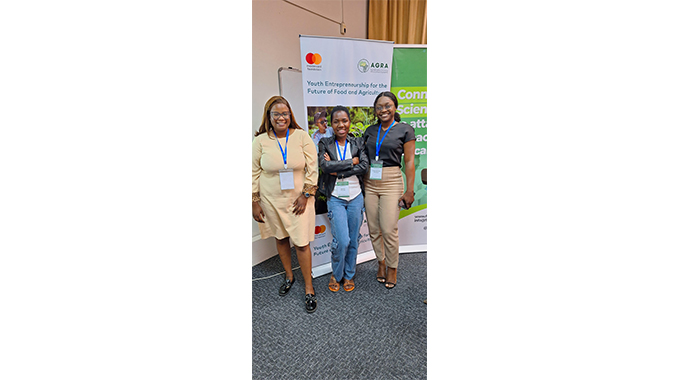
MATABELELAND South province’s Ms Sithabile Gandi-Ndlovu is in Zambia where she is attending a three-day Southern Africa Youth Convening: Empowering Youth in Climate Policy and Action for Green Job Creation in Food Systems event.
The event that started on Monday and ends today is being carried out both virtually and physically (a hybrid mode). The physical workshop is hosting about 50 youths drawn from Zambia, Malawi, Mozambique and Zimbabwe.
Ms Gandi-Ndlovu is attending as Director of the Community Foundation for the Western Region of Zimbabwe under the Youth initiative A Life A Day (ALAD).
On Tuesday she made a presentation on main challenges and opportunities in stakeholder management for youth in Zimbabwe.
“I am attending this event through the work we are doing with young people in Ndiweni community in Bulilima district in Matabeleland South province through the A Life A Day (ALAD) Programme. The ALAD program is an initiative that focuses on empowering and educating young people to make positive changes in their lives and communities. It is designed to provide youth with skills, knowledge and opportunities to improve their wellbeing and contribute to society.
“The programme offers a variety of activities and resources such as workshops, training sessions, mentorship, entrepreneurship and agribusiness development. Since just 10 months ago through partnership with National Foods and National Foods Stock feeds Division they have capacitated over 1500 young people in Matabeleland South and North to develop essential life skills, enhance their self-confidence, foster as sense of responsibility towards themselves and others and notably investing over US$30000 in a biannual egg layer production pass on scheme, aimed at capacitating youth to start their small agri enterprises in egg layer production,” said Ms Gandi-Ndlovu.
She said ALAD Youth are involved in running market gardens at community level and have started selling at community level.
“Because we helping young people create jobs in the agriculture space and also encouraging food security and agriprenuership at community level targeting young people we were invited to learn and share best practices with young farmers, researchers, climate experts and like-minded young people who are concerned about Youth Entrepreneurship for the Future of Food and Agriculture in Africa.
“They heard about us from social media and that’s also where they reached out to us showing the power of social media and connectivity,” said Ms Gandi-Ndlovu.
In her presentation, she highlighted how youths are most affected by ongoing challenges and their consequences.
“There is limited access to resources such as funding, access to technology, and other support systems needed to efficiently engage stakeholders. Notably while youth have been historically excluded from decision making there has been an increase both by Government and NGOs alike in recognising the role of young people in tackling most of the ongoing challenges, however much more can be done.
“As young people we need to start looking at challenges for sustainable impact. The opportunities include representation of youth in strategic decision making processes though limited. Young people in Zimbabwe gave a strong voice and are increasingly being heard by stakeholders.
“Social media has been an effective tool for youth to have their voices heard. There is need to build networks with different stakeholders n allowing opportunities for collaboration, mentorship, and support for youth initiatives through programs such as Eagles Nest by Zimtrade that enables young entrepreneurs are export ready through training and best practices for youth and many more initiatives,” said Ms Gandi-Ndlovu.
She said young people need to read and research more and there is need to increase the capacity of youth in agriculture and ensure that they respond to climate change so they can safe guard the future.
“We need to build effective networks as youth and be proactive in knowledge transfer. The takeaways from the event include that the importance of youth involvement, recognising the role of youth in addressing climate change and creating green jobs with the food system. Youth engagement is essential for driving innovation and sustainable practices.
“I got to grasp on policy advocacy thereby understanding the impact of policies and advocating for policies that support renewable energy, sustainable agriculture and other green initiatives. This is essential for creating a more environmentally and economically viable food system. Skills Training and Capacity Building, Collaboration and Networking and sharing knowledge and Innovation and Entrepreneurship are some of the things that l learnt. We need to encourage more young people to explore innovative solutions and entrepreneurship opportunities that support sustainability in the food system,” said Ms Gandi-Ndlovu.
@mthabisi_mthire



 Online Reporter