admin
admin
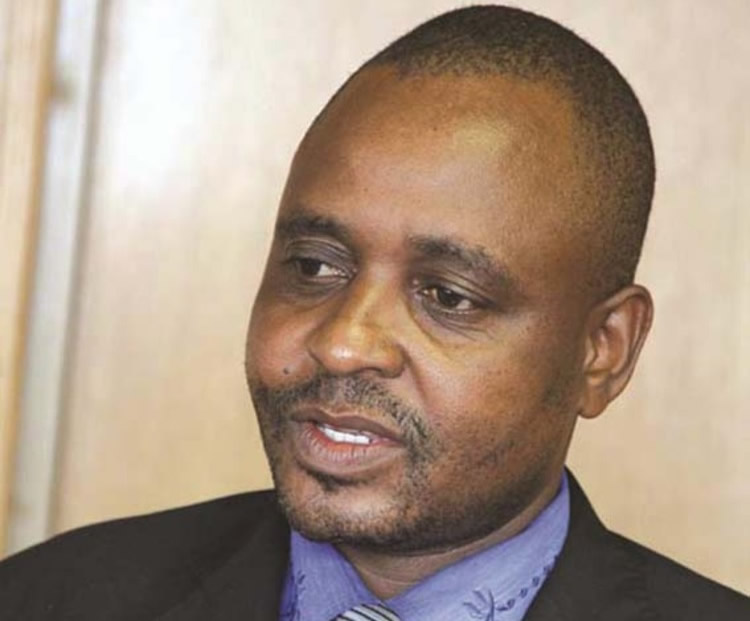
Petros Kausiyo Deputy Sports Editor
ZIMBABWE’S experience with the fight against match-fixing and illegal betting could once again take centre stage when Zifa host the Cosafa, Interpol integrity workshop in Victoria Falls over the weekend.Zifa’s battle to overcome the Asiagate match-fixing scam has been a subject of discussion around the continent, with the association having been asked to present a position paper on the scam at a similar event in South Africa last year.
World soccer governing body Fifa have since joined hands with the international police institution Interpol to try and combat match-fixing and illegal betting with the two bodies now putting a lot of emphasis on preventive measures.
Regional soccer body Cosafa, however believe that Zifa’s brave stance to sacrifice some of their meagre resources to fight match-fixing has been a model for many countries in the Southern part of Africa and the rest of the continent.
The workshop comes just as Zifa were at the weekend winding up responses to Fifa over the fate of the 16 individuals for who lengthy bans ranging from 10 years to life had been slapped.
The individuals some of whom Zifa dubbed the chief perpetrators of the Asiagate scam had been fighting the sanctions imposed on them and Fifa afforded them an opportunity to write to the world soccer governing body and explain their cases on an individual basis.
As is the norm with Fifa who rarely deal directly with individuals, the communication that each respective individual sent to Fifa was also copied to Zifa with the association now being tasked with making comments which the world body indicated would be key in their decision to either endorse the bans or reject them.
Should Fifa endorse the bans, they would take a worldwide effect. Zifa, who in August sent vice-president Ndumiso Gumede and chief executive Jonathan Mashingaidze to the Fifa headquarters to give further details on how they handled the Asiagate probe, have also indicated that they now want the chapter on the scandal closed.
But this weekend, Zifa look set to be not just the host but provide a leading light on the experience they have gained in dealing with match-fixing.
Apart from the Asiagate scam, Zifa also instituted allegations of match-fixing in the Central Region in what became known as the Centralgate scandal where some referees claimed they had been bribed to influence and manipulate results in the Division One championship race in that zone.
Zifa communications manager Xolisani Gwesela said in a statement yesterday that Cosafa had selected Zimbabwe to host the integrity workshop where the region also hopes to identify individuals who could be trained to educate the football families within their respective countries against the dangers of match fixing and illegal betting.
The workshop is also expected to give participating countries some tips on the early warning signs of match-fixing with Interpol advising them on how best the police in their nations could assist.
“The Zimbabwe Football Association would like to inform the football fraternity and the nation, that Zimbabwe has been selected by Cosafa to host the Cosafa – Interpol integrity workshop that will be held at the Elephant Hills hotel in Victoria Falls from 11-14 October 2013.
“Participants will be drawn from Zimbabwe, Angola, Mozambique, Zambia and Lesotho.
“This is a follow up to a similar workshop that was held in Johannesburg, South Africa in September 2012. It is also imperative to note that this is the first time a member association has been asked to host such a high profile workshop. It is undeniable veracity that this is a
Vote of confidence for Zimbabwe as we are known for demonstrating outstanding hospitality to our visitors.
“Zimbabwe is hosting this prestigious workshop in the wake of the ghastly and heinous Asiagate scandal which up to this day threatens the survival of Football.
“Consequently, Zimbabwe will be afforded the opportunity to share with other nations its experiences on match fixing and illegal betting,’’ Gwesela said.
Sport and Recreation Commission director-general Charles Nhemachenaa led the Zimbabwe delegation to the inaugural workshop in South Africa last year but the supreme sports body has since literally dithered on supporting Zifa as they failed to put any systems in place to give direction to Zifa help or help the association successfully close the Asiagate chapter.
Yet Zifa began the Asiagate probe after the Sports Commission demanded a fresh report on the unsanctioned national teams’ trips to Asia.
This came after the Commission had rejected an earlier report prepared by the Wellington Nyatanga board on the same matter.
Countries like Lesotho, Zambia, Mozambique and Angola who also remain at risk of being targeted by the match-fixing syndicates, will likely be keen to know the level of Government support that Zifa have received in trying to bring to finality the Asiagate probe while also evaluating some of the mistakes that the association may have made along the way, which led to the matter dragging on for longer than had been envisaged.


 Online Reporter