Online Reporter
Mbulelo Mpofu, Zimpapers Arts and Entertainment Hub
URGENT conversations linking ancestral knowledge, art, and environmental action will ignite on Saturday at Matobo’s Amagugu International Heritage Centre (AIHC) with the launch of the Taboos and Conversation: Back to the Future (2025 Edition) mini performance art festival.
Presented under the banner of the influential Black the New Green — Art and Climate Change initiative, the event features Bulawayo-based visual artists Fisani Nkomo and Nomvuyiso Mabi, who will explore the powerful, often overlooked connections between cultural taboos, collective memory, and ecological sustainability.
This intimate, experimental lab serves as a vibrant prelude to a larger multidisciplinary project culminating in a major exhibition at the National Gallery of Zimbabwe (NGZ) in Bulawayo, opening in November. Its core mission is bold: to re-examine indigenous taboos (amazilo) not as outdated relics, but as sophisticated, unwritten ecological laws essential for navigating the climate crisis of the future.
The foundation for this dialogue was carefully laid over a year ago. In May 2024, the tranquil grounds of AIHC — strategically located near the sacred Njelele Shrine in Matobo — hosted a profound multidisciplinary plenary session. Curated by Nkomo and Dr Andrew Mulenga for the Taboos and Conservation: Back to the Future project, the session brought together traditional leaders, indigenous knowledge holders, cultural custodians, academics, artists, youth, and community members.
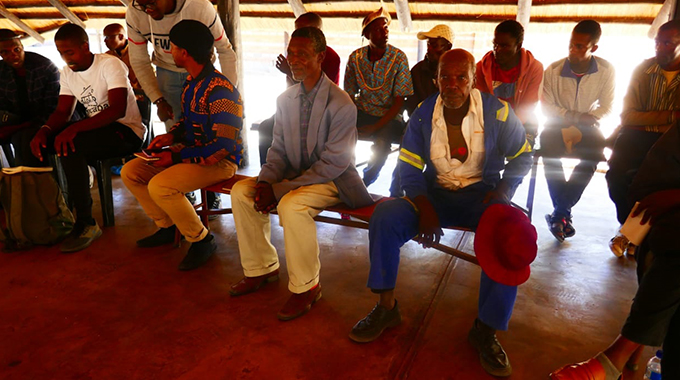
“That plenary was not just a meeting; it was a ceremonial reconnection,” reads the project documentation. Participants explored the nature of taboos as multifaceted ecological frameworks, historically used to protect rivers, forests, specific animal species, and sacred spaces. These taboos governed human interaction with the natural world through a lens of spiritual and communal responsibility. A central theme emerged: the erosion of respect for these systems through colonisation, religious fundamentalism, and modernity has led to a devastating loss of embedded environmental ethics.
Importantly, the plenary championed dialogue between ancestral knowledge and modern science. While Western science quantifies ecological damage, participants argued that taboos spiritualise and personify the same truths, fostering a deeper, more respectful relationship with nature.
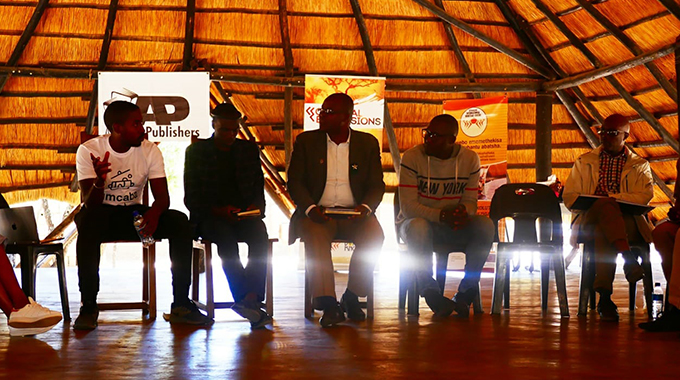
Artists, including contributors from Chinhoyi University of Technology, were identified as vital conduits for translating these complex ideas into visceral, accessible experiences — bridging generations and knowledge systems through visual, performative, and interactive art.
Central to Saturday’s mini festival and the wider project is Nkomo, a prominent figure in Bulawayo’s contemporary art scene and the driving force behind the original Black the New Green exhibition in 2023. That critically acclaimed show, also curated by Nkomo at NGZ in Bulawayo, used sculpture, installation, video, and performance art — often crafted from waste materials — to starkly illustrate environmental degradation and challenge perceptions of pollution. Works like Nkomo’s What’s next? compelled viewers to confront the consequences of ozone depletion.
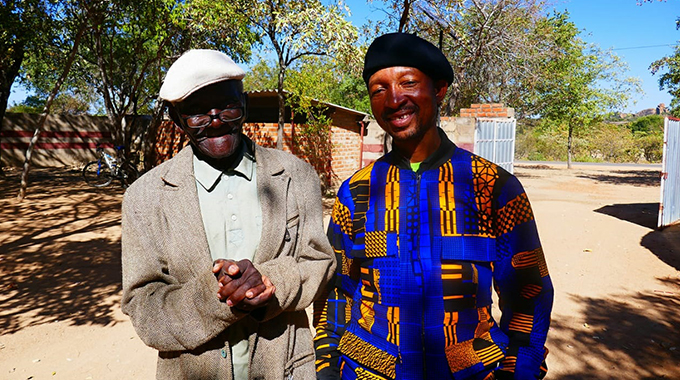
Nkomo’s journey to this pivotal role is unconventional. Born in Mberengwa 54 years ago, he left the corporate world in 1998 to pursue art full-time by 2000. Though trained in Business Studies, he refined his craft through an apprenticeship with renowned sculptor Danisile Ncube. Now a resident artist at NGZ Bulawayo with works exhibited internationally, Nkomo’s career reflects raw talent and unwavering dedication.
“I am inspired mostly by what happens around me,” Nkomo has often said. His abstract and mixed media paintings, infused with the rhythms of jazz, hip-hop, reggae, and soul, prioritise communication over aesthetics. A passionate curator, facilitator, and networker, he has coordinated Intwasa Arts Festival KoBulawayo and led projects like the Poetic Brush Project. His international exposure, including exhibitions in the UK, informs his advocacy: “This (arts) is an industry that can create jobs, but we need the support of colleges and universities. Educational institutions should promote arts subjects.”
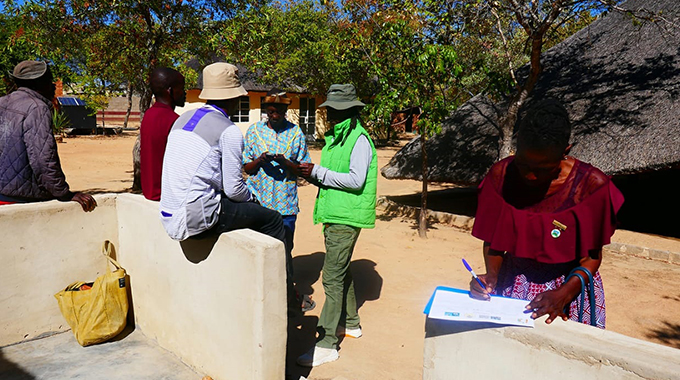
This mini-festival at AIHC is a direct application of the 2024 plenary’s insights. It serves as a creative testing ground where artists, including Nkomo and Mabi, will translate the themes of taboos, memory, and indigenous ecological wisdom into live performance art. The format is intentional — performance art’s immediacy, physicality, and capacity for audience interaction make it uniquely suited to evoke the intangible weight of tradition, the sting of broken taboos, and the urgency of environmental stewardship.
The choice of venue is deeply symbolic. AIHC, a guardian of intangible heritage, offers the ideal sacred-secular space for this dialogue. Hosting the event here, as with the plenary, is an act of reverence — recognising that the deepest wells of indigenous knowledge often reside in rural spaces and the custodianship of elders. It encourages active listening, a vital step in reviving wisdom that has guided communities for generations.
Taboos and Conversation: Back to the Future extends far beyond this single day. The performances and audience responses on Saturday will inform the development of the main exhibition opening at NGZ Bulawayo on Friday, 28 November 2025. This larger showcase will feature an impressive roster of regional talent, including Zambians Agnes Yombwe, Banji Chona, Serah Chule, and Gankhanani Moyo; Harare duo Nothando Chiwanga and Victor Nyakauru; and Bulawayo quintet Prince Sivalo Mahlangu (Magriza Made Me Cook), Gcina Mhlanga (Amakhosi Cultural Centre), Mavis Ndlovu, Owen Maseko, and Danisile Ncube. The exhibition will run until 16 February 2026, accompanied by artist talks (Taboo Indaba panel discussions), community workshops, public lectures, paper presentations, and film screenings.
The project ambitiously positions itself as globally relevant by aligning with key Sustainable Development Goals (SDGs). It contributes to Climate Action (SDG 13) by asserting the indispensable role of ancestral knowledge in contemporary climate solutions; advances Sustainable Communities (SDG 11) by reviving local knowledge systems to strengthen cultural identity and empower community-led environmental management; and promotes Quality Education (SDG 4) through workshops, performances, and digital archiving that foster intergenerational learning about vital intangible cultural heritage.
It’s an invitation to engage with profound questions: Can the cultural taboos dismissed as ‘backward’ hold keys to our ecological future? Can performance art make ancestral whispers audible to modern ears?
Taboos and Conversation: Back to the Future boldly answers yes — using the transformative power of art to ensure that vital indigenous wisdom is not only remembered, but actively shapes a more sustainable tomorrow. The conversation begins anew, rooted in the past, and performed for the future. – Follow on X @MbuleloMpofu