admin
admin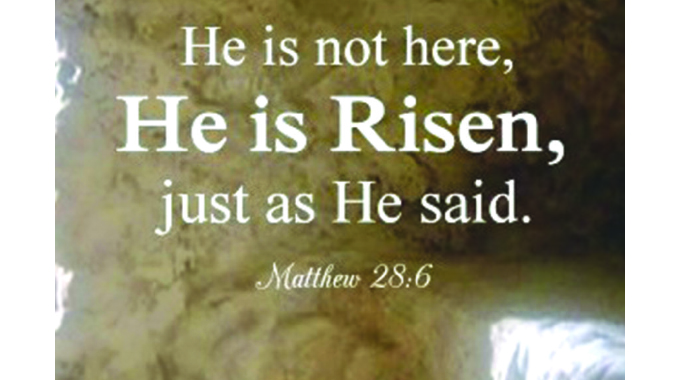
Easter is one of the central holidays, or Holy Days, of Christianity. It honours the Resurrection of Jesus three days after His death by crucifixion. For many Christian churches, Easter is the joyful conclusion to the Lenten season of devoted prayer, fasting, and penitence.
Along with the Nativity of Christ, Easter is one of the most important celebrations in the Christian calendar. It is when Christians glorify and give thanks for the Resurrection of Jesus Christ. After His crucifixion, death, and burial, Christ rose from the grave three days later. By this, He conquered death and redeemed us from sin.
This year, Easter will be on April 20.
Easter is a yearly Christian celebration honouring the resurrection of Jesus Christ. It is traditionally observed on the first Sunday following the initial full moon after the vernal equinox, with its timing determined by specific tables aligned with the Gregorian calendar in Western churches and the Julian calendar in Orthodox churches. It is also known as Easter Sunday, the day dedicated to commemorating this festival.
The International Standard Bible Encyclopedia gives biblical references to “Easter,” stating;
“The word does not properly occur in Scripture, although the King James Version has it in Acts 12:4 where it stands for Passover, as it is rightly rendered in the Revised Version (British and American). There is no trace of Easter celebration in the New Testament, though some would see an intimation of it in 1 Corinthians 5:7. The Jewish Christians in the early church continued to celebrate the Passover, regarding Christ as the true paschal lamb, and this naturally passed over into a commemoration of the death and resurrection of our Lord or an Easter feast.”
What Event Happened on Easter?
Easter is celebrated by Christians to commemorate the resurrection of Jesus Christ from the dead, as described in the New Testament of the Bible. According to Christian beliefs, Jesus was crucified on Good Friday, and three days later, on Easter Sunday, He rose from the dead, symbolizing victory over sin and death.
According to the New Testament accounts, Easter Sunday began with the dawn of a new day, following the sorrowful crucifixion of Jesus on Good Friday. As the sun rose, the women who had followed Jesus, including Mary Magdalene, Mary the mother of James, and Salome, made their way to the tomb where Jesus had been laid. Upon arrival, they discovered the stone rolled away from the entrance and the tomb empty.
This momentous discovery was accompanied by the appearance of angels who proclaimed the astounding news: “He is not here; he has risen, just as he said” (Matthew 28:6). Overwhelmed with awe and wonder, the women rushed to share the incredible news with the disciples. Meanwhile, Jesus himself appeared to Mary Magdalene near the tomb, and later to other followers, including two disciples on the road to Emmaus and to the gathered disciples in Jerusalem.
The resurrection of Jesus Christ on Easter Sunday is the cornerstone of the Christian faith, signifying the fulfillment of God’s plan for redemption and offering believers the promise of eternal life. It is a day of immense joy and hope, as Christians celebrate the victory of light over darkness, life over death, and the triumph of God’s love for humanity. Easter Sunday serves as a profound reminder of the transformative power of faith and the enduring message of hope that resonates throughout the ages.
Easter is considered the most important and joyful celebration in the Christian liturgical calendar. It is a time for Christians to reflect on the significance of Jesus’ sacrifice and the promise of eternal life. The resurrection is seen as a central doctrine of Christianity, emphasizing the hope and redemption offered through faith in Jesus Christ.
Why Do Christians Celebrate Easter?
The significance of Easter is Jesus Christ’s triumph over death. His resurrection means the eternal life that is granted to all who believe in Him. The purpose of Easter also means the full confirmation of all that Jesus taught and preached during His three-year ministry. If He had not risen from the dead or simply died and not been resurrected, He would have been thought of as just another teacher or prophet. However, His resurrection rebuked all that and provided final and undeniable proof that He was the Son of God and that He had overcome death once and for all.
The resurrection of Jesus Christ from the dead is the core of the Christian gospel. Saint Paul says that if Christ is not raised from the dead, then our preaching and hope are in vain (1 Cor. 15:14). Certainly, without the resurrection, there would be no Christian preaching or faith. The apostles of Christ would have continued as the disheartened group, which the Gospel of John depicts as being in hiding for fear of the Jews. They were in total despair until they met the risen Christ (John 20:19). Then they touched Christ’s wounds of the nails and the spear; they ate and drank with Him. The resurrection became the foundation of everything they said and did (Acts 2-4): “…for a spirit has not flesh and bones as you see that I have” (Luke 24:39). – christianity.com



 Online Reporter