Online Reporter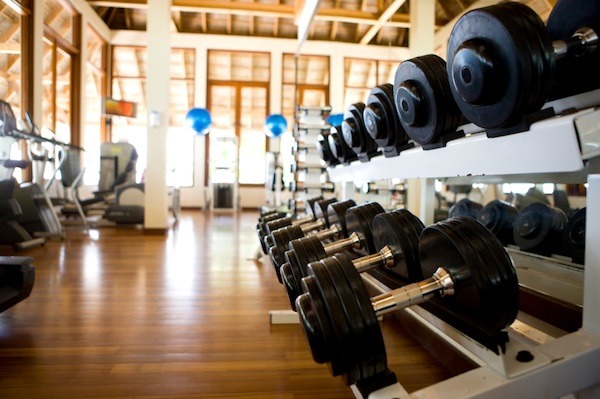
Robin Muchetu Health and Gender Editor
OVER the past couple of years, there has been a revolution in how people have become conscious about their physical health.
Going to the gym is now an activity that many are taking seriously and are being very consistent.
Diets are also being followed strictly and calories are being counted to ensure people eat clean and reduce excess weight.
But what has triggered this sudden desire to exercise, eat right, lose weight and keep fit is years of poor eating habits and exercise neglect.
With many involved in sedentary work, where jobs involve long sitting hours and little physical activity, many have put on weight over the years that they are now trying to fight off.
This has further given birth to the proliferation of gyms, fitness clubs and more recently running clubs as people strive for a healthier lifestyle.
Some are also training via WhatsApp groups where trainers enrol a number of people who they train through live sessions while they are in the comfort of their homes.
The danger associated with poor lifestyles being witnessed today are Non-Communicable Diseases (NCDs), these have shot up in recent years as people are affected by diseases such as obesity, diabetes, hypertension, stroke and heart disease to name a few.
This, in many cases is also because people lack regular physical exercise and eat poorly with processed foods being the biggest culprit.
Experts suggest that exercising regularly – every day if possible – is the single most important thing one can do for their health.
In the short term, exercise helps to control appetite, boost mood and improve sleep. In the long term, it reduces the risk of heart disease, stroke, diabetes, dementia, depression and many cancers.
Why is exercise so important?
Whether you were once much more physically active or have never been one to exercise regularly, now is a great time to start an exercise and fitness regimen. Getting and staying in shape is just as important for the elderly as it is for younger people.
Exercising helps to get your heart rate up and challenges your muscles which benefits virtually every system in your body, and improves your physical and mental health in many ways.
Physical activity helps maintain a healthy blood pressure, keeps harmful plaque from building up in your arteries, reduces inflammation, improves blood sugar levels, strengthens bones and helps stave off depression.
In addition, a regular exercise program can lead to better quality sleep, reduce your risk of some cancers and is linked to longer life.
Exercise controls weight
Exercise can help prevent excess weight gain or help you keep off lost weight. When you take part in physical activity, you burn calories. The more intense the activity, the more calories you burn.
Regular trips to the gym are great, but one must not worry if they cannot find a lot of time to exercise every day. Any amount of activity is better than none. To gain the benefits of exercise, just get more active throughout the day, good example is taking the stairs instead of the elevator in buildings.
Exercise combats health conditions and diseases
Regular exercise helps prevent or manage many health problems and concerns, including:
Stroke
Metabolic syndrome
High blood pressure
Type 2 diabetes
Depression
Anxiety
Many types of cancer
Arthritis
Falls
Exercise improves mood
A gym session or brisk walk can help. Physical activity stimulates many brain chemicals that may
leave you feeling happier, more relaxed and less anxious. You also may feel better about your
appearance and yourself when you exercise regularly, which can boost your confidence and improve
your self-esteem.
Exercise promotes better sleep
If you are struggling to sleep, regular physical activity can help you fall asleep faster, get better sleep and deepen your sleep. However, do not exercise too close to bedtime, or you may be too energized to go to sleep.
What are the best types of exercise?
1. Aerobic exercise is marked by an increased heart rate. Although most aerobic exercises require you to move your whole body, the main focus is on your heart and lungs (aerobic exercise is often called “cardio” be-cause it challenges and benefits your cardiovascular system).
2. Activities like walking, swimming, dancing and cycling, if done at sufficient intensity, get you breathing faster and your heart working harder. Aerobic exercises burn fat, improve your mood, reduce inflammation and lower blood sugar.
3. Strength training, sometimes called resistance training, should be performed two to three times a week. Squats, lunges, push-ups and the exercises performed on resistance machines or using weights or bands help maintain and even build muscle mass and strength. Strength training also helps prevent falls, keep bones strong, lower blood sugar levels and improve balance
How long should one exercise?
As a general rule, experts recommend 150 minutes of moderate intensity aerobic activity (or 75 minutes of vigorous exercise) as a weekly minimum. As you become more fit, you will want to exceed that in order to reap maximum benefit. A natural way of splitting up the 150 minutes might be to do a 30-minute session five times per week, or you can break it up and do two 15-minute sessions during a single day. Adopt whatever schedule fits your lifestyle.
—@NyembeziMu