Online Reporter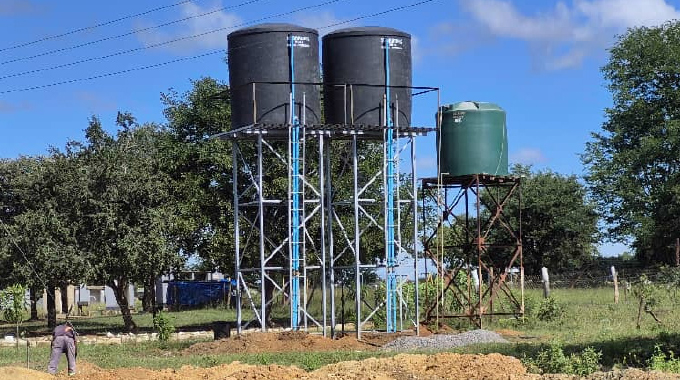
Nothando Zondo, [email protected]
THE transformation of Mawabeni Clinic in Umzingwane District is gathering pace as Government steps up efforts to improve healthcare access for rural communities in line with Vision 2030.
Through a partnership with World Vision and other stakeholders, the installation of a solar-powered piped water scheme at the clinic has been completed and is now operational, while construction of a new Outpatient Department (OPD) has reached foundation level. The works are expected to be completed by August.
The Government’s National Development Strategy 2 (NDS 2) outlines measures to accelerate socio-economic transformation and achieve upper-middle-income status by 2030. The ongoing work at Mawabeni Clinic is aligned with this vision, which prioritises infrastructure development, healthcare and social services to improve the quality of life for villagers.
World Vision Zimbabwe’s collaboration with Government forms part of a long-term Area Development Programme that began stakeholder engagement in 2017. Construction of the solar-powered piped water system and the OPD commenced in 2025.
World Vision Area Development Programme Manager, Mr Hillary Mushai, said the projects were consistent with World Vision’s child-focused approach, aimed at ensuring that children are healthy, educated, cared for and protected.
“We engaged stakeholders at programme inception in 2017, particularly the Ministry of Health and Child Care, when communities cited challenges with inadequate health service facilities,” said Mr Mushai.
The Mawabeni community is also contributing resources, including quarry stone, pit sand and river sand, to support the construction work.
Mr Mushai said the goal was to transform all health facilities within the Area Development Programme zone. So far, World Vision has established a Waiting Mothers’ Home and piped water system at Mbizingwe Clinic, as well as a piped water system at Umzingwane Clinic.
Ward 5 Councillor, Elijar Nkala, said upgrading Mawabeni Clinic would bring major benefits to the community.
“These facilities will reduce limited access to clean water, especially at the primary school during the summer season, which forces them to fetch water from distant sources, increasing the burden on the children. The project will also reduce overcrowding and poor hygiene at the existing clinic, which has been compromising the quality of care,” said Clr Nkala.
Mawabeni village health worker, Ms Sihle Gwebu, expressed optimism about the expected improvements.
“We’re looking forward to the project’s completion and the positive impact it will bring. The new OPD and reliable water supply will make a huge difference to our work and the community’s health,” said Ms Gwebu.
Government’s endorsement of, and partnership with, World Vision Zimbabwe in implementing these developments underscores its commitment to accelerating progress and ensuring equitable access to essential services. This joint effort aligns with the Vision 2030 objective of bringing vital infrastructure within reach of all citizens, fostering inclusive growth and improving the quality of life for rural communities.
Umzingwane Rural District Council Chief Executive Officer, Mrs Sithembiso Sibanda, commended the Government for strengthening collaborations with World Vision Zimbabwe and the council, noting the success of earlier joint projects.
“We acknowledge the Government of Zimbabwe’s visionary leadership and commitment to improving healthcare infrastructure, which has enabled partnerships like ours with World Vision Zimbabwe.
“World Vision has worked hand-in-hand with us on several initiatives, including the Mbizingwe Clinic Waiting Mother’s Home and piped water system, Esibomvu Waiting Mothers Shelter and Umzingwane Clinic’s piped water system,” said Mrs Sibanda.
These developments highlight a shared commitment to uplifting rural communities in line with Vision 2030. With the solar-powered piped water scheme now operational and the new Outpatient Department set to open soon, Mawabeni villagers can look forward to dignified, reliable and improved healthcare services close to home.