admin
admin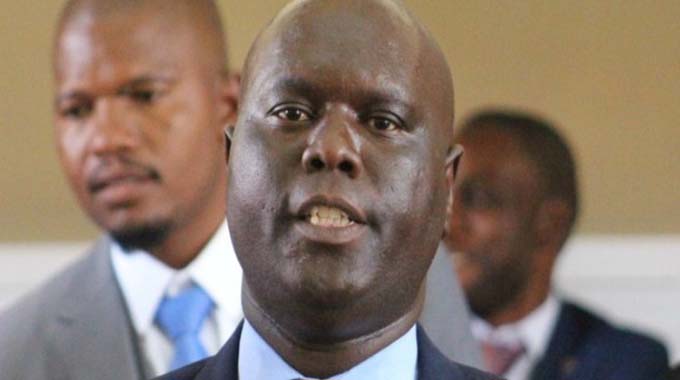
Innocent Ruwende Senior Reporter
Harare Mayor Councillor Herbert Gomba has pleaded with residents to reconsider their position on the pre-paid water meter scheme, saying it is the only way the city can provide potable water and attract investment in new water sources.
Harare residents last year rejected plans by council to introduce a compulsory roll out of prepaid water meters forcing it to resort to implementing the roll out on a voluntary basis.
Addressing delegates at a Water Conference on Monday, Clr Gomba said the city was financially hamstrung and was failing to buy some of the equipment it needed for treating water.
“If we want clean potable water gushing out of our taps constantly we must be able to do the right thing that is looking at the short-term solutions first then move on to the long-term ones,” he said.
“It is true that our employees are not getting paid on time. They are also asked to attend to leakages and manage the water treatment plants without the necessary equipment.
“If we are discussing issues of pre-payment and post payment we need to agree and come to a conclusion based on what is happening now.”
Clr Gomba said stakeholders should come up with solutions which address problems being faced by the council in delivering water to residents.
“The situation on the ground is unbearable we want to thank town clerk Hosiah Chisango and his team for doing their best to ensure that we continue to get water,” he said.
“Sometimes we do not have resources to buy certain instruments required.”
Harare Water director Engineer Mabhena Moyo said the prepaid water scheme would enable council to raise more revenue.
“People are not paying their rates and that is why we sometimes have low chemical reserves,” he said.
“There are various ideas that we have come up with to ring fence the water account such as smart metering where we introduce pre-payment in order to raise revenue.”
Council set aside $12 million in its 2019 budget for water meters after undertaking a study on the pre-paid project, but residents groups have been lobbying against the idea, saying water was a fundamental right and adopting pre-paid meters was tantamount to privatisation.
The city was expecting the prepaid meters to serve as a revenue collection tool and debt recovery mechanism, which also discourages wastefulness.
The pre-paid system has been working well for the Zimbabwe Electricity Supply Authority and is now being used as an example of a success story.


 Online Reporter