Online Reporter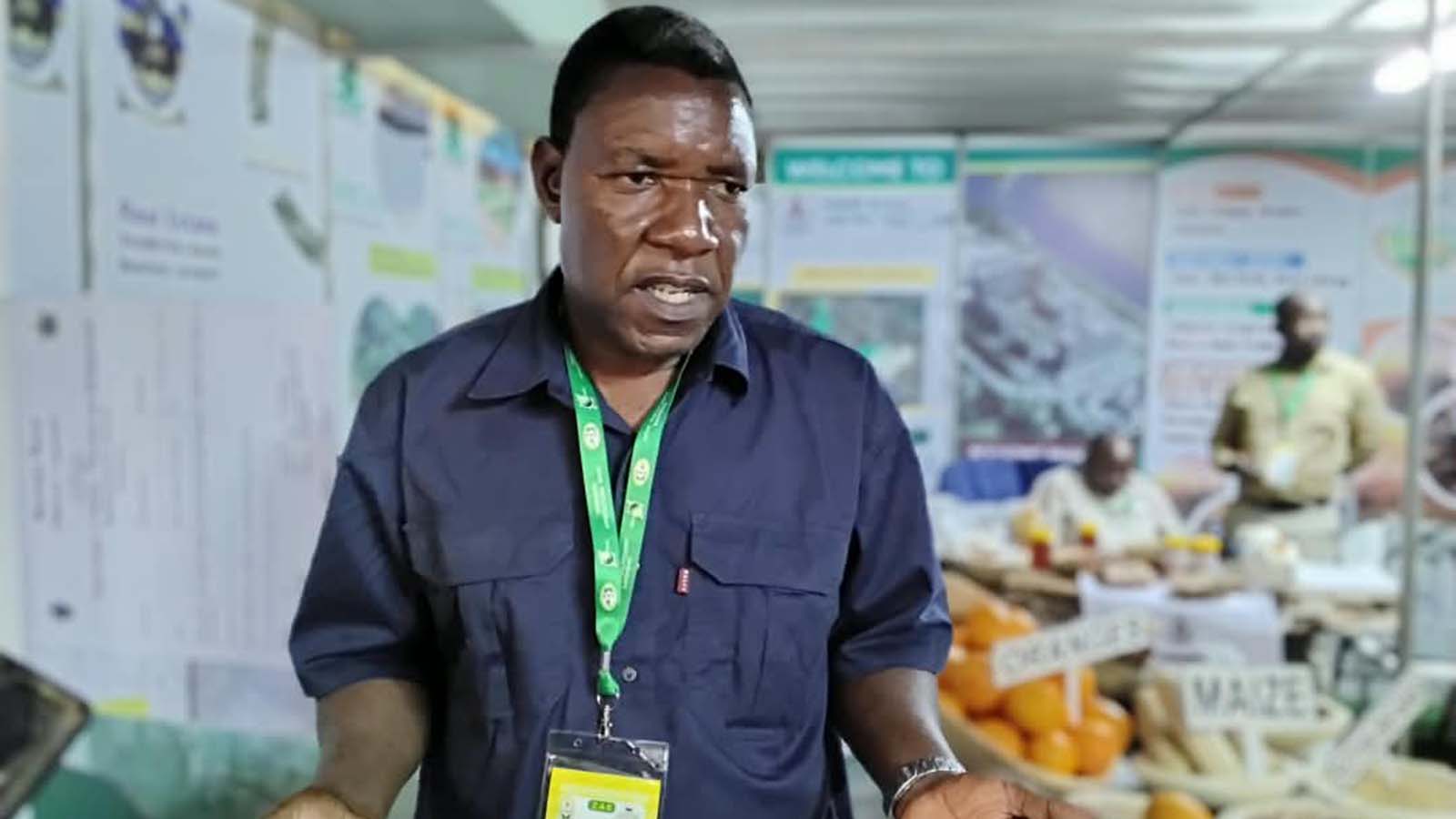
Precious Manomano and Yeukai Karengezeka
MAZOWE Rural District Council is positioning the area as a major investment hub, with a US$120 million cement manufacturing plant currently under construction and geological surveys identifying 42 minerals, including gold and chrome, in the district.
The developments are expected to accelerate industrialisation, mineral beneficiation and value addition while creating employment and opening opportunities for local businesses.
Mazowe Rural District Council Community Development Officer Dr Joshua Nyashanu said the district had vast mineral resources that could support large-scale processing and manufacturing.
“A Chinese company is currently constructing a US$120 million cement plant in Mazowe,” he said.
“This will make it easier for those who want to build because we will have cement being produced locally.”
Dr Nyashanu said the cement plant was among several major investments that demonstrated the district’s growing economic potential.
He said geological reports had identified 42 minerals in Mazowe, with gold and chrome presenting significant opportunities for investors interested in mining and mineral beneficiation.
“The Great Dyke passes through Mazowe and we have too much chrome in the area. Our geological report indicates that we have 42 minerals in the district,” he said.
Dr Nyashanu said gold processing was another area requiring investment, with some of the district’s ore reportedly producing about 15 grammes of gold per tonne.
“We have the richest ore which produces around 15 grammes per tonne, so we need processing,” he said.
He said the council wanted investors to move beyond extraction of raw materials and establish processing and value-addition industries within the district.
Mazowe is also positioning agriculture as a key pillar of its economy, with Dr Nyashanu saying the district’s favourable agro-ecological conditions and abundant water resources provided opportunities for commercial farming.
The district is in Natural Region 2A and has 99 perennial dams, providing significant potential for irrigation and year-round production.
“Farmers can do irrigation because we have 99 perennial dams. I think this is the one district with many water bodies,” he said.
Dr Nyashanu said Mazowe also had significant underground water resources, with water reportedly accessible at relatively shallow depths in some areas.
He said agriculture should be combined with value addition, particularly in citrus and soybean production.
“We have oranges, but people want to extract juice, which is the last option. We want the peels to make perfume and feed for cattle. The peels are used for different purposes such as chemicals,” he said.
The district is also targeting investment in tourism, property development and hospitality, with attractions including the Mbuya Nehanda Shrine and cultural villages.
Dr Nyashanu said plans were also underway to establish an observation tower at Christon Bank overlooking Parliament, which would add to the district’s tourism attractions.
He said Mazowe’s proximity to Harare, Robert Gabriel Mugabe International Airport and railway infrastructure gave businesses access to major markets and improved connectivity.
The district also hosts several institutions of higher learning and research facilities, while plans for a technological hub are expected to strengthen innovation and skills development.
To improve the ease of doing business, the council has established a committee dedicated to dealing with investors.
“In Mazowe, we have adopted the national policy that Zimbabwe is Open for Business, so is Mazowe. In terms of doing business easily, we have set up a committee to deal with investors,” Dr Nyashanu said.
He said the district was already witnessing increased investment, with major businesses and mining operations contributing to economic activity.
Dr Nyashanu urged investors to consider Mazowe for mining, agriculture, property development, manufacturing, processing and tourism, saying the district had the resources required to support diverse economic activities.
“We are into agriculture, mining, processing and value addition because the resources are available,” he said.