Daniel Chigunwe
Herald Correspondent
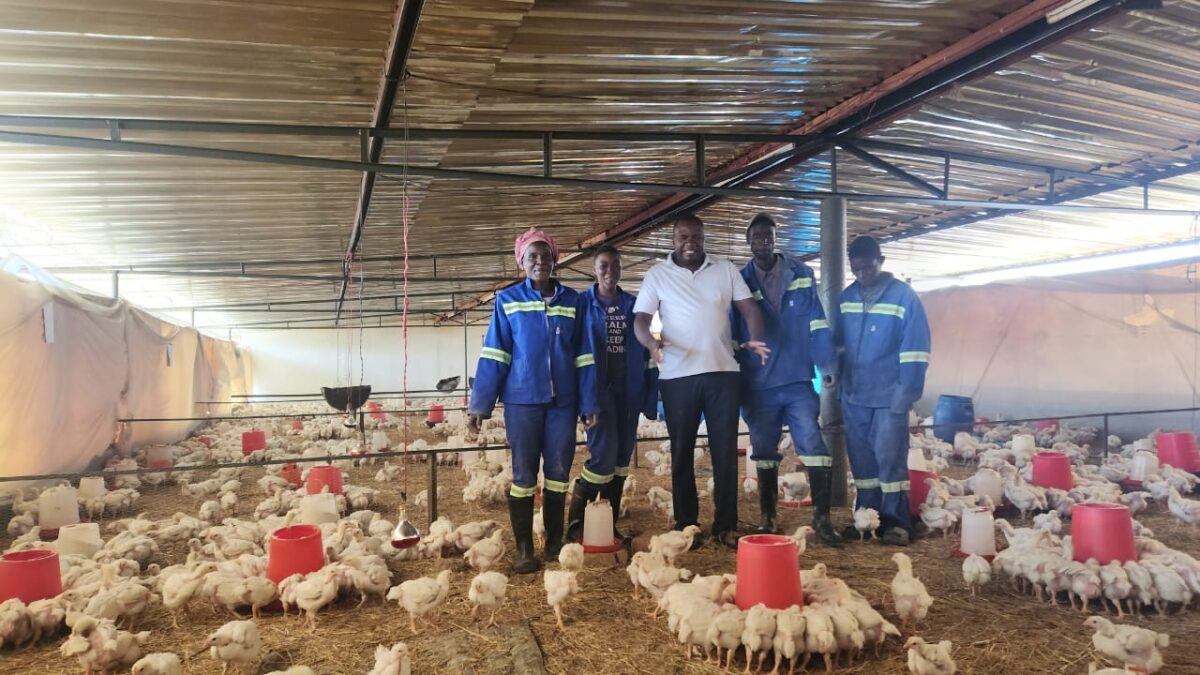
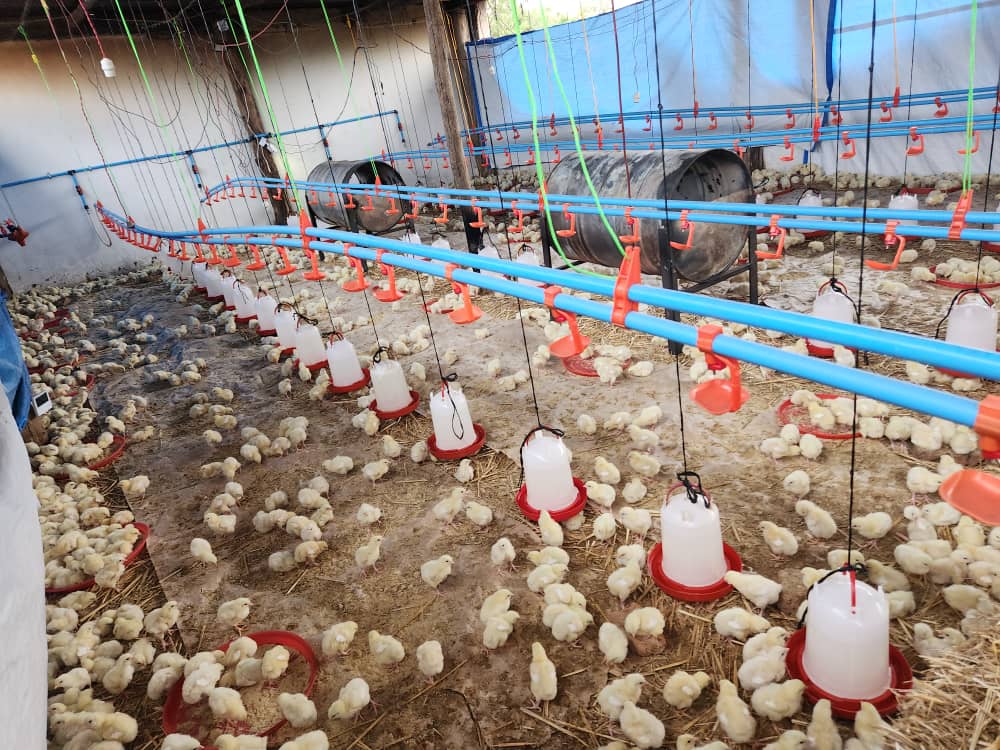
A POULTRY enterprise in Mazowe District is emerging as a model for rural entrepreneurship, with plans to extend its benefits to more residents through a proposed community empowerment initiative.
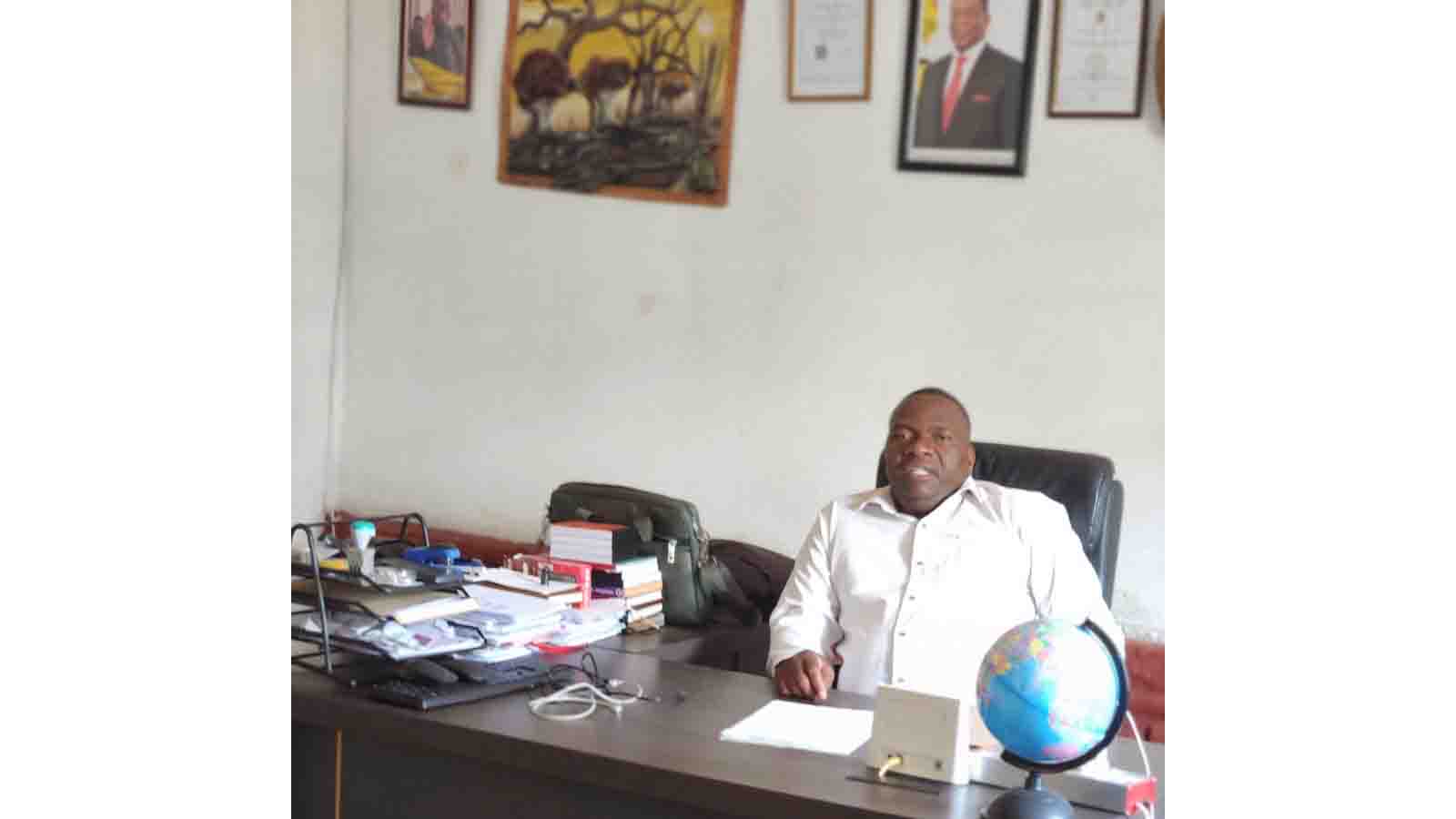
Spearheaded by Ward 24 Councillor Mr Ernest Chipiri, the project, which currently manages hundreds of broilers, demonstrates how rural agricultural activities can evolve into viable businesses that generate income, create employment and stimulate local economic growth.
Chipiri is now looking at having the initiative adopted as a community empowerment project, opening opportunities for other residents, particularly young people and women, to participate in poultry production and related business activities.
The proposal seeks to move the initiative beyond an individual enterprise towards a broader community development model in which residents can participate in productive ventures and build sustainable livelihoods.
For Chipiri, poultry farming offers a practical entry point into entrepreneurship because of established market demand and its relatively short production cycle.
“We want to demonstrate that rural communities can build viable businesses using the resources and opportunities available to them.
“Poultry is a practical enterprise because there is a ready market for chicken, and with proper management it can generate income within a relatively short production cycle,” he said.
He said the business was being expanded progressively, with emphasis on proper feeding, disease control, production management and reliable marketing systems.
“The idea is to start from what you can manage and grow from there. We are looking at poultry as a business, not merely as a project. Once you treat it as a business, you begin to look at production costs, markets, reinvestment and expansion,” he said.
The proposed community adoption could create opportunities for residents to acquire practical skills, venture into poultry production and participate in the wider agricultural value chain.
Beyond poultry production, the sector offers business opportunities in feed supply, veterinary services, transportation, marketing and processing, allowing economic benefits to extend beyond individual farmers.
Chipiri said rural communities should increasingly view agriculture as a platform for entrepreneurship and investment rather than subsistence production alone.
“Our rural areas should not only be viewed as places where people produce food for their own consumption. They can also be centres of production, entrepreneurship and investment,” he said.
He added that expanding poultry production could create opportunities for young people and women across different stages of the value chain.
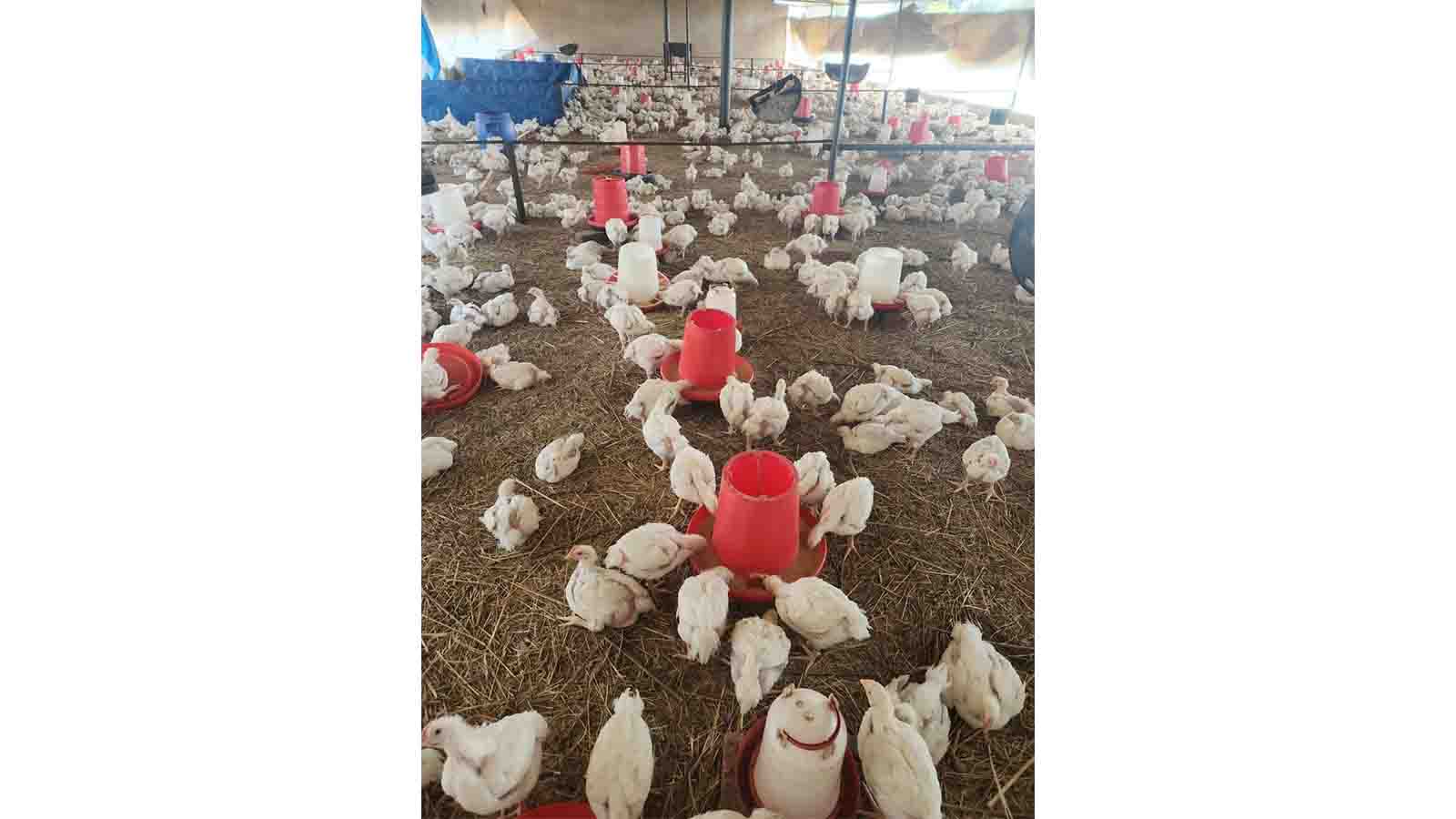
“When a poultry project grows, it creates opportunities beyond the farmer. Someone supplies feed, someone provides transport, someone sells the chickens and another person can eventually move into processing. That is how a small project can begin contributing to the local economy,” he said.
The initiative aligns with Zimbabwe’s broader drive towards agriculture-led rural transformation and industrialisation.
The National Development Strategy 2 (NDS2), covering 2026 to 2030, identifies agricultural productivity, value-chain development and stronger linkages between agriculture and industry as important drivers of inclusive economic growth.
For Zimbabweans in the diaspora, community-based agricultural enterprises also present opportunities to channel investment into productive ventures that can generate returns while creating employment and livelihoods in their home communities.
However, translating the proposed empowerment model into a sustainable programme will require clear participation arrangements, technical support, access to production inputs, reliable markets and sound financial management.
Chipiri believes the next stage should focus on expanding production capacity, improving technical knowledge and embracing value addition.
“We want to see farmers moving from simply producing to understanding the whole value chain. If we can increase production, improve quality and eventually add value, the benefits to the community become much greater,” he said.
As Zimbabwe pursues Vision 2030, the transformation of rural communities will depend not only on infrastructure development but also on the growth of productive enterprises capable of generating incomes, creating employment and connecting local producers to wider markets.
The proposed adoption of the Ward 24 poultry initiative could therefore provide a platform for broader economic participation, demonstrating how locally driven agricultural enterprises can contribute to sustainable rural development.