Online Reporter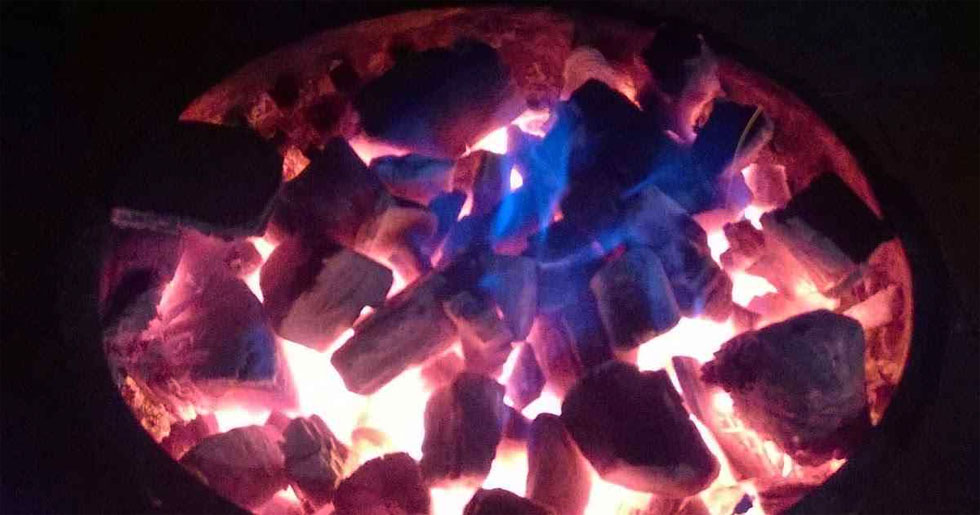
Dr Tendai Zuze
Health Matters
IN many homes across Zimbabwe and other parts of the world, charcoal braziers — known as mbaura — are a familiar and affordable way to keep warm during cold spells like we are experiencing now.
Especially in areas without electricity or where power cuts are frequent, these traditional heating methods offer comfort and convenience.
But beneath the warm glow lies a deadly danger that has claimed many lives silently and swiftly: carbon monoxide (CO) poisoning.
Carbon monoxide is a colourless, odourless, and tasteless gas that is produced when carbon-containing fuels such as charcoal, wood, or gas are burned in enclosed or poorly ventilated spaces.
Because it cannot be seen or smelled, CO is particularly insidious.
It replaces oxygen in the bloodstream by binding with haemoglobin, which reduces the amount of oxygen carried to vital organs.
This process can happen quickly and without warning, especially when people are asleep or in a confined space.
Using a charcoal brazier indoors—especially in rooms with closed windows and doors—is one of the most common sources of CO poisoning.
When the brazier burns, it releases smoke that may seem to clear after some time, but the carbon monoxide continues to build up in the air.
As people relax or sleep in these enclosed spaces, they unknowingly inhale dangerous levels of the gas.
Early symptoms—such as headache, dizziness, nausea, and fatigue—can easily be mistaken for flu or general tiredness. As exposure continues, confusion, loss of consciousness, and even death may follow.
Tragically, entire families have succumbed overnight, never waking up.
Children, pregnant women, the elderly, and individuals with underlying respiratory or cardiovascular conditions are especially vulnerable.
In pregnant women, CO poisoning can lead to miscarriage or foetal hypoxia.
In severe cases, survivors may suffer permanent brain damage or other long-term neurological problems due to prolonged oxygen deprivation.
Despite the grave risk, many people continue to use braziers indoors without proper precautions, often unaware of the potential consequences.
Part of the problem lies in a lack of public awareness and the belief that once the smoke has cleared, the danger has passed.
However, it is not the visible smoke, but the invisible gas that kills.
Preventing carbon monoxide poisoning begins with education and safe practices.
Charcoal braziers should NEVER be used inside closed rooms or tents.
If used indoors for cooking or heating, they must be placed in well-ventilated areas, and windows or doors must remain open to allow fresh air to circulate.
It is safest to avoid sleeping in a room where a brazier is burning or has recently been used.
Importantly, once the charcoal is burning well, many people mistakenly bring the brazier indoors thinking the danger has passed. In fact, the risk remains high during this period.
In homes that rely heavily on braziers, affordable battery-powered carbon monoxide detectors can be lifesaving.
While not widely available in Zimbabwe, raising demand could drive more suppliers to stock these devices.
Public health campaigns and community education are also essential, especially in high-density suburbs and rural areas where electricity is unavailable or unreliable.
As temperatures drop and families look for ways to stay warm, the need for safe heating practices becomes urgent.
The brazier may seem like a friend in winter’s cold embrace, but when misused, it becomes a silent killer.
No warmth is worth a life.
Awareness, ventilation, and caution can help prevent tragedy and ensure that a simple effort to stay warm does not become a fatal mistake.
For more on carbon monoxide poisoning, contact [email protected].