Online Reporter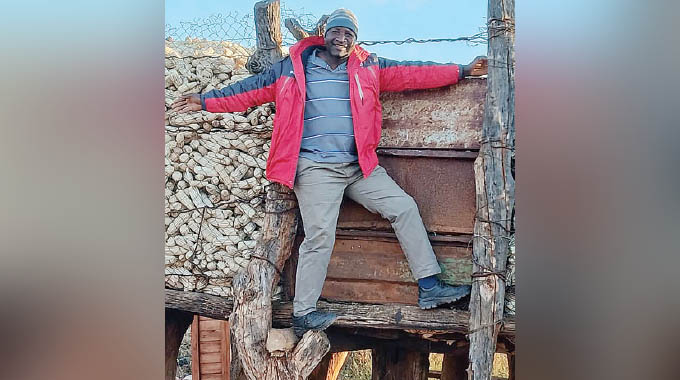
Patrick Chitumba, [email protected]
GADZIRAI Mudzingwa (49), a gold miner and Ward 2 Councillor in Mberengwa District, is steadily proving that agriculture can be just as profitable as mining. A beneficiary of the Government’s fast-track land reform programme in 2000, he has over the years transformed his plot into a diversified agricultural enterprise spanning maize production, cattle breeding, goats and poultry.
As Government pushes to restore Zimbabwe’s status as the breadbasket of Africa under the Vision 2030 agenda, Clr Mudzingwa’s journey illustrates the growing shift towards commercial farming in districts traditionally dominated by mining.
“I started farming to feed miners at my claims. Now I have a ready market for my maize and I am cultivating five to six hectares, with plans to expand,” he said.
Last season, Clr Mudzingwa harvested 22 tonnes of maize and is targeting higher yields this year, crediting precision farming methods that have enabled him to achieve up to eight tonnes per hectare.
Clr Mudzingwa began as a gold panner in Kwekwe before returning to Mberengwa. Although he secured land under the land reform programme in 2000, mining remained his main focus for many years.
“I registered my claims in 2010 but was not farming seriously at the time,” he said.
He credits Mberengwa Central legislator Tinashe Shumba for assisting him to formalise his mining operations.
“He gave me a mill, then I bought a second one, and now I operate on my own. All my claims are registered under the Ministry of Mines and Mining Development,” said Mudzingwa, who employs several local youths.
Realising that miners needed consistent food supplies, Clr Mudzingwa started producing maize commercially.
“At times, I have over 100 miners who all need food. If I get a tractor and planter, I know I can do more,” he said.
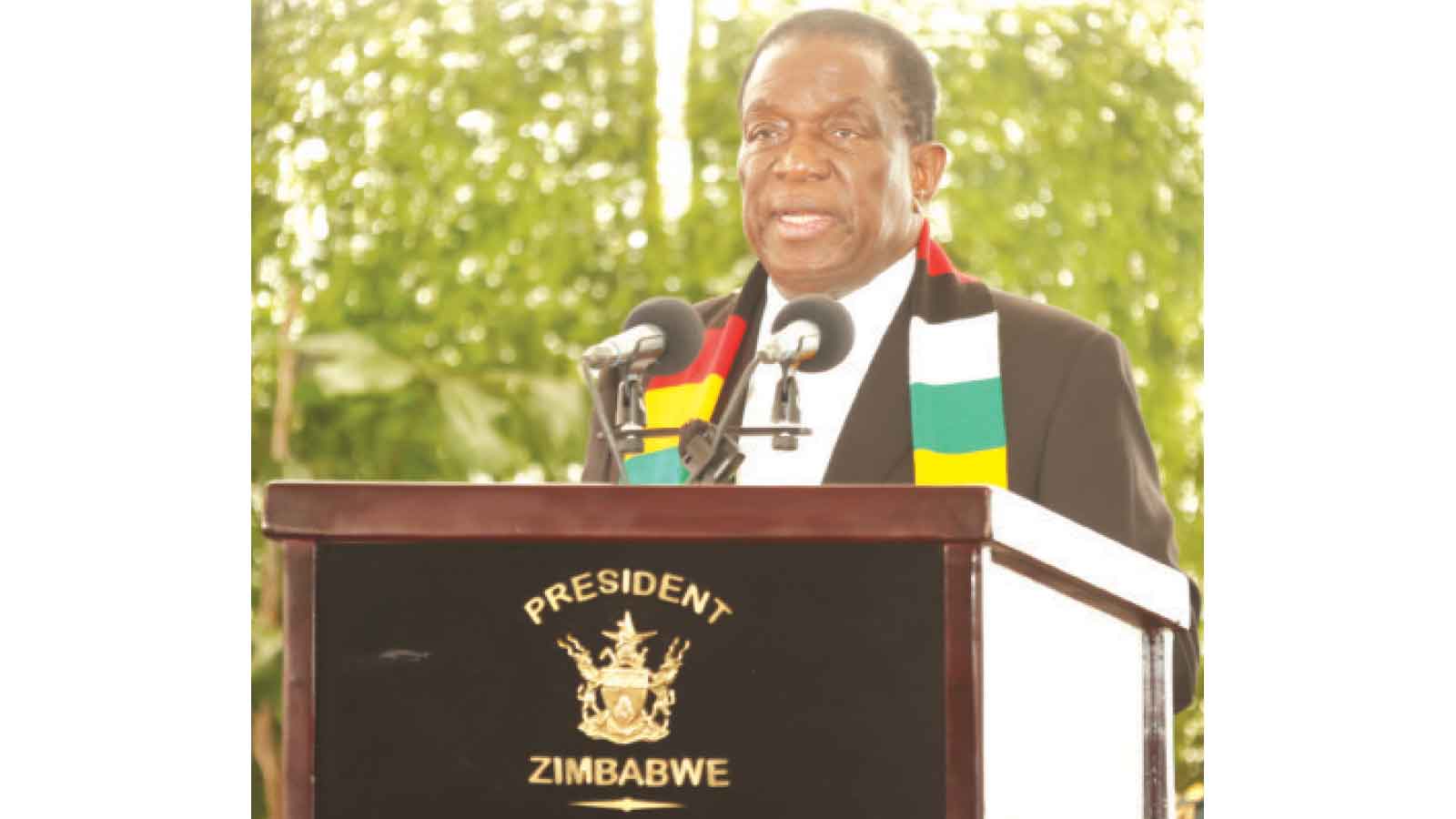
In line with President Mnangagwa’s “brick by brick” development philosophy, he diversified into livestock and poultry. He drilled boreholes to support a goat-rearing project and later ventured into poultry production, which he says has been running successfully for two years. He also owns cattle, although limited grazing space has forced him to keep part of the herd with relatives.
“I appreciate the Government for the land I received, but it is now too small for my ambitions. I need more land to expand,” he said.
Local agricultural authorities have praised his business-minded approach to farming.
Mberengwa Ward 2 Agritex officer Mr Darlington Moyo said Clr Mudzingwa’s adoption of precision farming techniques is key to strengthening food security in the district.
“We know Mberengwa is largely known for mining, but agriculture remains one of the country’s major economic pillars. Clr Mudzingwa is a good example of how farming can transform lives beyond mining,” he said.
Traditional leaders have also endorsed his initiatives.
Chief Mataruse said Mudzingwa’s agricultural enterprise reflects national development values embedded in the mantra “Nyika inovakwa nevene vayo/ Ilizwe lakhiwa ngabanikazi balo.”
“The majority of people here turn to gold panning in pursuit of quick riches. But initiatives like this show that sustainable development comes from structured, productive ventures,” he said.
Beyond increasing food production, Clr Mudzingwa’s farming operations have created employment opportunities for local youths and contributed to the district’s economic activity.