

 admin
admin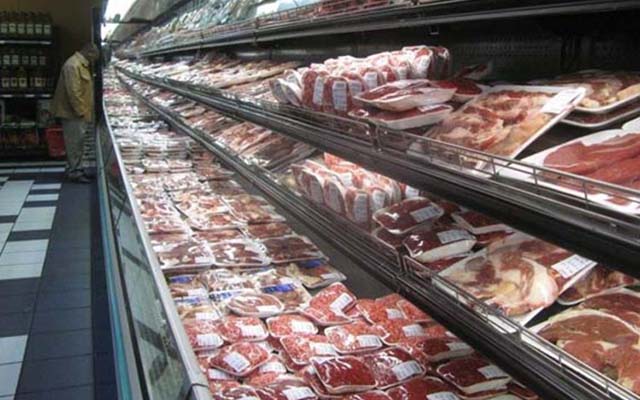
Leroy Dzenga and Sheilla Mapani Features Writers
Over the few weeks meat prices have risen, prompting households to employ austerity measures and migrate to alternatives for relish. Their quest for refuge has been met with an equally unpleasant surprise, even Kapenta prices seem to have jumped out of their usual waters.
The prices, synced with the usual high festive season demand, were a recipe for disaster or they made a lot of recipes disastrous. For small scale breeders, the prices which have been seen are a result of the price increases around the supporting systems. Mr Denny Mukundura, a pig breeder from Madziva in Zimbabwe’s Mashonaland Central, said the feed prices rose and they had to adjust accordingly.
“Feed prices recently went up, for example 50 kilogrammes of pig concentrate was $25 but now it is between $35 and $40 depending on where you are getting it from. That cost reflects on the cost of the meat,” he said.
The transportation of the feed to their respective lots has been made more expensive because of fuel prices which have risen in recent times.
“We used to buy diesel for $1,18 but it is now pegged at $1,27. These are some of the market changes that I am struggling with at the moment,” Mukundura said.
Pork, beef, Kapenta and chicken prices sprang sharply around Christmas with a kilogramme of beef going as high as $9 in some butcheries. Consumers have been on the receiving end of the belt of costs since the price madness ensued.
Supermarkets have been at the forefront of the meat price increases with their beef averaging $7 to $9 per kilogramme. Even the usually affordable Kapenta is fetching up to $18,29 in some reputable retailers as of January 2 this year. Consumers have felt the pinch.
The Consumer Council of Zimbabwe although said prices took a rise and later fell, the price of basic consumer meat like economy beef is still slightly higher than the expected average. According to the price surveys done by the industry lobby group in December, economy beef by December 21 had gone up to prices ranging between $6,49 and $8,49 depending on the retailer.
Chicken cuts were between $7,09 and $8,09 during the same period. These prices spelt a gloomy Christmas for families who had to widen their festive budgets to accommodate price hikes. It seems beef prices are going back to attainable levels as the latest CCZ market survey dated January 2 shows that costs of the economy grade has fallen $ 4,90 to $8,19.
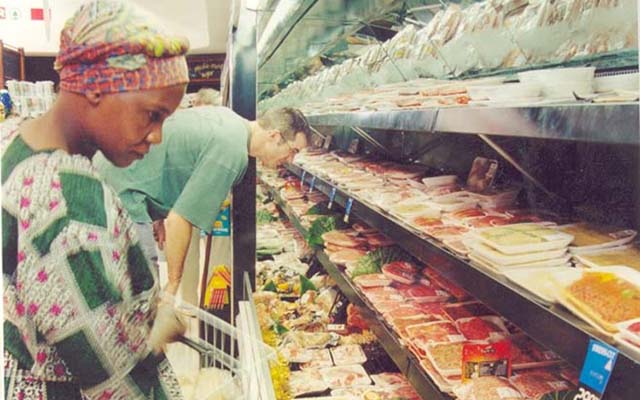
However, chicken cuts have not moved in any plausible way, in fact the range has risen between $7,59 and $8,05. CCZ Executive Director Rose Siyachitema gave a number of factors which have affected the price of meat, especially beef and chicken.
“The price of economy beef which is consumed by most consumers started rising when Statutory 20 of 2017 was gazetted end of January 2017. The statutory instrument was then repealed but meat retailers still kept their prices up,” she said.
Statutory Instrument 20 of 2017 had suggested a 15 percent Value Added Tax on a list of basic goods which include meat but it was later reversed.
“The other events which led to these current prices are the September 23 price increases which were experienced in the market. From then prices started going up gradually, by the end of November even Kapenta was ranging between $8 and $18 per kilogramme in different retailers,” Siyachitema said.
With alternatives like Kapenta appearing to be beyond the reach of many households, consumers were stuck between a rock and a hard place.
“Consumers did not have a choice and a place to escape to but at least beef is now buyable although the price of economy beef is still slightly higher than would be desired,” she said.
Usually considered to be a luxury among families, chicken has had its prices pushed up by a virus which rocked breeders across the region mid-2017.
“People have long depended on chicken but since the regional poultry industry experienced Avian flu, chicken meat has been scarce since. In shops, there was a time when you wouldn’t find chicken at all. Before September 23, a 2kg of chicken cost between $4,80 and $5,00 but over the months the cost has risen to the price of economy beef,” Siyachitema said.
Livestock and Meat Advisory Council are currently on holiday but their last industry update dated December 22, 2017 brought to the fore challenges they have faced throughout the year.
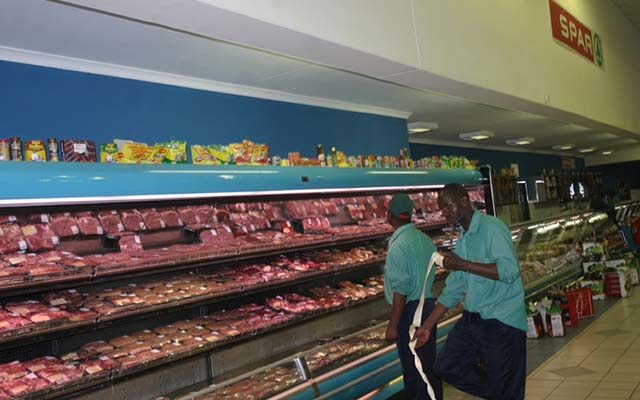
“For livestock producers and processors, it was also a year of unprecedented challenges, accessing money and inputs at a high price, and having to contend with other procurement and operational challenges.
Foot and Mouth Disease reared its ugly head and a single outbreak of Avian Influenza had a devastating impact on the poultry industry,” read the last report published on their website. According to the Meat Processors Association submissions carried on the LMAC website in November 2017, new policies like the kaylite ban also contributed to high costs in meat production.
“At the meeting held on November 3, it was noted that challenges in procuring the required raw materials and escalating production costs are impacting on the production of processed meats, with some processors now operating at only 30 percent of capacity,” read the industry update.
Packaging has proved to be a headache for meat processors.
“The update production costs have escalated with the threefold increase in the international price of sausage casings and increased packaging costs, following the banning of kaylite packaging,” the update read.
According to the meat processors; “The current duty of 40% on imported mechanically deboned meat is not in alignment with ‘the ease of doing business’ initiative and the competitiveness of the meat processing industry. It also significantly drives up the cost of production and end price to the consumer of a variety of meat products intended to be more affordable for the mass market.”
Butcheries say the prices are generated from the breeders themselves and their prices will merely be a visible market adjustment. Anesu Mushipe, a manager at a Harare butchery, said; “Normally during festive seasons, meat prices go up because cattle will be on high demand and as a result they hike the prices. Another contributing factor is that the farmers will be left with few beasts in comparison with any other season of the year so they charge.”
The prevailing cash shortages have also left the meat consumer exposed to high prices and this applies to all meat types.
“Farmers refuse plastic money when they are selling their cattle and this causes some butcheries to charge a higher price to factor in premiums when looking for hard cash,” said Mushipe.
Consumers have, however, found a way around exorbitant meat prices through forming beef committees where they collude funds to buy cattle and divide the meat among themselves.
A group of four people may pool about $90 each and go to rural areas like Muzarabani to purchase a beast then they divide the meat among themselves. Compared to buying meat in butcheries it may prove to be relatively cheaper, saving money in the process.
- Feedback: [email protected]/ [email protected]



 Online Reporter