Vusumuzi Dube in BEIJING, China
The media industry must evolve beyond its traditional role of transmitting information and increasingly focus on creating innovative, engaging and accessible media products that communicate national history and development to present and future generations, Chief Director in the Ministry of Information, Publicity and Broadcasting Services, Mr Jonathan Gandari, has said.
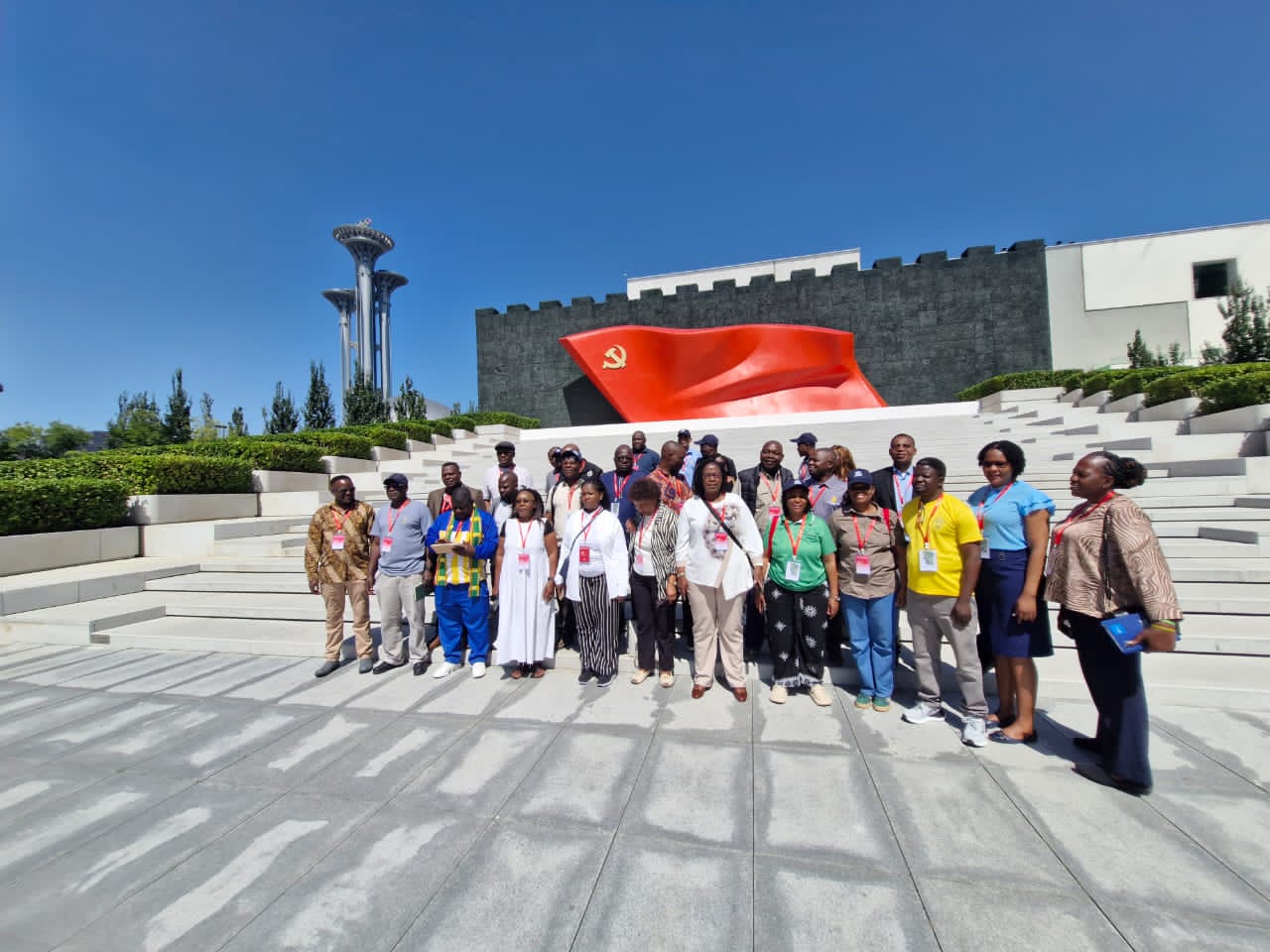
Mr Gandari was speaking on the sidelines of a tour of the Museum of the Communist Party of China by senior government offficials who are attending a Ministerial seminar for senior public management officials of Zimbabwe.
The seminar is being organised by the Academy for International Business Officials (AIBO), an institution under China’s Ministry of Commerce.
Mr Gandari reflected on the role of media, technology and creative storytelling in preserving and communicating the history and development of a nation.
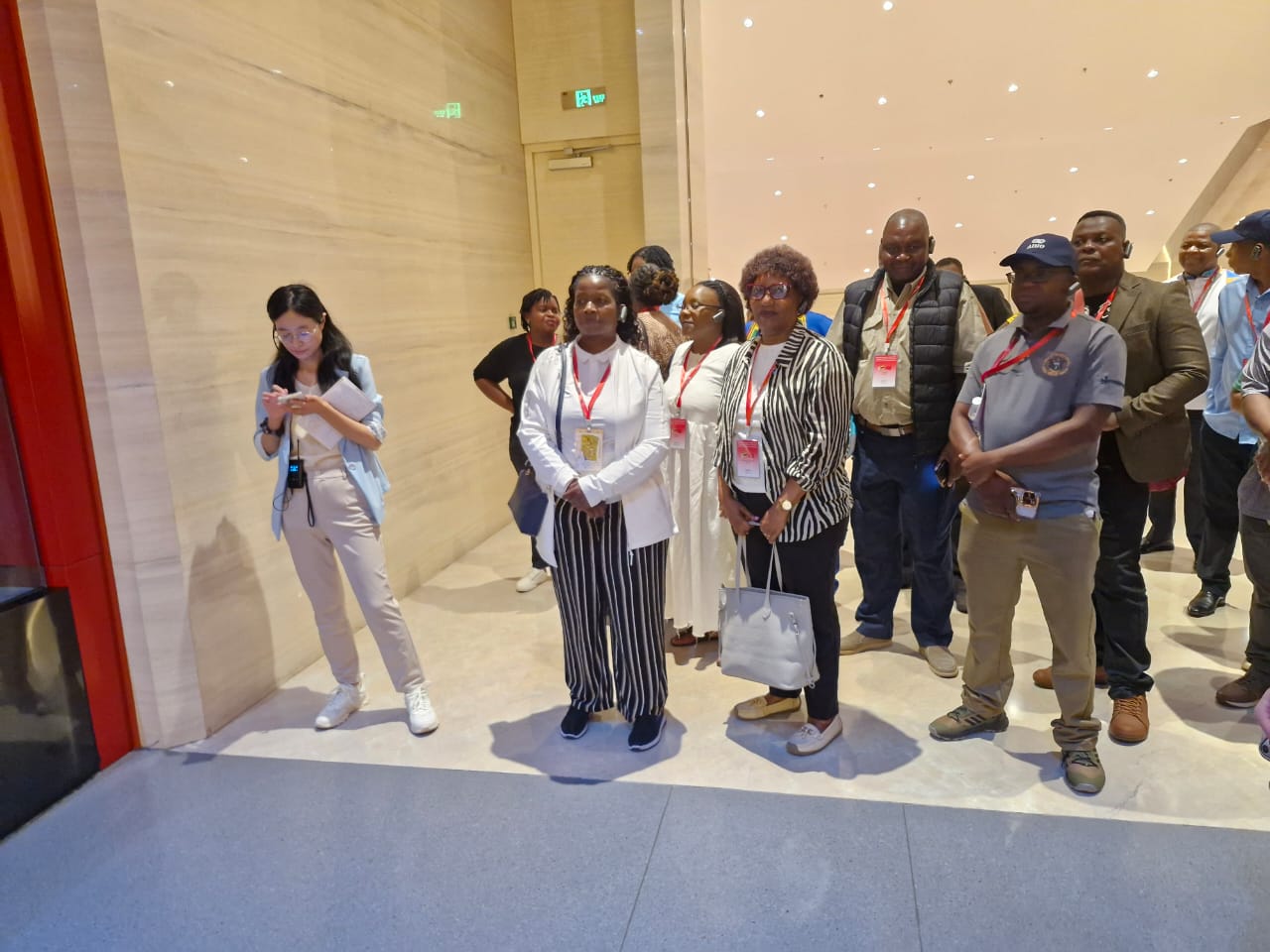
The Chief director said the museum provided valuable lessons on how history, national identity and development could be packaged in ways that appealed to people across different generations.
“One of the key lessons I took from the visit is that the media industry is transforming from being primarily concerned with transmitting information to becoming an industry that also focuses on the creation of media products,” said Mr Gandari.
He said such products should be engaging, accessible and easy to consume across generations, noting that the museum demonstrated the power of creative media and storytelling in communicating complex national messages.
The museum’s presentation of China’s history, from the birth and development of the nation to its present achievements and future projections, showed how technology and creativity could make historical information more interactive and meaningful.
“What stood out to me is that the presentation is not limited to adults or historians; even children can engage with and understand the story of the nation,” he said.
Mr Gandari said the experience brought out the need for Zimbabwe’s media industry to continuously explore innovative approaches to communicating the country’s history and development agenda.
He also challenged universities and other institutions of higher learning to place innovation at the centre of developing new ways of packaging national messages.
“Our universities and other institutions of higher learning should be at the centre of developing innovative ways of packaging key messages around our national development agenda and history,” he said.
He stressed that innovation should not be viewed solely through the lens of technology, but should also encompass creativity, media and storytelling.
The approach, he said, could support efforts to preserve Zimbabwe’s national heritage while making it more relevant and understandable to younger generations.
Mr Gandari said the museum visit had also reinforced the importance of preserving national history as a link between the past, present and future.
“History provides a connection between the past, present and future. It helps young people understand where their country came from, appreciate the progress that has been made, and understand the aspirations that shape the future,” he said.
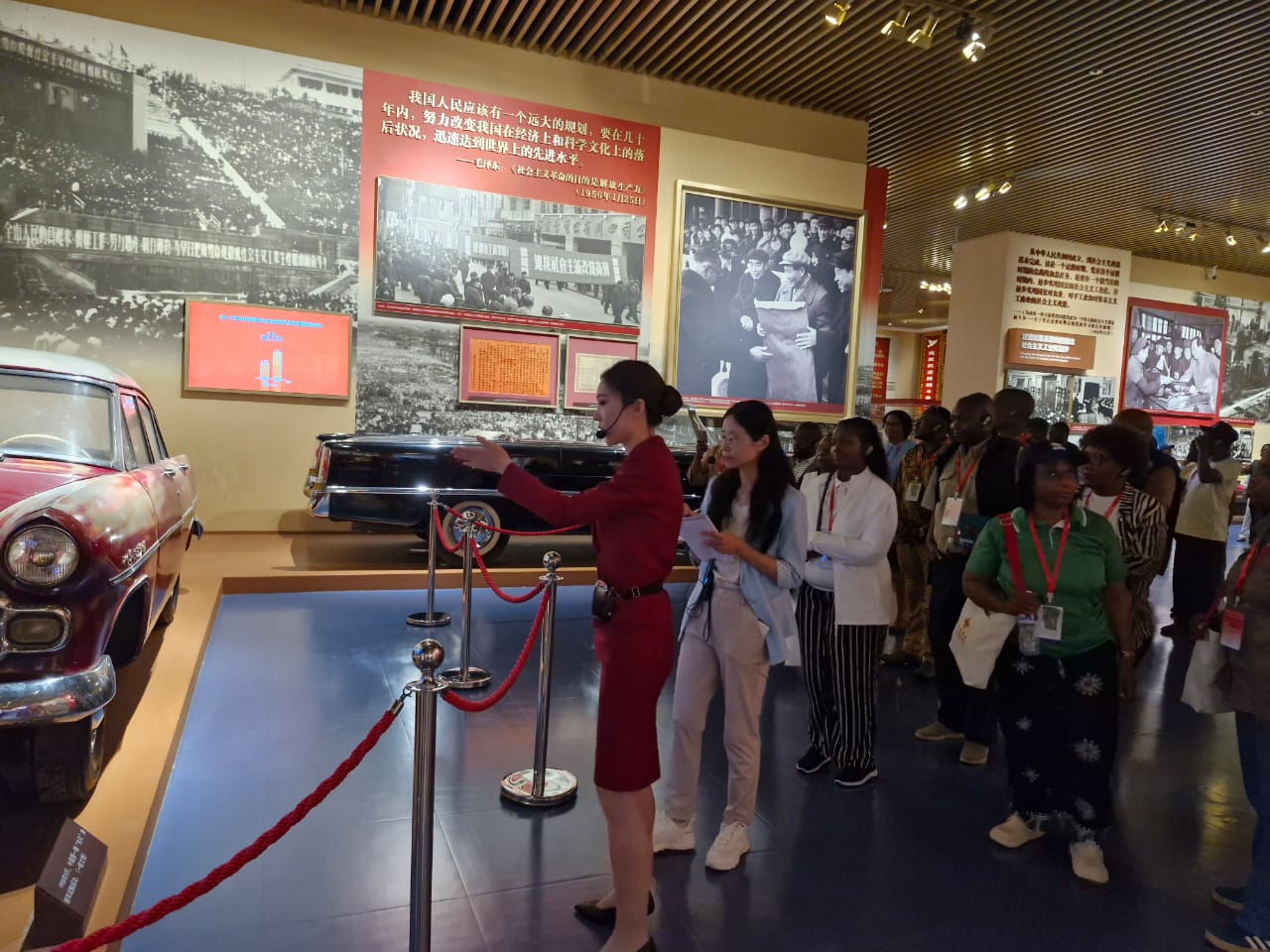
The Zimbabwean delegation, to the seminar, is being led by the Deputy Minister of Public Service, Labour and Social Welfare, Mercy Dinha and also includes Commissioner Rosemary Rubvumo Mukogo from the Public Service Commission of Zimbabwe, Ms Nditwani Muleya is the Permanent Secretary for Monitoring and Evaluation in the Office of the President and Cabinet among other senior government officials.