admin
admin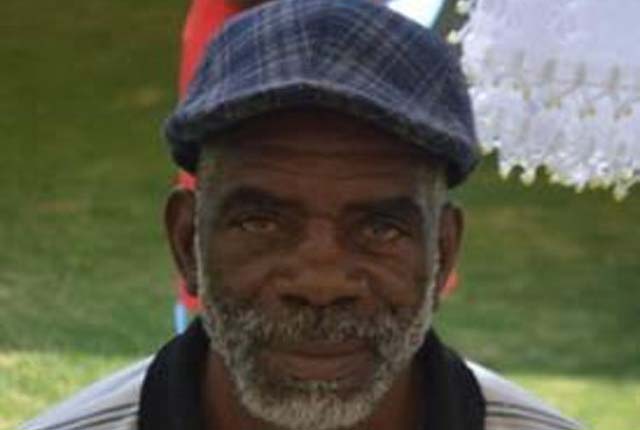
Leroy Dzenga: Features Writer
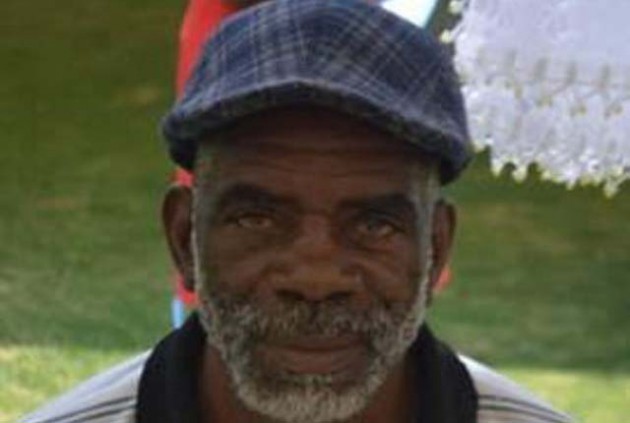
Time and again people are tempted to follow convention for proven results as they pursue their different interests. Marondera-based innovator, Rimao Chombe is a honey farmer who chose to go against the tide, exploring the creative usefulness of the honey he produces at his farm. Furnished with a curious mind and the hunger to stand out, the 60-year old Chombe explains how he started experimenting with honey extracts to discover its multiple remedies.He narrated how he discovered that honey has healing powers for all sorts of medical challenges ranging from menstrual cramps, skin cancer, hernia, fungal infections, stomach ulcers to fibroids among others.
“I started bee-keeping in 1995 at my farm, since I was working on a trial and error basis with my bees. I did not have a good yield until 1995,” Chombe said.
His third year saw him having a large amount of residuals from his honey harvest after processing the consumable honey.
“I would have a lot of wax from bees which I would just throw away due to lack of knowledge until a friend of mine showed me how the wax can be used to make hair jelly,” said Chombe.
He started trying out these wax jellies on himself until an unfortunate situation he found himself in led him to a revelation.
“At one point I did not have lotion to use and I decided to try out the bees wax on my skin. It did not stick and I used it for a few days until I had money to buy lotion,” he said.
During the time he used the honey, Chombe claims that the blackheads which were dotted around his body started to disappear and this presented him to the possibility of medicinal value hidden in honey.
“After the blackheads cleared, I was convinced that the wax was good for skin application. I then began refining the proportions until the mix was balanced,” Chombe said.
Around the year 1999, as he was running a pilot test for his honey based skin jelly, he gave a bottle to a client who used to buy edible honey from him.
“When I gave the lady a bottle of the wax jelly, she later on gave me a call and asked me if what I had given her was made from pure honey, her child who had eczema had been healed after she used the jelly on her,” Chombe said.
The information became motivation for him to try out new formulae with the bee wax. In most cases Chombe was using himself as an experimental guinea pig.
“This other time I got sick, I had diarrhoea and I was out of sorts. A last ditch attempt to eat unprocessed bee wax healed me in a matter of minutes,” he said.
His realisation opened a canon ball of experiments as he had received further confirmation that his ideas are bearing fruit.
“I started giving people with different illnesses honey to eat and waiting for their feedback. Most people who ate the mixture meant for ingestion said they were healed,” said Chombe.
According to him, his skin cream made from pure honey extracts has been confirmed to heal surgical wounds, stubborn rashes, among others. The edible pudding like cream he also sells is said to heal a range of diseases from oral thrash, gum bleeding, heartburn among other multiple health concerns. Chombe through the years turned his practice from experimental exercises to a small-scale business, a stage he is still at.
His wish is to turn his business into a large-scale setup which will aid the country`s health system with homegrown remedies. However, attempts to formalise operations have been met by unexpected impediments. Engagements with the local academia seeking plausible scientific explanations for his findings has left Chombe a bitter man.
“I approached the University of Zimbabwe and I spoke to a professor there (name provided). Unfortunately when we were still discussing the products, he relocated to South Africa,” he said.
Chombe was shocked that the man who had appeared to have little interest in his findings attempted to personalise his idea.
“At the recent agricultural show I went to the Bindura University stalls to show them my multiple honey products. The lecturers who were exhibiting called their dean to come and hear what I was saying,” Chombe said.
His shock came when the dean told him that the same professor from the UZ he had approached 10 years ago was selling similar products despite displaying a negative attitude at their first engagement. Chombe said although he was disheartened, he sees his work as a calling and knows that unless one is passionate about bee healing as he is, their products may not have the same results.
Attempts to court practising medical practitioners to endorse his work have also been met with scepticism.
“The professional doctors have not given me a chance to explain myself. My wish was that with their academic knowledge, they would help refine and identify the problems solved by my work,” Chombe said.
He lamented the money spent on Western medicines by most people seeking remedies his products can provide. Costs spent travelling to foreign countries seeking reprieve could be alleviated if people paid attention to the value found in local solutions, Chombe said.
“I get most of my clients through referalls and word of mouth conveyance of information. My heart bleeds that our own medicines have to be whispered about as if they are of a clandestine nature,” Chombe said.
His work has no religious connotations and he believes he is not the first one to explore the healing power in honey.
“I am a religious person, a Christian and in the Bible, the children of Israel ate honey and quails to survive for 40 years. I thought to myself, if honey could be a central part of a people`s diet for that long, there must be something special in it,” Chombe said.
He says although his work is innocently meant to heal, members of the apostolic sect he belongs to second guess his intentions. A mine plant technician by profession, Chombe said he made all the equipment he uses for bee-keeping himself.
“To get the best wax which is necessary for the work I do, I made my own solar extractor, which separates the wax from the residual fluid honey.”
He has also designed a solar generator and a solar plough which he uses at his farm.
“I have done these things with the knowledge I gained from the time I worked at Zimasco Mine in Shurugwi,” he said.
Chombe complained that the most frequent question he met as he approached prospective clients was about his academic qualifications.
“It is my wish to open an institute which assists people to preserve our indigenous knowledge. It is not honey only that can heal but a lot of things we interact with on a daily basis,” he said.
According to www.medicalnewstoday.com, a medical information portal, honey has multiple proven remedies which coincide with the claims held by Chombe.
It says that honey treats allergies, colds, infections, infantile gastroenteritis, among other infections. The difference may be in the processes applied in identifying the medicinal value honey holds but it seems for a self-taught honey connoisseur, Chombe`s findings are not off the mark.
He says he will not cease to attempt to break new ground with his honey products as he was recently approached by a client whose child was bitten by a snake. Chombe said he is confident the new challenge will not put a dent on his success rate and soon he will be adding a new problem which his honey products can solve.
Feedback : [email protected]



 Online Reporter