malvernmugadzikwa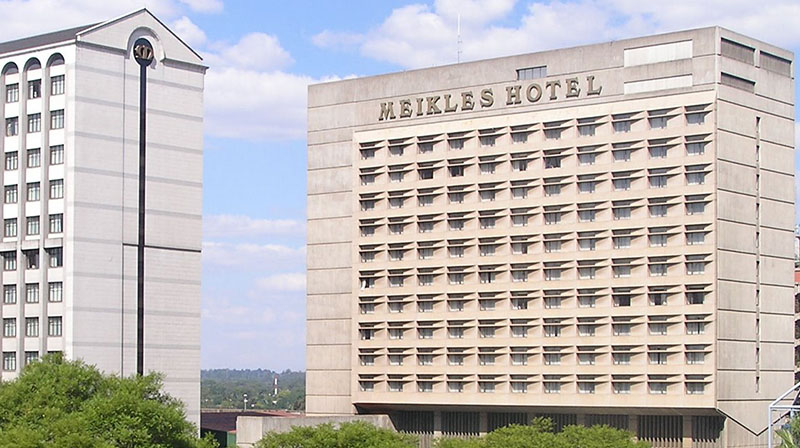
Enacy Mapakame
DIVERSIFIED hospitality group Meikles Limited has remained resilient in the year to February 29, 2024 despite the obtaining economic headwinds that threaten formal retail businesses.
The Zimbabwe Stock Exchange (ZSE)-listed firm is anchored in the retail business — the TM Pick n Pay supermarket chain.
Tanganda Tea Company was unbundled from the group before relisting on the ZSE on February 3, 2022, while the flagship Meikles Hotel, now the Hyatt Regency Harare The Meikles, was sold to Dubai-based Albwardy Investments for US$20 million in 2019.
Market watchers opine the group has managed to keep head above water in a complex operating environment, characterised by stiff competition from the informal sector.
“Despite complexities in the economic environment wherein formal retailers are mandated to use the prevailing interbank exchange rate for product pricing, Meikles managed to sustain volume altitudes enduring only 4,8 percent decline (FY24) in terms of units sold,” said FBC Securities.
“The Meikles business model is a high cash flow business, allowing the company to be more agile, responsive to market opportunities and threats. Investment in new technologies, penetration into new markets (through new stores) and pivoting strategies is seamless given limited financial resources strain,” said the research firm.
During the financial year, group revenue grew by 102 percent to $10,4 trillion. The gross profit margin was maintained at 22,8 percent, the same as last year, despite the exchange rate-induced volatility in the prices of goods.
Group net operating costs increased by 121 percent, reflecting the impact of the depreciating exchange rate.
“Most prices, including wages and salaries, were pegged in USD and converted to ZWL at exchange rates prevailing at settlement,” said company chairperson Mr John Moxon.
Finance costs increased by 21 percent to $27,5 billion.
An exchange loss arose primarily from the remeasurement of USD-denominated creditors for the supermarket segment at the exchange rate ruling at year-end.
According to Mr Moxon, creditors contributed 94 percent of the gross exchange loss of $444,3 billion.
Exchange gains on the remeasurement of bank balances and receivables denominated in foreign currency were $120,1 billion, and this, combined with the exchange losses, resulted in a net exchange loss of $324,2 billion.
Profit after tax increased by 430 percent to $469,5 billion, from $88,6 billion the previous year.
Other comprehensive income was $359,6 billion, up from $22,4 billion last year due to the exchange rate movement, which affected the translation of foreign subsidiaries.
Volumes sold by the supermarket chain, trading as TM Pick n Pay, fell by 4,8 percent due to the combined effect of uncompetitive USD prices for formal retail outlets and depressed consumer demand.
“The authorities controlled the in-store exchange rate used by formal retail players, while informal players used higher exchange rates, giving them a competitive edge,” said Mr Moxon.
However, despite this impediment, units sold in the second half of the financial year recovered by 5,2 percentage points, reducing the full-year deficit to 4,8 percent, from 10 percent at the half-year mark.
Revenue received in foreign currency during the year was below 20 percent of the total revenue.
This fell far short of the average mix of transactions conducted in foreign currency in the economy, which was 80 percent in USD, due to the uneven enforcement of the in-store exchange rate policy.
The gross profit margin was maintained at 23 percent from last year despite the volatility of ZWL prices.
While the hospitality group remains upbeat of prospects following anticipated currency stability after the introduction of the Zimbabwe Gold (ZiG) currency, the informal sector retailers continue to pose a threat to the business.
“On the backdrop of regulatory evasion by informal competition, wherein tuckshops operate with relatively lower overheads emanating from tax avoidance and minimum regulatory compliance, price undercutting remains a key downside risk to the Meikles business in our highly dollarised economy,” said FBC Securities.
“However, informal competition seems more pronounced in high-density to medium-density areas.
“The business continues to garner favourable volumes in suburban areas and low-density areas, especially stores in Borrowdale and Arundel,” added the research firm.
Revenue for the property segment increased by 30 percent in USD terms. This reflects the positive impact of the refurbishment of some of the properties.
Profit after tax increased to $40,7 billion, from a loss of $7,8 billion the previous year.



 Online Reporter