Online Reporter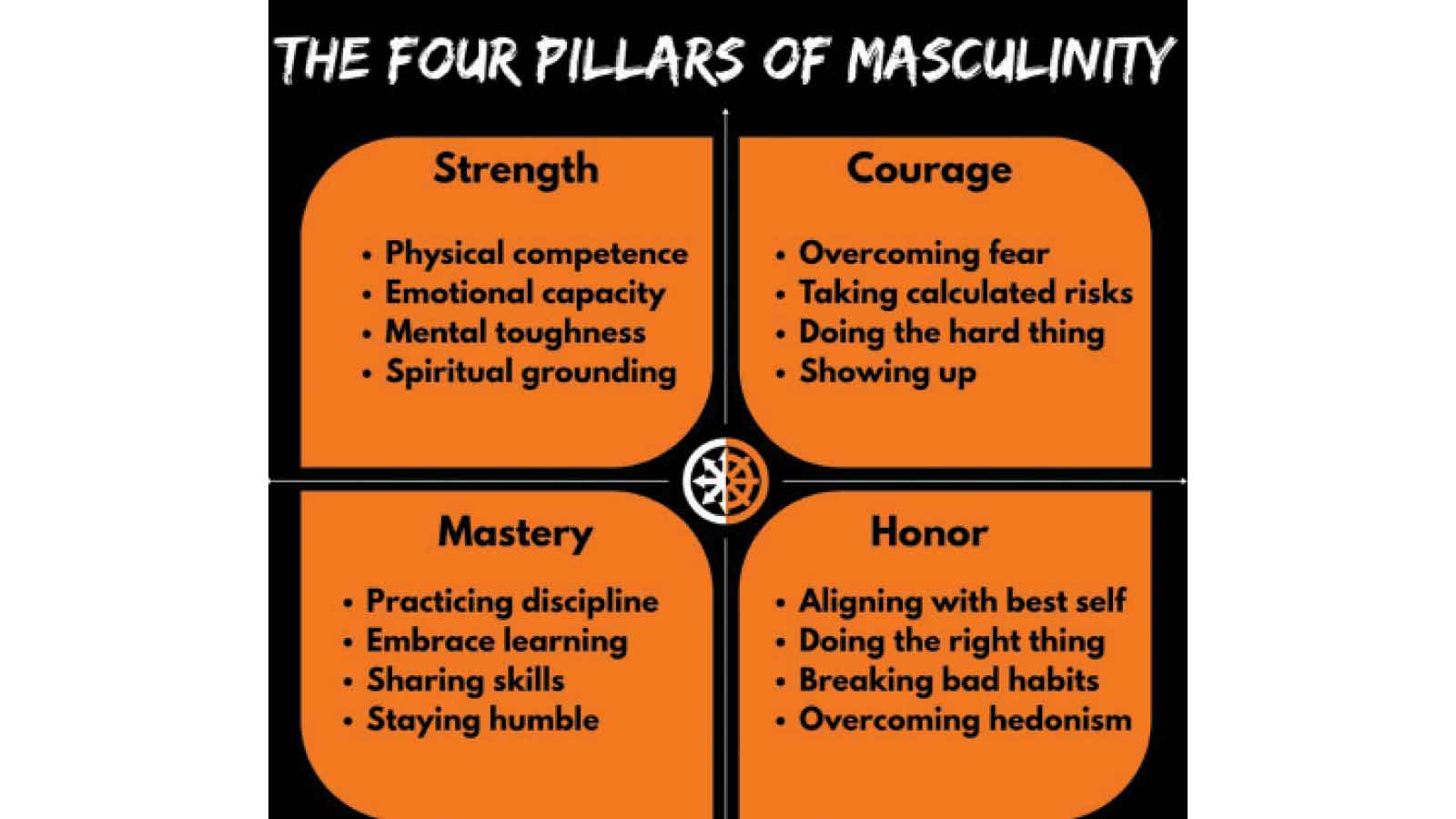
Msekiwa Makwanya
Correspondent
MASCULINITY is more than a personal identity—it is a cultural force that shapes families, communities and nations.
Yet, when distorted into dominance and control, it becomes a silent driver of violence, inequality, and broken lives.
Every headline about gender-based harm is not just a tragedy; it is a call to rethink what it means to be a man.
This article challenges the old narrative that strength equals aggression. Instead, it argues for a new definition of masculinity—one rooted in empathy, accountability, and courage.
True strength is not in silencing emotions but in embracing vulnerability, not in exerting power, but in protecting dignity.
The question is urgent: will we allow harmful norms to persist, or will we lead a cultural revolution that redefines manhood for generations to come?
Cultural Norms and Silence
Cultural norms often perpetuate harmful masculinity through jokes, attitudes, and media portrayals that normalise violence and objectification. Silence in the face of misogynistic comments or abusive behaviour reinforces these norms.
As a society we must challenge this silence by promoting active bystander interventions and community dialogue. Breaking the culture of silence is not about shaming men but about inviting them to take responsibility for creating safe environments.
Accountability and Responsibility
True cultural change begins with accountability. Men must move beyond passive disapproval to active engagement—holding peers accountable and modelling respectful behaviour.
The concept of ‘calling in’ rather than ‘calling out’ emphasizes inclusion and education over humiliation. This approach fosters dialogue and transformation, encouraging men to see accountability as a shared responsibility rather than a punitive measure.
Early Intervention and Education
Teaching boys emotional intelligence and reframing vulnerability as strength are vital steps in dismantling harmful masculinity. Early intervention in schools and homes can prevent the internalization of entitlement and aggression.
It is important to advocate for curricula that promote empathy, respect, and non-violent conflict resolution, ensuring that boys grow into men who value equality and care.
Vulnerability is often misunderstood as weakness, but in reality, it is a profound strength because it enables authentic connection, empathy, and growth.
When men allow themselves to be vulnerable—by expressing emotions, admitting mistakes, or asking for help—they break free from rigid norms that equate masculinity with dominance and emotional suppression.
This openness fosters trust in relationships and creates space for dialogue rather than conflict. In essence, vulnerability is not about being powerless—it is about having the courage to be authentic and compassionate in a world that often rewards control and aggression.
Practical Strategies for Change
Creating cultural change requires coordinated action across sectors. A multi-agency approach—engaging police officers, teachers, public transport operators, health professionals, and community leaders—ensures prevention and intervention are embedded in everyday environments.
Each professional group plays a unique role: teachers integrate respectful relationships education into curricula; police enforce laws and support community safety initiatives; transport operators promote zero-tolerance policies for harassment in public spaces; and community leaders foster dialogue and accountability.
Church leaders can leverage their influence to challenge harmful gender norms within congregations, promote messages of respect and equality, and provide safe spaces for survivors of abuse.
Members of Parliament play a critical role in advocating for and enacting legislation that supports gender equality, funds prevention programs, and strengthens accountability mechanisms.
The Ministry of Education should institutionalise Social and Emotional Learning (SEL) and Respectful Relationships Education across all schools, ensuring these principles are embedded in national curricula.
Private sector organisations, through corporate social investment, can sponsor community workshops, fund educational campaigns, and implement workplace policies that promote gender equity and safeguard against harassment.
Examples of private sector initiatives include: implementing workplace gender-sensitivity training and zero-tolerance harassment policies; funding Respectful Relationships Education and scholarships for girls; supporting public awareness campaigns against gender-based violence; creating digital literacy programs to counter online misogyny; and offering free counselling sessions or subsidised mental health services for survivors.
These efforts demonstrate how businesses can actively contribute to cultural transformation.
Beyond individual action, multi-agency collaboration should include community workshops, peer-led programs, and public awareness campaigns.
Joint initiatives between schools, law enforcement, faith-based organizations, and private companies can normalize positive masculinity and challenge harmful norms.
Digital literacy campaigns are critical to counter online misogyny and radicalisation, with agencies working together to educate young men on evaluating harmful content.
Policy advocacy—such as mandatory respectful relationships education and workplace safeguarding standards—reinforces systemic change.
This integrated approach ensures that cultural transformation is not left to one sector but becomes a shared responsibility across society.
Conclusion
Masculinity is at a crossroads. The choice before us is clear: continue clinging to outdated norms that breed violence and silence, or embrace a new vision of strength—one rooted in empathy, accountability, and respect.
Every sector of society has a role to play: faith leaders inspiring moral courage, lawmakers enacting protective policies, educators shaping young minds, businesses investing in equality, and artists amplifying voices for change.
True power is not in domination but in the courage to be vulnerable, to listen, and to act.
When men lead with compassion, they dismantle cycles of harm and build communities where safety and dignity are non-negotiable. This is not just cultural reform—it is a generational legacy.
The time to rewrite masculinity is now, and every conversation, every intervention, and every act of accountability moves us closer to a world where equality is the norm, not the exception.
Msekiwa Makwanya is an advanced social Work Practitioner. He writes in his personal capacity and can be contacted via [email protected]