Online Reporter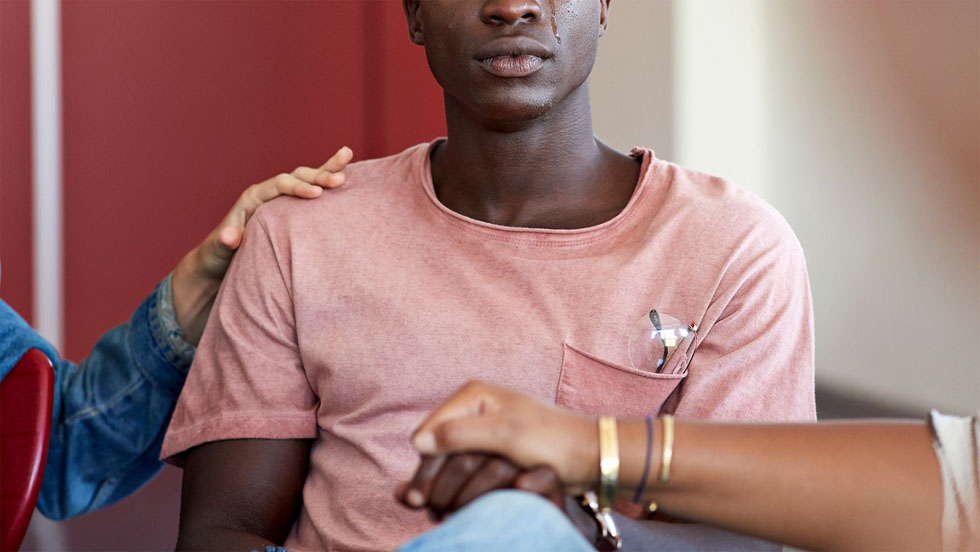
Dr Mazvita Machinga
MEN today face mounting pressures, providing for families, meeting community expectations, navigating unemployment, and coping with silent emotional burdens.
Yet many were raised to “be strong,” avoid vulnerability, or hide pain behind work, alcohol, or silence.
This creates a dangerous cycle where emotional distress goes unnoticed until it becomes depression, violence, substance misuse, or even suicide.
When men thrive mentally, families are healthier, workplaces are safer, and communities become more stable.
Barriers men face in seeking help
Many men delay seeking support because of stigma, fear of appearing weak, cultural expectations, and lack of safe spaces to talk.
This delay worsens emotional challenges, reduces productivity, and strains relationships.
Breaking this silence is not a sign of weakness, it is an act of courage and responsibility.
How men can encourage self-care
Acknowledge emotions: Naming stress, disappointment, grief, or exhaustion is the first step to healing.
Create healthy routines: Regular exercise, rest, balanced meals, and reducing alcohol help stabilise mood.
Practice meaningful connection: Talking to trusted friends, partners, pastors, or mentors improves resilience.
Take breaks without guilt: Short walks, quiet moments, or hobbies are vital for restoring emotional strength.
Use positive coping skills: Deep breathing, journalling, prayer, or grounding exercises reduce tension.
Encouraging help-seeking behaviour
Talk early, not late: Seek support from people you trust when something feels “off” not only during a crisis. You can say: “I am overwhelmed, I need someone to talk to.”
Choose a safe helper: A counsellor, doctor, pastor, or mental health worker can offer practical guidance. Sometimes it’s a phone call away. There is help available.
Challenge harmful beliefs: Asking for help is leadership; ignoring pain is not strength.
Join support groups: Peer spaces allow men to hear “I am not alone.” This could church groups for men.
Involve family: Let partners or relatives know how they can support without judgment.
Workplaces must create a supportive environment where men feel safe to speak about stress without judgment.
This includes promoting open conversations, offering confidential counseling services, training supervisors to recognize emotional strain, and reducing stigma around help-seeking.
Have a space at work where man can go and get support.
Connect them with local mental health professionals who are registered.
Flexible schedules, reasonable workloads, and wellness programmes such as stress-management sessions also strengthen well-being.
Encouraging peer support and modelling empathy from leadership helps men feel valued, seen, and supported.
Food for thought
If men are taught to carry everything alone, who carries them when they break? True strength is not silence, it is choosing healing before pain becomes permanent. Seek help , it is available
Dr Mazvita Machinga is a qualified mental health professional who is based in Mutare. For any mental health and psychological support call 0771754519 or 0778838410