By Cynthia Pelagia Guma
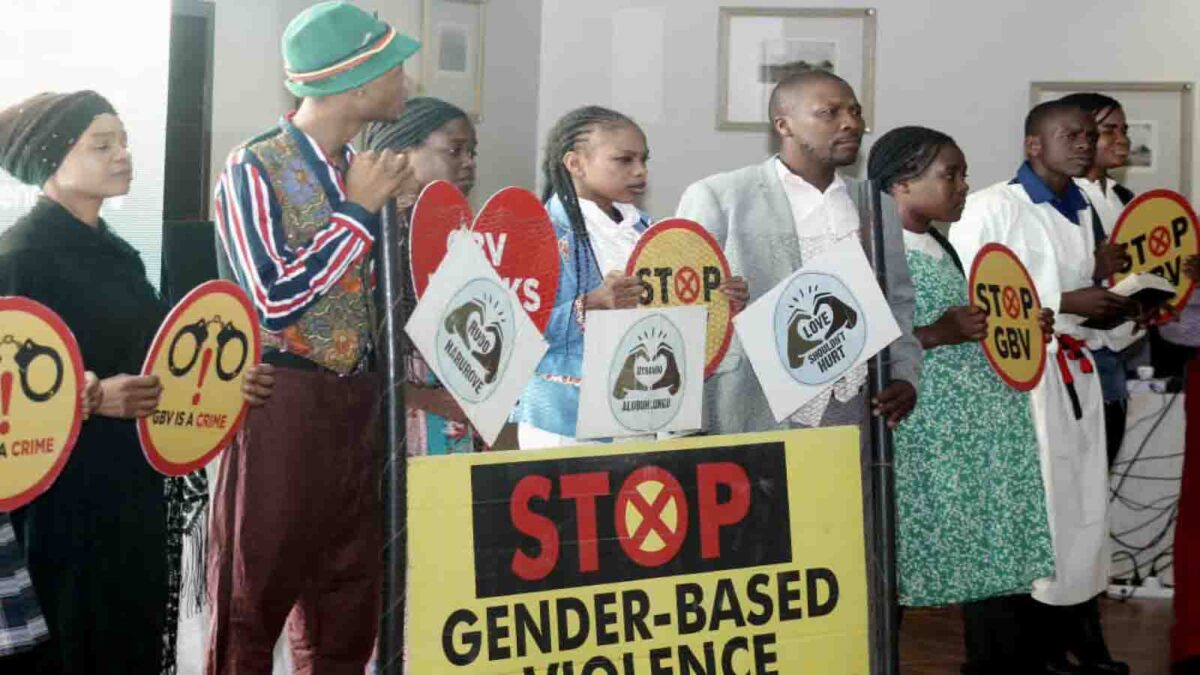
MEN have been challenged to abandon harmful notions of masculinity that promote dominance, control and violence, and instead become active champions of safer families and communities.
The call came at Zimbabwe’s inaugural National Men’s Conference yesterday, where Government pledged to intensify efforts to engage men and boys in preventing gender-based violence (GBV).
Women Affairs, Community, Small and Medium Enterprises Development Minister Monica Mutsvangwa said men could no longer afford to remain on the sidelines in the fight against abuse and harmful cultural practices.
She said men had a responsibility to challenge attitudes that fuel violence, promote respectful relationships and create communities where everyone enjoyed equal rights and protection.
“Gender equality does not ask men to be less; it calls upon men to be more present as fathers, more respectful as husbands and partners, more responsible within their families, more courageous as leaders, and more willing to speak out against injustice and violence,” said Sen Mutsvangwa.
Held as part of activities leading up to the 16 Days of Activism Against Gender-Based Violence campaign, the conference brought together Government officials, parliamentarians, civil society organisations, religious and traditional leaders, academics and men’s organisations.
It provided a platform for men to examine their role in preventing violence and confronting attitudes that perpetuate abuse.
Sen Mutsvangwa said traditional perceptions of manhood, which associate masculinity with dominance, control and emotional toughness, needed to change.
She urged men to embrace empathy, emotional intelligence, accountability, peaceful conflict resolution and shared decision-making, saying genuine strength lay in protecting and supporting others rather than intimidating them.
“True strength is measured by our ability to protect, support and uplift others, not by how much we dominate or control them,” she said.
The Minister stressed that empowering women and promoting equal opportunities should not be viewed as a contest between the sexes or an attempt to diminish men’s contribution to society.
She challenged men and boys to reject victim-blaming, support survivors and confront behaviours that enable abuse.
“Silence in the face of violence should never be mistaken for neutrality,” she said, urging men to speak out against abuse and help ensure perpetrators were held accountable.
In a significant policy development, Sen Mutsvangwa revealed that her Ministry was developing a Male Engagement Strategy to guide Government interventions aimed at promoting positive masculinity and strengthening men’s participation in the fight against GBV.
She said contributions from the inaugural conference would help shape the strategy, translating policy commitments into practical interventions that address challenges facing communities.
Government, she added, was determined to move beyond policy declarations and implement programmes that delivered measurable results.
Zimbabwe’s commitment is anchored in the Constitution and supported by key frameworks, including the National Development Strategy 2, National Gender Policy (2025), High-Level Political Compact on Ending Gender-Based Violence and Harmful Practices in Zimbabwe (2021–2030), and National Strategy to Prevent and Address Gender-Based Violence (2023–2030).
Sen Mutsvangwa said sustained investment in community mobilisation, mentorship, capacity development, research and institutional accountability would be critical to ensuring male engagement initiatives achieved lasting impact.
She also urged traditional and religious leaders to use their influence to challenge harmful cultural practices and promote human dignity and peaceful coexistence.
To ensure continuity beyond the inaugural gathering, the Minister announced that Government would establish an annual national male engagement platform in partnership with Parliament, development partners, civil society, the private sector, academia and communities.
The initiative would be supported by programmes at community and institutional levels.
Sen Mutsvangwa said the conference should mark the beginning of sustained dialogue and action, with men and boys taking greater responsibility for building safer homes and communities.
“Let us carry the conversations, commitments and resolutions from this conference into our homes, communities, workplaces and institutions, and translate them into tangible action for a more equal, peaceful and prosperous Zimbabwe,” she said – New Ziana