Moffat Mungazi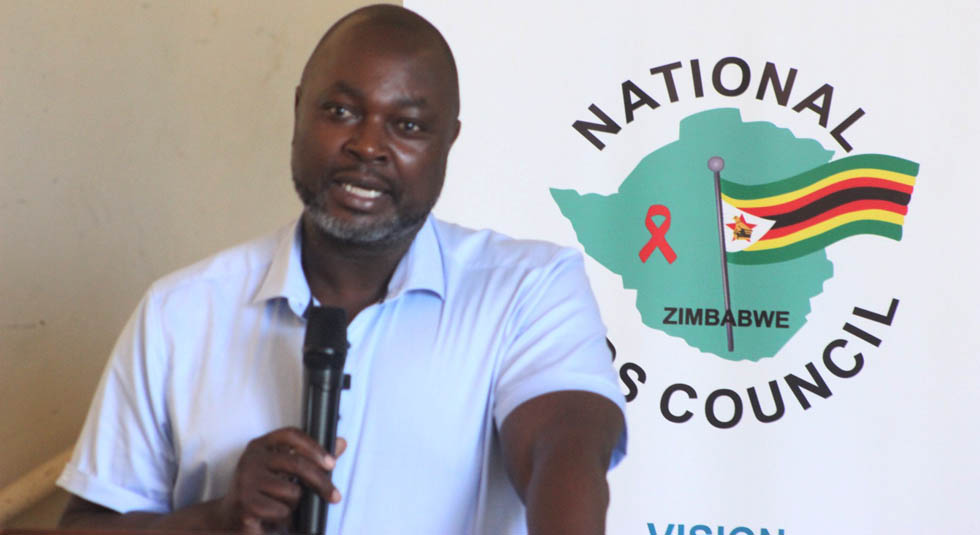
Tendai Gukutikwa
Health Reporter
MEN have been challenged to prioritise HIV testing and treatment, as new data reveals that they are 1,6 times more likely to present with Advanced HIV Disease (AHD) than women — a condition that continues to claim lives despite advancements in HIV care.
Zimbabwe Health Interventions chief of party, Dr Tich Nyamundaya has raised alarm over the silent threat of AHD, especially among men, often delaying seeking health services.
“AHD is a killer. In Sub-Saharan Africa, more than a third of all people living with HIV and initiated on antiretroviral therapy (ART) have AHD, and approximately 10 percent die within the first three months,” he said.
In Zimbabwe, the picture remains as worrying.
Recent data from the Ministry of Health and Child Care’s AIDS and TB Unit shows that 37 percent of newly diagnosed HIV-positive individuals present with AHD.
Even more concerning is that 10 percent of these individuals do not survive beyond 90 days following their diagnosis.
“Despite the fact that we have reached epidemic control, we are now seeing a stagnation in the reduction of HIV-related deaths. That is a sign that we need to refocus our efforts,” he said.
AHD is a clinical stage of HIV infection characterised by a CD4 cell count below 200 cells/mm³ or the presence of World Health Organisation (WHO) Stage 3 or 4 clinical conditions.
The most common causes of death among adults with AHD are severe opportunistic infections like — tuberculosis (TB), severe bacterial infections, and cryptococcal meningitis — all of which are among the most common causes of death for adults with AHD.
“Men are 1,6 times more likely to present with AHD compared to women. That statistic alone tells us that men are seeking care too late.
“We must change this. We must encourage men to test and treat early, and stay on treatment consistently,” said Dr Nyamundaya, stressing the need to identify high-risk individuals, and screen them for AHD before ART is initiated or resumed.
These include people newly diagnosed with HIV, individuals who were previously diagnosed, but not yet on ART, those who stopped ART for 90 days or more and have returned to care, and patients on ART, who are suspected of treatment failure.
“These groups must be offered a package of AHD care, which includes screening for TB, bacterial infections, and cryptococcal meningitis, before starting ART. If these infections are detected early and treated, we can save lives,” he said.
He said children under five years old with HIV are considered to have AHD by default unless they have been on ART for at least a year and are clinically stable.
According to WHO data, more than 80 percent of children under five start ART already in WHO Stage 3 or 4 disease or with severe immune suppression.
Among children, leading causes of death include TB, severe bacterial infections, Pneumocystis jirovecii pneumonia, diarrhoeal diseases, malnutrition, and wasting.
“This is why strengthening paediatric HIV care is not optional, it is essential,” said Dr Nyamundaya, warning that even after starting ART, individuals with AHD remain at high risk of death from serious infections unless they receive comprehensive care.
“ART alone is not enough. Screening, prevention, and treatment of opportunistic infections must be part of the package,” he said, also cautioning about Immune Reconstitution Inflammatory Syndrome (IRIS), a condition where the recovering immune system begins attacking latent infections after ART is initiated.
“It is another reason why careful screening before ART is important,” he said.
To reduce deaths and improve health outcomes, he recommended implementation of a four-pronged AHD care strategy, consisting of screening, treating, optimising ART initiation and preventing infections.
“Preventive interventions such as co-trimoxazole, TB preventive therapy, fluconazole, and essential vaccinations like pneumococcal, HPV, measles and BCG are life-saving.
“These should be available and accessible,” said Dr Nyamundaya, calling on all citizens, especially men, to go and get screened without delay.
“If you have HIV and stopped ART for more than 90 days, go and get screened for AHD today. If you have never been tested, now is the time. Your life depends on it,” he said.


 Online Reporter