Rudawiro Katsande
Herald Correspondent
Men have been challenged to take greater responsibility in the fight against gender-based violence (GBV), with calls for them to confront harmful notions of masculinity, hold one another accountable and become active partners in promoting gender equality.
The call was made at the Inaugural National Men’s Conference held under the theme, “Men as Allies: Collective Action for Gender Equality”, where gender advocates stressed the need to involve men and boys in addressing violence against women and girls.
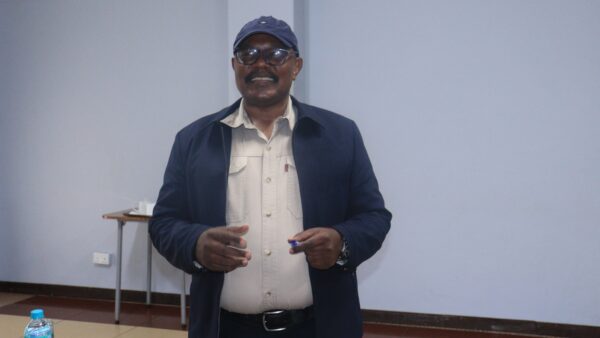
Fathers Against Abuse representative Mr Alois Nyamazana, who was representing the Zimbabwe Men’s Gender Network, said involving men was critical because they accounted for the majority of GBV perpetrators and therefore needed to be part of efforts to address the problem.
Citing research, Mr Nyamazana said one in every three women in Zimbabwe experienced GBV, while statistics covering May to October 2026 showed that women accounted for approximately 89 percent of deaths resulting from intimate partner violence.
He argued that efforts to end the violence would not succeed if men were excluded from discussions and interventions aimed at changing harmful behaviour.
“When we are calling for a ceasefire, we target the soldiers, the military, for disarmament. So in the process of preventing gender-based violence, we cannot leave men in these conversations because we are saying they are the main perpetrators and we also need to then work with them to see how we can then prevent gender-based violence,” he said.
Nyamazana called for a shift in how men were viewed in the fight against GBV, saying they should not only be regarded as perpetrators but also as people capable of driving change.
“Going forward, we no longer want to just look as men as perpetrators, but we need to start viewing them as part of the solution,” he said.
He identified accountability among men as one of the important ways of addressing violence, noting that men were often more receptive to messages from their peers.
Mr Nyamazana urged men to speak out when they witnessed abusive behaviour among their friends, brothers and relatives instead of remaining silent.
“For example, when I see my brother maybe abusing his wife, it’s much easier for me to engage my brother to say, but Omnimi, what you are doing is wrong,” he said.
He added that men should also challenge online violence, saying their participation in condemning technology-facilitated GBV could help promote accountability in digital spaces.
PADARE/Enkundleni Men’s Forum on Gender programmes officer Ziphongezipho Ndebele, who was representing Mr Walter Vengesai, also called for changes in the waMr y boys and girls were raised, arguing that society often paid more attention to the harmful expectations placed on girls while overlooking those imposed on boys.
Mr Ndebele said boys were sometimes raised to believe that dominance, aggression and the suppression of emotions were part of being a man, attitudes that could later contribute to violence.
He called for both boys and girls to be included in conversations about gender equality and GBV prevention.
“What I’m encouraging is that let’s include, let’s involve both boys and girls, men and women when we are talking about these issues of gender-based violence,” he said.
Mr Ndebele urged men to reject social expectations that encouraged violence and instead embrace caring and non-violent behaviour.
He also highlighted the need to challenge the belief that men should not express emotions or seek help when facing personal difficulties.
“I’m calling upon men, that is okay not to feel okay, and it’s okay to look for help,” he said.
He said such expectations were also affecting men’s mental health and health-seeking behaviour, with some reluctant to seek counselling or medical attention for fear of being considered weak.
A survey conducted by PADARE on issues affecting men’s mental health found that more than 75 percent of men felt that a man could not be emotional.
He encouraged men to seek medical attention and counselling when necessary, adding that taking care of their health was also part of their responsibility towards their families.
Mr Nyamazana also raised concerns about harmful ideas of masculinity, saying some men were socialised to suppress their emotions and deal with challenges without seeking assistance.
“Sometimes we are also victims of masculinity. Sometimes we are victims of the patriarchy because men are raised with certain beliefs, with certain practices,” he said.
He called for platforms where men could openly discuss mental health, relationship difficulties and economic challenges, noting that some men experiencing GBV also lacked spaces where they could report their cases.