Online Reporter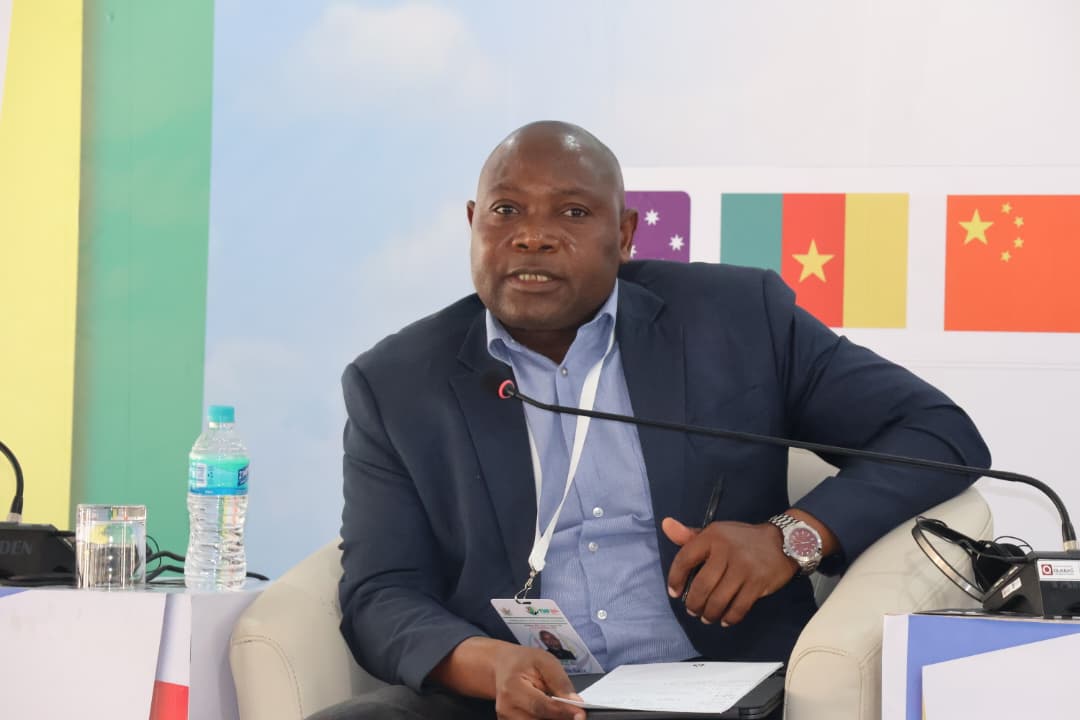
Theseus Mauruki Shambare
MENTAL health should be treated as an integral component of workplace safety and social security, particularly as poor mental wellbeing can affect productivity and increase the risk of occupational accidents, the National Social Security Authority (NSSA) has said.
NSSA Director of Social Security and Benefits, Actuarial and Schemes Development, Mr Shepherd Muperi, said mental health was an important component of occupational safety and health and should receive greater attention in workplaces.
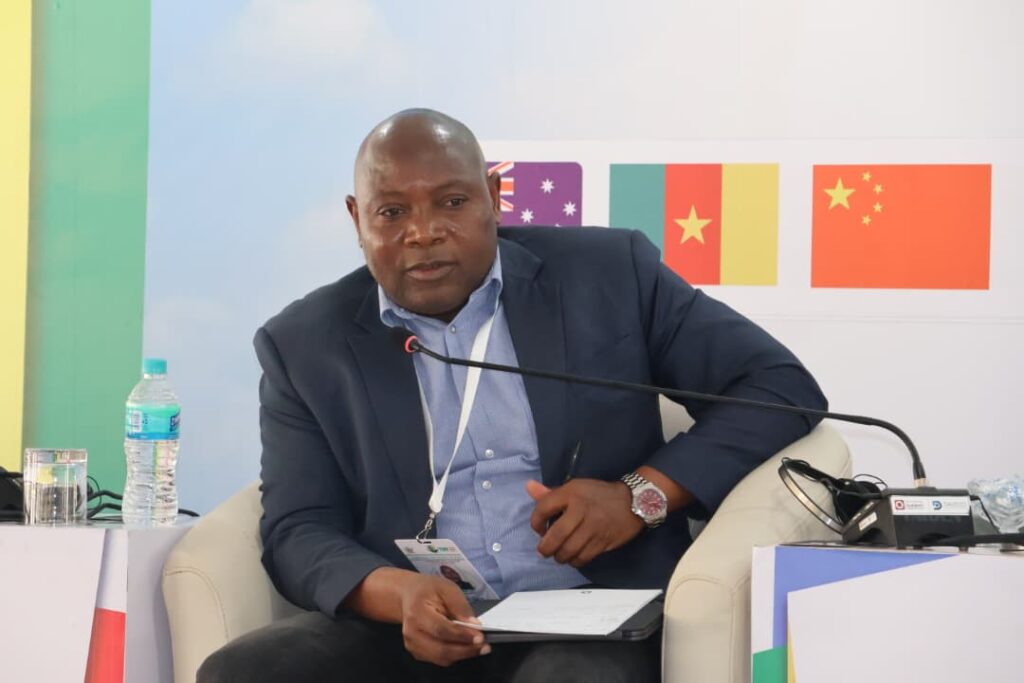
Speaking during a panel discussion at the ongoing Zimbabwe Tripartite Negotiating Forum Global Summit in Victoria Falls, Mr Muperi said workers needed to be in the right mental state to safely perform their duties, particularly where their jobs involved machinery and other potentially hazardous operations.
“Mental health is central to social security, occupational safety and health,” he said.
Mr Muperi said mental health challenges could affect concentration and a worker’s ability to perform tasks safely, with implications for both productivity and workplace safety.
He cited machinery operators as an example, saying a worker who was not in the right mental condition could pose a safety risk to themselves and others.
“Poor mental health can affect productivity and lead to workplace accidents,” he said.
Mr Muperi said NSSA was promoting occupational safety and health interventions that include mental health, with the authority seeking to assist workplaces and communities to address such challenges.
Mental health, he said, should not be viewed only as a medical issue requiring treatment after a person develops a serious condition, but should also be incorporated into preventive workplace health and safety measures.
“Mental health is linked to broader social security obligations and Zimbabwe’s approach is guided by international standards,” he said.
He said International Labour Organisation Convention 102, which sets minimum standards of social security, includes access to healthcare.
“ILO Convention 102 includes access to healthcare, including mental health, as a minimum social security standard,” he said.
Mr Muperi said workplaces therefore had a role to play in creating environments where employees could access appropriate support and interventions when facing mental health challenges.
He said addressing mental health in the workplace could help protect employees while supporting productivity and reducing risks associated with workers performing duties when they were not in the right condition.
“For NSSA, occupational safety and health therefore extends beyond protection from physical hazards to include factors that affect workers’ wellbeing and ability to work safely,” he said.