admin
admin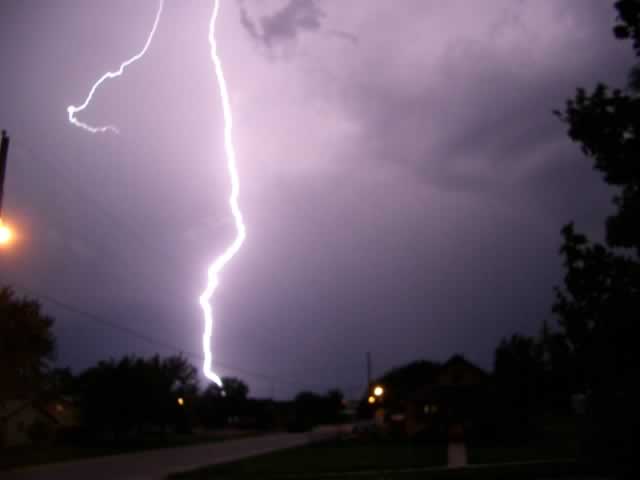
Elita Chikwati Harare Bureau
THE Meteorological Services Department has warned of heavy storms associated with violent winds, lightning, hail and flash flooding starting this weekend. The provinces at high risk are the Midlands, Masvingo, Mashonaland East and Manicaland. The Met Central Forecast Office said the public must exercise great care, warning of falling trees and damage to infrastructure.
Rainfall in excess of 50mm is expected starting Saturday through to Wednesday next week.
A series of very active low pressure systems are expected to be anchored over central Zimbabwe, and these should bring widespread heavy rain.
“While noting that weather patterns may change abruptly, as of now, indications are that people in the mentioned areas should brace for sharp downpours, damaging winds, lightning, hail and flash flooding,” the Met said in a statement.
Yesterday, high rainfall was received in different areas with Guruve receiving 112mm, Rusape Rail 107mm, Mvurwi 96mm, Mutare 54mm, Chivhu 43mm, Zaka 41mm, Chinhoyi 32mm, Chisengu 30mm, West Nicholson 29mm and Kwekwe 28mm.
The Met advised motorists not to attempt to cross flooded low-lying areas. “People should not attempt to cross streams or rivers which are flooded. Rivers can flood due to rains that have fallen upstream. Therefore, people must exercise caution at night when approaching low lying bridges,” the department said.
“People should not take shelter under trees during thunderstorms as there is enhanced risk of being struck by lightning.”
Motorists are also discouraged from parking vehicles under big and old trees as these may fall down. “There’s danger of electricity poles falling over, thus increasing the risk of electrocution when cables are handled carelessly.”
Zimbabwe is expecting normal to above normal rainfall in most parts of the country, although the onset of the rain season was delayed by over a month.
Last year’s heavy rains resulted in floods in Tokwe Mukorsi, mud-slides in Domboshava and property destruction across the country. But the rains also saw farmers realise a bumper harvest.



 Online Reporter