Online Reporter
Patrick Chitumba, [email protected]
MAJOR dams in the Midlands Province have begun spilling following a month of heavy rains, bringing relief to farmers who are now anticipating a bumper harvest. The dams form part of the Integrated Rural Water Supply (IRWS) system, which plays a critical role in sustaining agricultural production and meeting community water needs across the province.
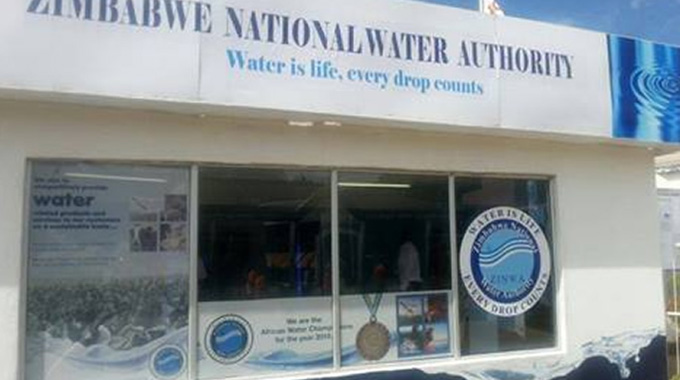
Zimbabwe National Water Authority (Zinwa)’s head of corporate communications and marketing, Mrs Marjorie Munyonga, said the ongoing rains across much of the country continued to push water levels higher in major dams.
“As of January 26, 2026, the national dam level average had risen to 90 percent. The dam level average for the Midlands province stood at 92,8 percent and most of them are now full and spilling, making the province highly water secure ahead of the 2026 winter cropping season,” she said.
Mrs Munyonga said dams that supply water to towns, cities, growth points and rural service centres in the province had also recorded significant inflows and were holding volumes sufficient to meet domestic demand. Amapongokwe Dam, Gweru’s main water source, now holds 37 587 million cubic metres, reflecting a six percent rise since the beginning of January. Gwenoro Dam, a key water body in the Runde catchment, has reached 29 554 million cubic metres, also a six percent increase over the same period.
“Sebakwe Dam, which supplies Kwekwe City, is at 86,5 percent, Lower Zibagwe 100 percent, Gwenoro and Amapongokwe, which supply Gweru, are all at 100 percent. Mundi-Mataga Dam in Mberengwa is at 100 percent, Exchange is also at 100 percent, Shurugwi and Insukamini are at 100 percent among others,” said Mrs Munyonga.
She urged water consumers to maintain responsible usage despite the healthy dam levels.
The Minister of State for Midlands Provincial Affairs and Devolution, Owen Ncube, said the province was encouraged by the dam spills. He noted that Midlands has the potential to utilise up to 90 000 hectares of arable land using developed water bodies and underground sources such as boreholes and aquifers.

“We are thrilled to see the dams full. This means we can plant and irrigate our crops, and our livestock will have enough water to drink,” said Minister Ncube. “We commend the Second Republic for spearheading the rehabilitation of water bodies across the province in line with Vision 2030 and leaving no one and no place behind.”
He said the province, which falls under ecological regions three and four, was well positioned for an agricultural revival. He added that maize, cotton and beef production were set to benefit, with small-scale farmers — who make up 75 percent of the farming community — hopeful of improving their livelihoods. Minister Ncube said the province was poised to take advantage of rainfall ranging from 450 to 1 000mm per year.
Mr Munyaradzi Chimba, a farmer from Mataga Growth Point in Mberengwa District, said they were optimistic about having reliable water for irrigation at the Mundi-Mataga irrigation scheme throughout the year.
“The rains have brought relief to an area that often struggles with water scarcity. We are optimistic that this will translate to food and nutrition security for our communities,” he said.