Online Reporter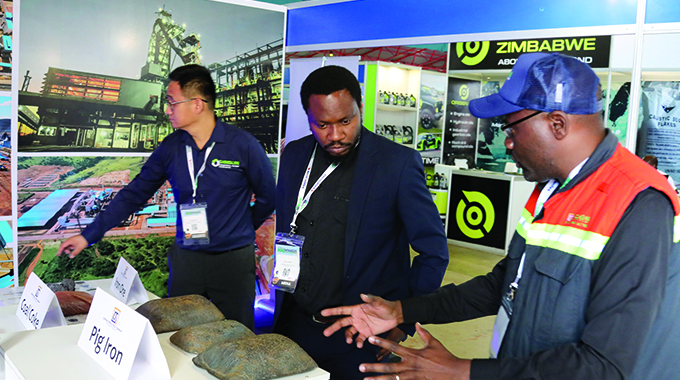
Sikhulekelani Moyo and Elliot Ziwira
Small-scale miners, often operating in remote and rugged terrains, may not command the attention or machinery of global mining giants, but their contribution to the world’s mineral supply chain is immense.
From gold panners in the valleys of Insiza District in Matabeleland South, to gemstone diggers in the hills of Mutoko, Mashonaland Province, these miners form the heartbeat of a trillion-dollar global industry.
Across Africa, Asia, and Latin America, small-scale and artisanal miners produce nearly 20 percent of the world’s gold, and significant portions of minerals like cobalt, tin, and lithium, which are essential for green technologies; from electric vehicle batteries to solar panels.
What many may dismiss as informal or rudimentary work sustains millions of households and powers the clean energy transition.
In Zimbabwe, this reality is even more pronounced.
Small-scale mining goes beyond livelihood trajectories to become a cornerstone of national survival and economic resilience. Employing over 300 000 people, the sector now delivers more gold than large-scale mining companies, making it one of the country’s most critical foreign currency earners.
Yet, despite their importance, small-scale miners face persistent hurdles, including limited access to capital, outdated technologies, lack of geological data, environmental concerns, and the need for stronger regulation and professionalisation.
This is where Mine Entra comes in.
Since its inception in 1995, the Mine Entra Expo has evolved into Zimbabwe’s premier platform for showcasing innovation, investment, and collaboration in the mining, engineering, and transport sectors.
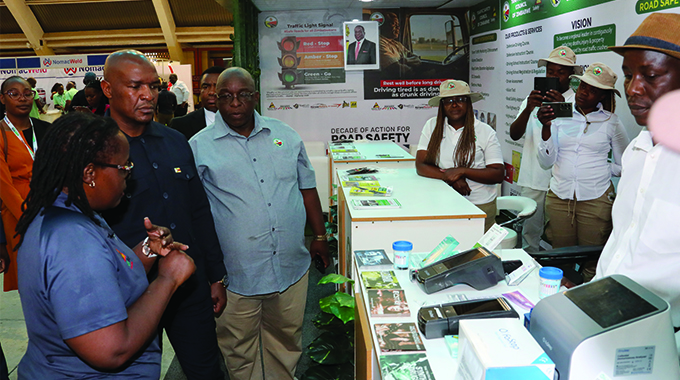
Organised by the Zimbabwe International Trade Fair (ZITF) Company in partnership with the Ministry of Mines and Mining Development, the Chamber of Mines of Zimbabwe, and the Zimbabwe Miners Federation (ZMF), Mine Entra is a bridge between informal miners and the formal economy, and not just an exhibition.
Running under the theme “Beyond Extraction: Sustaining the Future of Mining”, the 2025 edition of Mine Entra is not only celebrating technological progress, but also advancing the conversation on sustainable mining, formalisation, and inclusive growth.
According to Young Miners Foundation (YMF) chief executive officer, Mr Payne Kupfuwa, Mine Entra has been a critical driver of growth for Zimbabwe’s small-scale miners.
“Most of the developments that happened within the YMF and the small-scale miners’ community are benefits from Mine Entra, where we have been able to get affordable supplies, investors, and key services,” he recently said in an interview.
“We also benefit from informative conferences, which give insights and oversight of what is going on in the industry.”
For many small-scale operators, Mine Entra is where ideas translate into partnerships. It is where a miner from Gwanda, Matabeleland South, might meet a supplier from China, or a policymaker from Harare, and walk away with tools, contacts, and knowledge that transform operations back home.
Small-scale miners in Zimbabwe have long sought to shed the label of “artisanal”, a term often associated with informality and environmental degradation.
However, through engagement at Mine Entra, players are redefining their image. They are entrepreneurs, job creators, and economic contributors deserving of recognition and support.
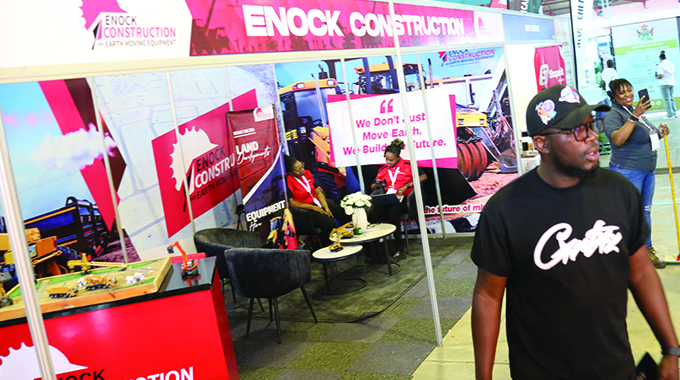
Mr Kupfuwa highlighted that the expo has helped miners explore new mineral frontiers beyond gold, including gemstones, lithium, and chrome, broadening the country’s mineral portfolio and aligning it with global demand trends.
The ZMF Small-Scale and Artisanal Miners Conference, to be held as a key closing event of Mine Entra tomorrow, gives the sector a dedicated voice.
Zimbabwe Miners Federation chief executive officer, Mr Wellington Takavarasha, described it as a “collaborative ecosystem that drives formalisation, modernisation, and sustainable development.”
The conference, he added, brings together regulators, financiers, and miners under one roof to devise actionable strategies for the sector’s growth.
Expected outcomes include: enhanced understanding of mining regulations, including the new Mines and Minerals Bill; public-private dialogue on sustainability and compliance; improved access to financing, technology, and markets; and a clear formalisation pathway for artisanal and small-scale miners.
For the Government, the stakes are high.
Formalisation not only improves accountability and environmental stewardship, but also widens the tax base and ensures small-scale miners benefit from co-ordinated programmes, such as mechanisation, training, and social protection.
Globally, the role of small-scale miners is gaining recognition, especially in the context of sustainable development and the energy transition. As the world races to reduce carbon emissions, the demand for critical minerals, like lithium, cobalt, nickel, and rare earths, is skyrocketing.
Yet, much of the supply of these minerals comes from small-scale operations in Africa and South America. The Organisation for Economic Co-operation and Development (OECD) and the World Bank now emphasise that supporting artisanal and small-scale mining (ASM) is essential not only for economic justice, but also for responsible sourcing and environmental governance.
Zimbabwe’s artisanal and small-scale mining sector mirrors these global dynamics. Its small-scale miners are potential leaders in the production of strategic minerals, particularly lithium and gold, if empowered through better technology, finance, and training.
Mine Entra provides the perfect platform for that empowerment.
Junior Chamber of Mines Zimbabwe secretary-general, Mr Dosman Mangisi, highlighted that networking is a critical component in any business ecosystem.
“Mine Entra provides a platform where stakeholders, players, and experts meet to come up with viable solutions towards the ease of doing business. The main thrust is creating a conducive environment for mining growth,” he said.
Financial institutions have often been reluctant to fund small-scale mining, citing risk and informality.
Therefore, platforms like Mine Entra help bridge that trust gap, showcasing credible operators and introducing financiers to viable projects.
ZITF marketing and corporate communications manager, Mr Thandolwenkosi Nkomo, added that Mine Entra 2025 aims to be highly inclusive and empowering, ensuring that small-scale miners are not just visible, but influential in shaping Zimbabwe’s mining future.
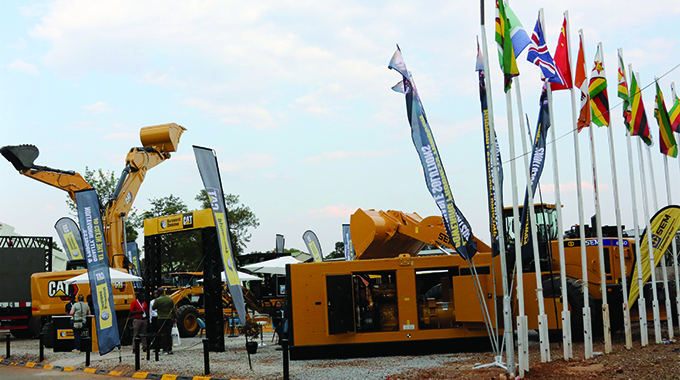
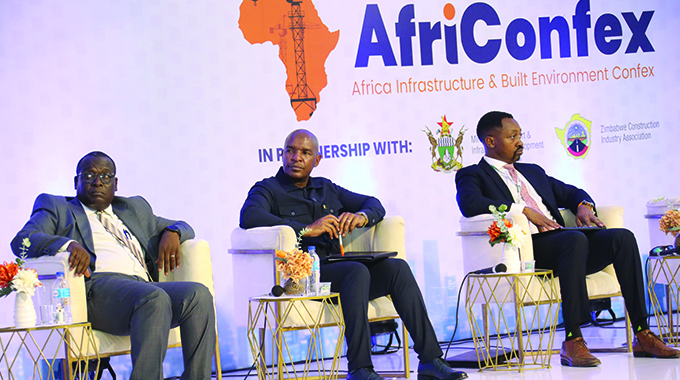
The event also runs concurrently with the Africa Infrastructure Built Environment Conference (AfriConfex) under the theme “Smart Moves: Powering Zimbabwe’s Infrastructure Evolution.”
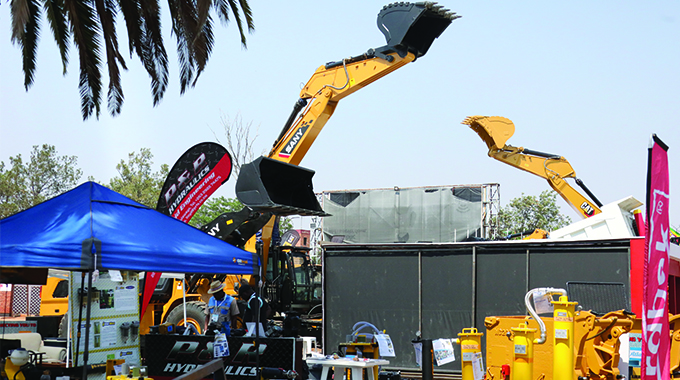
The dual hosting is deliberate, allowing mining and construction players to cross-pollinate ideas, share technologies, and explore synergies.
As ZMF’s Mr Takavarasha noted, “the equipment used in construction is the same yellow equipment used in mining.”
Zimbabwe Building Contractors Association president, Dr Tinashe Manzungu, echoed this synergy, saying the collaboration promotes innovation and shared growth in two sectors that underpin industrialisation.
For Zimbabwe, and indeed, for many resource-rich developing nations, the future of mining lies beyond extraction. It lies in sustainability, inclusivity, and innovation. It lies in empowering the miner at the bottom of the chain to rise with knowledge, technology, and access.
Mine Entra embodies that vision, a space where small-scale miners are not spectators, but key architects of a new mining economy, demonstrating that the path to global competitiveness begins with local empowerment.
Therefore, artisanal and small-scale miners may work with pickaxes and wheelbarrows today, but through Mine Entra, they are digging deeper into partnerships, knowledge, and a sustainable future.