admin
admin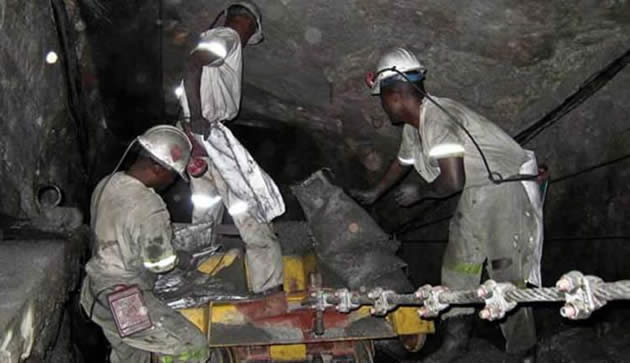
Oliver Kazunga Senior Business Reporter—-
WORKERS in the mining industry have been awarded a five percent salary increment in the 2014 collective bargaining negotiations, a development that will see the lowest paid employee in the sector earning $238 per month. The workers will receive the new salary structure starting this month backdated to January.
Before the adjustment, the least paid employee in the mining sector was earning $227 a month.
Associated Mine Workers’ Union of Zimbabwe (AMWUZ) president Tinago Ruzive said the workers would have wanted a higher percentage but the employers in the sector indicated that they had no capacity to award a pay rise above five percent.
“We have concluded the negotiations with the Chamber of Mines. The workers would have wanted a higher percentage but the employers are looking at the constraints that the mining sector is facing at the moment. We had to take the five percent they offered,” he said.
Efforts to get a comment from the Chamber of Mines president Alex Mhembere were futile as his mobile phone was not reachable.
Recently, the mining industry expressed concern over the operational challenges it was facing emanating from liquidity crunch, power cuts and decline of mineral prices on the international market.
The 2014 collective bargaining negotiations for workers in the mining sector started in November last year.
However, the negotiations took long to be concluded as parties in the negotiations could not agree on salary increment levels.
The workers through their representative wanted poverty datum line-linked salaries.
The government and the civil servants unions during the 2014 salary negotiations set the PDL at $505.
The Chamber of Mines during the collective bargaining negotiations claimed that employers were giving workers accommodation, electricity, water and medication.
It argued that if the perks were summed up in monetary value, they add up to $302 per month.
As such if any increment based on the PDL was to be effected, the monetary value of the perks should also be considered.


 Online Reporter