Business Reporter
Artisanal and small-scale miners have welcomed Fidelity Gold Refinery’s (FGR) decentralisation of gold buying centres, describing the initiative as a safe, convenient and transparent system that guarantees fair pricing while helping to curb illicit gold leakages.
Speaking in an interview last week during a media tour of gold buying facilities in Shamva and Bindura, small-scale miner Ms Esam Muradzi said bringing formal purchasing points closer to mining communities had transformed the way producers sell their gold.
“The decentralised gold buying centres have made it much easier for miners to sell their gold,” said Ms Muradzi.
“We are now able to get fair prices and transact at convenient locations without having to travel long distances carrying cash or bullion, which previously exposed us to security risks and unscrupulous middlemen.”
Another miner said the assurance of immediate payment in a secure environment had strengthened confidence in formal gold trading channels.
“Knowing that we receive instant, guaranteed cash in a secure environment gives us the peace of mind to focus on production rather than worrying about the safety of our earnings or being short-changed on the market,” the miner said.
The media tour, organised to familiarise journalists with FGR’s gold procurement and assaying operations in Mashonaland Central Province, highlighted efforts by the State-owned gold buyer and refiner to purchase bullion directly from grassroots producers.
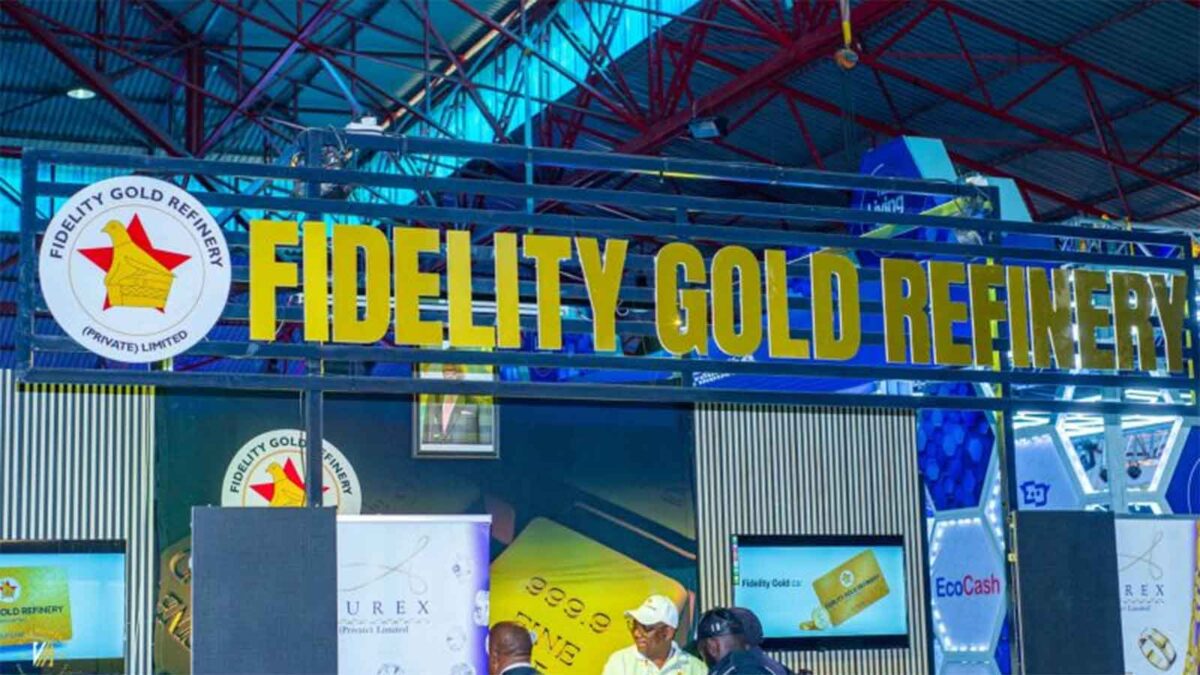
FGR operates 24 gold buying centres across the country, comprising nine standalone facilities established by the refinery, including the Shamva Country Club centre, and 15 others operating through strategic partnerships with CBZ Bank, ZB Bank and AFC Bank.
To complement its fixed network and extend its reach into remote mining communities, FGR also deploys mobile gold buying teams to collect deliveries directly from producers. The refinery further licenses agencies to purchase gold from miners.
Explaining the procurement process at the Shamva branch, Fidelity Gold buying officer Mr Tafara Ndiya said the centre combines a welcoming customer environment with stringent compliance procedures to safeguard the integrity and transparency of transactions.
“When a customer comes through the gate, they are screened by the security officer,” said Mr Ndiya.
“When they get inside, we’ve created a friendly environment so we make sure they are aware that we welcome them and want them to be comfortable.”
For new producers, the process begins with customer screening, profiling and registration.
“If it is a new [client], we start with screening and customer profiling.
“We’ve got a system whereby we onboard him or her — whether it’s a sole trader or a company — we collect all the documents, and once that customer is approved, we proceed with receiving the bullion,” Mr Ndiya explained.
Once the gold is presented to the buying clerk, it undergoes a series of inspections and tests to establish its authenticity, weight and purity before the final price is determined and payment processed.
The clerk first uses a magnet to check for iron impurities before weighing the bullion on a digital balance, with the gross weight agreed upon by both the buyer and the miner.
The gold is subsequently subjected to the specific gravity (SG) test to establish its purity and determine the basis for valuation.
Transaction details are then captured in the system, which generates a receipt signed by the clerk, the gold buying officer and the customer to provide a record of the transaction.
The payment clerk processes the payout, which is subjected to final authorisation by the buying officer before cash is released to the miner.
Artisanal and small-scale miners remain the backbone of Zimbabwe’s gold sector, consistently accounting for the largest share of national bullion deliveries.
Gold is Zimbabwe’s single largest foreign currency earner, making the formalisation of its production and trading channels critical to maximising national revenue and foreign currency inflows.
FGR, now a wholly owned subsidiary of the Mutapa Investment Fund following its transfer in March 2024, has prioritised expanding its national footprint to bring more artisanal and small-scale producers into the formal market and curb side-marketing.
Through partnerships with commercial banks, mobile buying operations, prompt cash payments and transparent assaying procedures, the refinery is seeking to make formal gold trading more accessible, strengthen accountability across the value chain and maximise deliveries towards national production targets.