Zimpapers Reporters
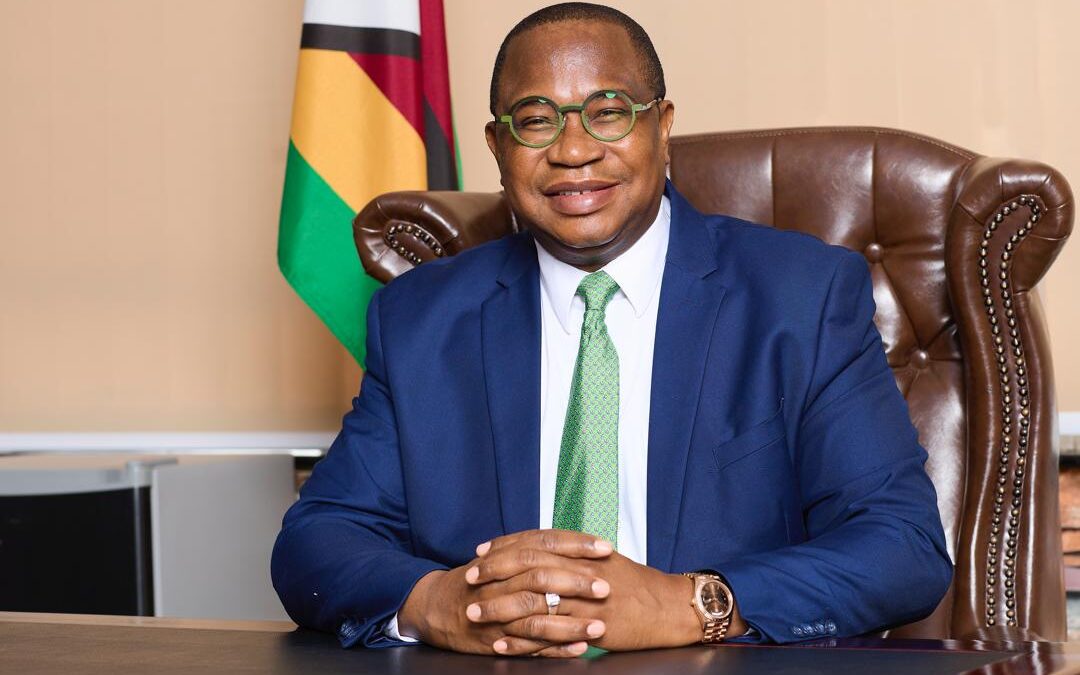
AS Finance Minister Professor Mthuli Ncube presents the 2027 National Budget this afternoon, ordinary citizens across the country have laid out key recommendations centred on social relief, economic inclusion and climate proofing.
Drawing from extensive nationwide public consultative meetings conducted by Parliament’s Portfolio Committee on Budget, Finance and Investment Promotion, citizens have urged the Treasury to focus on people-centric spending, addressing cost-of-living pressures and shielding vulnerable communities from recurring climate shocks.
In a brief media preview yesterday, Prof Ncube said the theme of the 2027 National Budget is: “Accelerating Economic Transformation and Building Resilience Against Climate Shocks” such as El Nino and global shocks from the global oil prices and the tensions around the world.
“Citizens can expect the budget to support macro-economic stability, making sure that we continue to live within our means in order to maintain the stability of the currency and low inflation, making sure that things are affordable in the shops,” he said.
“In doing so, the budget will continue to support economic growth by investing in infrastructure, by investing in devolution projects, leaving no one and no place behind.
“It will do so by supporting job creation, by supporting industry and commerce and investment in the mining sector. To support economic transformation, the budget will pronounce policies that support value-addition and so forth, making sure that we get the best out of our minerals.”
Prof Ncube said Treasury will also make sure that the budget supports vulnerable groups through the Pfumvudza/Intwasa Programme and through the Basic Education Assistance Module (BEAM)
Programme and through the provision of health services.
The budget presentation today, comes at a time when the country has experienced sustained macroeconomic stability since September 2024, characterised by a stable exchange rate, low inflation and increased exports—gains that citizens are now demanding be translated into tangible, life-changing relief for the ordinary person.
The budget consultations reached 2 694 citizens across 28 venues spanning every province, reflecting strong grassroots participation with a female majority (53,5 percent) alongside robust engagement from youth and persons with disabilities. A central cry from the public consultations was the urgent need to boost disposable incomes for low-income earners.
Citizens strongly proposed raising the tax-free threshold from US$100 to US$150 per month. Furthermore, taxpayers voiced strong concerns over the cumulative four percent transaction cost burden—comprising a two percent Intermediated Money Transfer Tax (IMTT) and two percent bank charges—which has heavily discouraged electronic banking and fuelled cash hoarding.
The public recommended halving the IMTT rate to one percent and harmonising electronic charges across ZiG and US dollar transfers to restore digital payment usage and deepen financial inclusion.
With the lingering threat of El Niño-induced weather patterns, food security and agricultural viability dominated public submissions.
Citizens called for scaling up the Pfumvudza/Intwasa programme with robust distribution of drought-resistant small grain inputs (sorghum and millet).
Communities also emphasised moving away from total reliance on rain-fed agriculture by channelling capital budget allocations towards large-scale irrigation infrastructure, solar-powered pumping stations and canal installations at major water bodies such as Tugwi-Mukosi, Machekeramwa and Bangala dams.
To protect livestock farmers, citizens have urged the Government to expand community dip tank functionality, ensure a continuous nationwide supply of dipping chemicals and ramp up active disease surveillance against theileriosis (January disease).
Additionally, farmers demanded instant payment upon crop delivery to the Grain Marketing Board (GMB) to protect their liquidity, alongside pricing models that reflect surging input costs. The public placed heavy emphasis on funding the social services sector to restore human capital dignity:
Citizens have also urged Treasury to leverage revenue growth to meet the Abuja Declaration target by allocating 15 percent of the budget to the health sector. Key demands include scrapping maternity fees, establishing dedicated obstetric fistula treatment centres in every province, providing free or heavily subsidised medication for chronic conditions like hypertension and diabetes and ensuring every district hospital has at least two functional ambulances.
Submissions called for honouring the 20 percent Dakar budget commitment for education, prioritising early childhood development (ECD), equipping school science laboratories, and addressing longstanding non-disbursements of Basic Education Assistance Module (BEAM) funds.
The public also strongly recommended removing all taxes on local sanitary wear and subsidising production inputs to keep vulnerable girls in school. Highlighting the erosion of purchasing power, a minimum 30 percent salary increase for civil servants has been recommended, alongside specific budgetary provisions to compensate pensioner victims of the 2009 currency shift.
Expressing frustration over local development bottlenecks, citizens decried the reported lack of devolution cash releases to local authorities since 2023.
They demanded strict adherence to constitutional allocations and transparent public disbursement schedules to empower local councils to fix urban infrastructure, improving rural water supplies through drilling boreholes and rehabilitation of feeder roads.
With Minister Ncube set to take to the podium this afternoon, economic analysts concur that public sentiment is unmistakable.
The 2027 National Budget must move “beyond statistical gains and translate sustained macroeconomic stability into tangible, bread-and-butter relief for every Zimbabwean.