Online Reporter
The Ministry of Mines and Mining Development has placed mineral beneficiation, increased production, digital transformation and environmental sustainability at the centre of its 2026–2030 Strategic Plan, as Zimbabwe seeks to strengthen the mining sector’s contribution to economic growth under National Development Strategy 2 (NDS2).
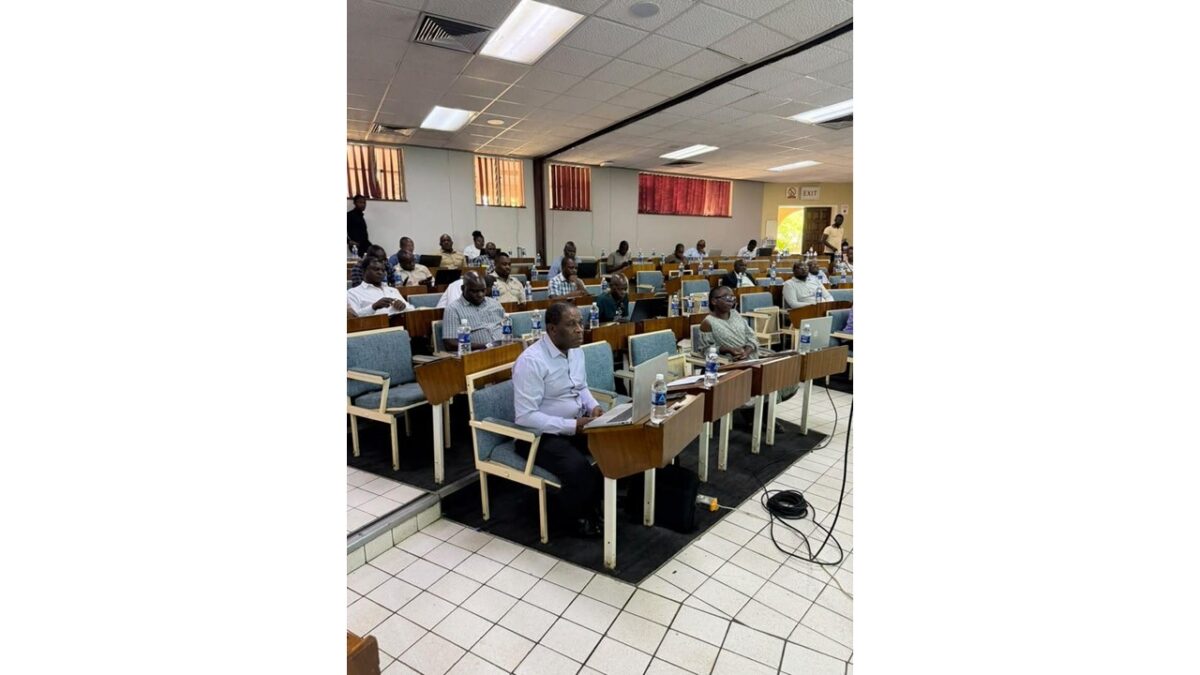
The strategic direction emerged during the Ministry’s week-long Strategic Planning Workshop, running from November 1 to 7, 2026, where senior officials are reviewing institutional performance, assessing implementation challenges and identifying priority interventions to strengthen the country’s mining industry.
Presenting the Ministry’s 2026 performance review, Chief Director Engineer C. S. Tahwa outlined progress across four strategic outcomes covering governance and administration, mining sector growth, environmental protection and the mining investment climate.
The review highlighted achievements in mineral beneficiation, small-scale miner capacitation and institutional service delivery, while identifying resource constraints, technology gaps and regulatory bottlenecks requiring attention.
According to the presentation, five mineral beneficiation plants had been commissioned against a third-quarter target of four, reflecting progress in Government’s efforts to promote domestic mineral processing and value addition.
The Ministry also reported that it had capacitated 5,344 small-scale miners, exceeding its third-quarter target of 4,000, while 22 geoscientific documents had been produced against a target of 20.
The mining sector growth indicator stood at 5.7 percent, matching the Ministry’s stated 2026 target.
The achievements highlight the mining industry’s role in Zimbabwe’s broader industrialisation programme, particularly as the country seeks to strengthen links between mineral extraction, manufacturing and downstream economic activity.
Under NDS2, which covers the period 2026 to 2030, mineral beneficiation and value addition remain important instruments for employment creation, export growth and the development of competitive domestic industries.
The performance review also highlighted progress towards strengthening the policy framework governing the sector.
Three policy documents have been drafted, covering the Minerals Development Policy, the Value Addition and Beneficiation Strategy, and the Artisanal and Small-Scale Mining Strategy.
However, the Ministry acknowledged the need to accelerate their approval and implementation to ensure that the proposed reforms translate into measurable economic outcomes.
Another key focus of the strategic planning process is the modernisation of mining title administration through the electronic mining cadastre system.
The review identified data verification, digital records and improvements to export-permit workflows among the milestones under the Ministry’s digital transformation programme.
This follows an October 23 public notice issued by Permanent Secretary Dr Thomas Utete Wushe, announcing the temporary suspension of walk-in services at the Deputy Cadastre Registrar’s Office from October 26 to accelerate implementation of the digital Mining Title Management System.
The system is intended to improve transparency, accuracy, security and efficiency in the administration of mining rights while creating a more predictable operating environment for investors.
The performance review also highlighted financial and operational constraints affecting the Ministry.
Against a 2026 budget allocation of ZWG$789 million, the Ministry reported receiving ZWG$207 million in budget releases, with expenditure amounting to ZWG$161 million, representing approximately 20 percent utilisation of the overall allocation.
Inadequate funding, delayed disbursements, transport limitations and insufficient field logistics were identified among the challenges affecting service delivery.
Environmental protection remains another priority under the Ministry’s strategic framework.
The review recorded environmental compliance at 65 percent, meeting the third-quarter target, while 5,344 miners had received training in occupational safety, health and mercury abatement.
All reported mining accidents were recorded as having been investigated, although the Ministry identified the need for further examination of the causes of rising mining accidents.
Mining inspections remained below target, with 3,000 conducted against a planned 5,400, highlighting the need for additional resources to strengthen monitoring and enforcement.
In investment promotion, the review recorded the implementation of one public-private partnership agreement against a target of three, while the mining business confidence indicator remained unavailable.
Gold bullion deliveries stood at 35.88 tonnes against a third-quarter target of 38 tonnes.
The performance gaps point to the need to strengthen institutional capacity, accelerate project implementation and improve coordination between Government, investors and mining stakeholders.
The strategic planning process is therefore expected to focus on aligning available resources with the country’s mineral development ambitions.
The presentation identified improved investment conditions, the operationalisation of digital systems, expanded exploration, environmental stewardship and stronger institutional accountability as essential priorities for the next phase of development.
Under the leadership of Mines and Mining Development Minister Dr Eng Polite Kambamura, these priorities form part of wider efforts to position Zimbabwe’s mining sector as a sustainable driver of economic transformation.
The Ministry concluded that, although progress had been recorded in mineral exports, miner capacitation, policy development and beneficiation, addressing investment challenges, completing digital transformation and strengthening institutional capacity would be critical to sustaining growth.
As the strategic planning workshop continues, attention will turn to how the Ministry translates its commitments into measurable results, ensuring that Zimbabwe’s mineral wealth supports industrial development, investor confidence and responsible mining while contributing to the attainment of Vision 2030.