Online Reporter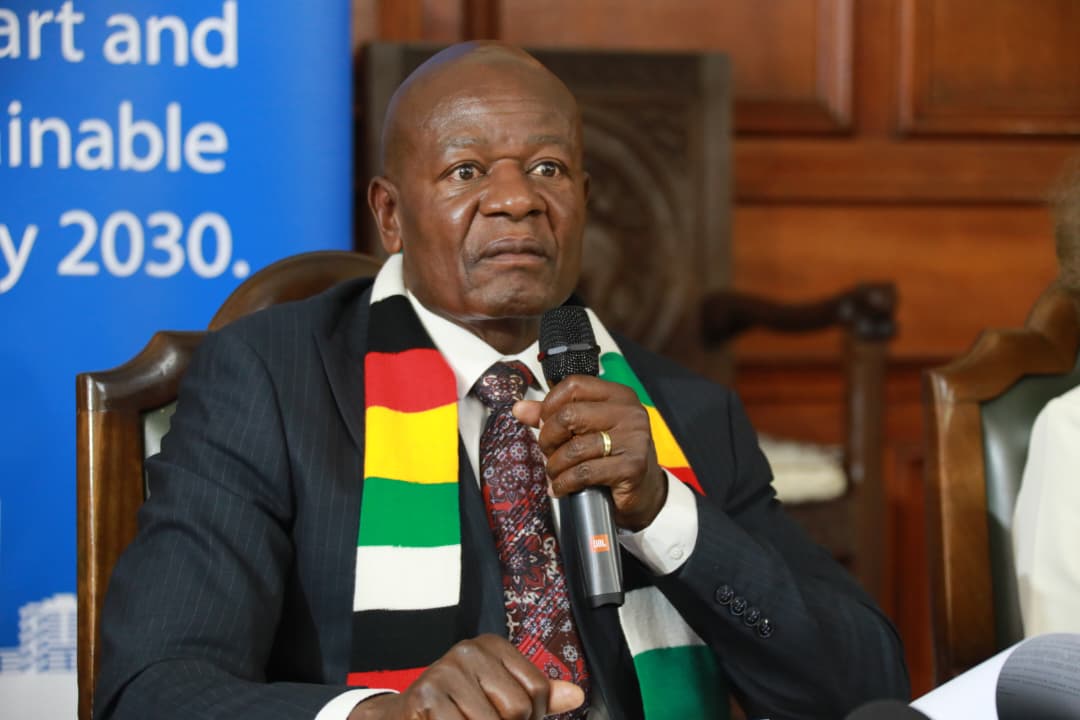
Mkhululi Ncube, [email protected]
LOCAL Government and Public Works Minister Daniel Garwe has urged vendors to respect municipal by-laws, saying Government will work with local authorities to provide adequate alternative trading spaces as it moves to restore order and cleanliness in urban centres.
Speaking during a stakeholders’ meeting in Bulawayo yesterday, Minister Garwe said the Government’s approach was not to wage war against informal traders, but to bring vending into an organised system that protects the livelihoods of traders while safeguarding the rights of residents and established businesses.
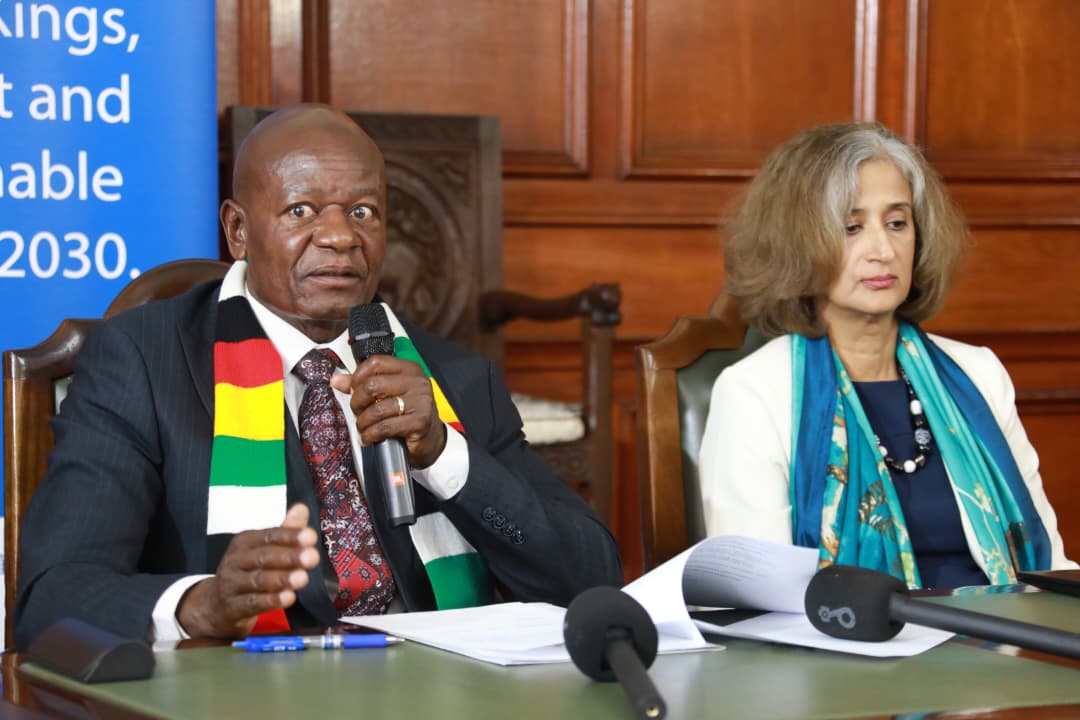
“Our vendors are not our enemies, but our brothers and sisters. Let us treat them with the dignity that they deserve. But when we are engaging them, let’s engage them in an educative manner so that we don’t create unnecessary animosity as we clean our cities,” he said.
Minister Garwe said local authorities should identify and provide sufficient designated vending areas, adding that Government would intervene where existing spaces were inadequate.
“If designated spaces are not adequate, please raise the alarm bell to the local authority. If there is no answer from the local authority, the Ministry of Local Government and Public Works will ensure that additional spaces are created,” he said.
Minister Garwe said vendors played an important role in supporting families and contributing to the economy, but their activities had to be conducted within the law and in a manner that respected other citizens.
“They demonstrate remarkable resilience and determination in their difficult circumstances. Their contribution to the economy must therefore be recognised. At the same time, the right to any livelihood must be exercised within a framework that respects the rights of other citizens in other areas,” he said.
Minister Garwe said Government and local authorities had a responsibility to create an environment where vendors, businesses and residents could coexist, while ensuring that urban centres remained clean, orderly and conducive to investment.
Turning to Bulawayo, Minister Garwe said the city’s deteriorating cleanliness, informal trading, illegal activities and poor waste management could no longer be allowed to define the city, which he described as Zimbabwe’s industrial and cultural capital.
He said the city’s identity as the “City of Kings and Queens” should be reflected in its roads, public spaces, sanitation systems, waste management and overall urban environment.
“The quality of the roads in Bulawayo, the quality of the water that people drink in this beautiful city and the sanitation facilities, the waste management systems, public spaces and overall urban environment is not merely a reflection of municipal performance but is also its identity. How do we want to be defined as the owners of Bulawayo and residents of Bulawayo?”
Minister Garwe said Bulawayo was a vital industrial hub and gateway to regional markets and should therefore not be characterised by litter, pollution, illegal activities or uncontrolled informal trading.
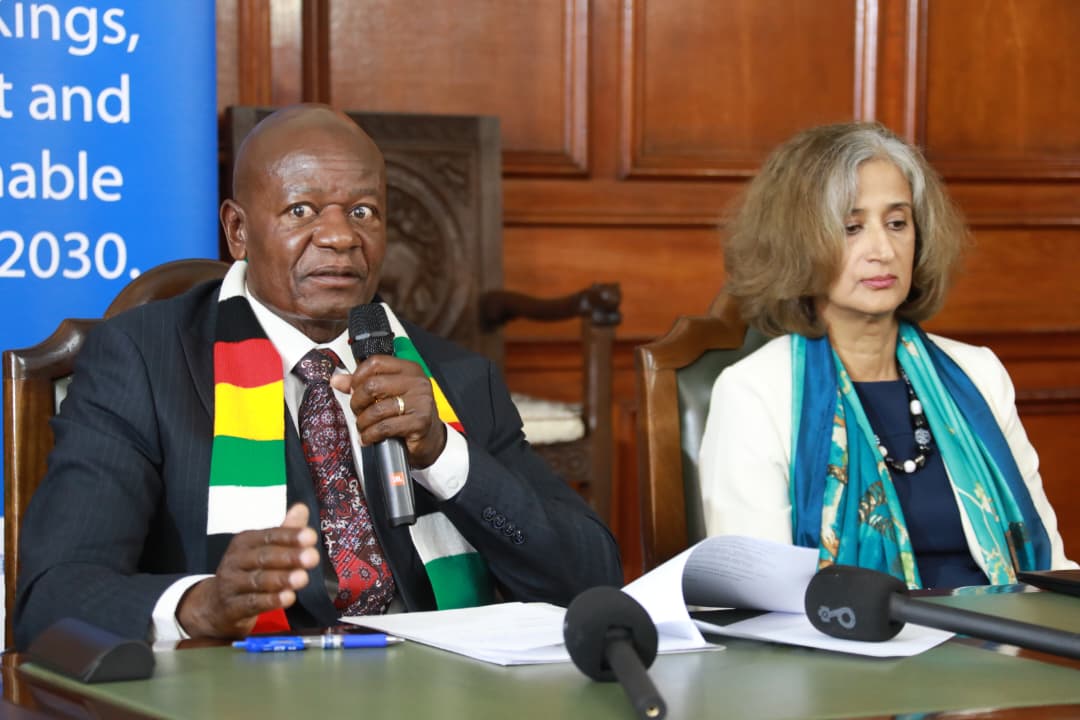
“Bulawayo must never be a home for lawlessness. It must never be a home for irregularity. It must never be a home for illegality. It must never be a home for drug and substance activities. It must never be a haven for the underworld,” he said.
Minister Garwe stressed that restoring order in the city was not the responsibility of the local authority alone, but required the participation of Government, residents, businesses, vendors and other stakeholders.
“It is not the responsibility of the local authority alone. It is not the responsibility of the councillor in the ward. It is our responsibility, all of us, as a collective,” he said.
Minister Garwe also called for an immediate end to open defecation and the use of plastic bags as makeshift toilets, saying the practice was a threat to public health and human dignity.
“We have got to clean our streets, to be responsible enough to stop, with immediate effect, flying toilets. To stop, with immediate effect, open defecation in our sanitary lanes, in our safety zones. I am talking of the things that are happening every day,” he said.
The Minister said such practices were inconsistent with the dignity expected in a modern city.
“We are stripping ourselves of that right to human dignity by doing what we are doing and then developing what we are now calling flying toilets,” he said.
Minister Garwe said Government’s urban clean-up drive was part of broader efforts to create cities capable of attracting investment and supporting economic growth, in line with Zimbabwe’s ambition of attaining an upper-middle-income economy status by 2030.
He urged residents to take ownership of the condition of their city, saying many of the problems confronting urban centres had been created by society itself.
“When these problems were created, we were the architects. We were the engineers who were designing the problems that are before us,” he said.
Minister Garwe said the objective was to restore confidence in Bulawayo and ensure that residents and visitors could once again take pride in the city.
“Bulawayo must not be defined by irregularity. The central business district of Bulawayo is not a dump site, but a home for business and commerce,” he said.
Minister Garwe said the Government wanted future generations to inherit clean, orderly and functional cities.
“We want our future generations to inherit beautiful cities. Let’s leave the legacy that everybody would want to cherish,” he said.
“The city that inspires confidence, attracts investment, supports enterprises, and provides its residents with the dignity and quality of life they deserve is called the city of Bulawayo,” he said.
Minister Garwe said restoring the city’s cleanliness and order would ultimately require a whole-of-society approach, with every stakeholder playing a part.
“It is a collective responsibility. It is a whole-of-society approach. Everyone has got their role to play,” he said.
@themkhust