Online Reporter
Fungai Lupande
Mashonaland Central Bureau
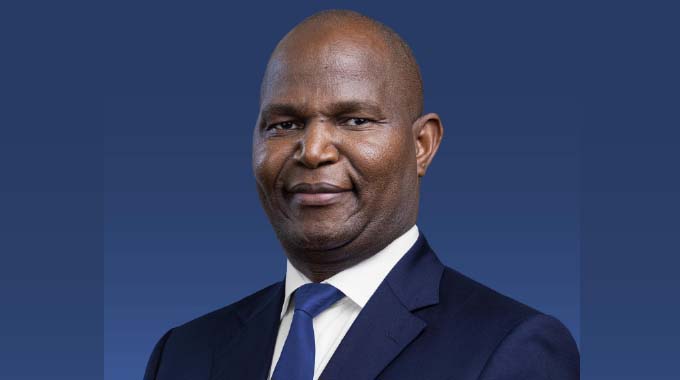
Information, Broadcasting and Publicity Minister Zhemu Soda, who is also Muzarabani North legislator, is leaving a lasting mark on schools in his constituency through infrastructure development and material support aimed at improving the learning environment for pupils and teachers.
From classroom blocks and ablution facilities to teachers’ accommodation and solar-powered water systems, Minister Soda has been supporting schools across the constituency, with communities also playing their part through the provision of labour and locally available resources.
The initiatives have brought relief to schools that have for years grappled with inadequate infrastructure and shortages of essential facilities.
At Machaya Secondary School, where Minister Soda did his secondary education, school head Mr Charles James said the legislator had continued to support the institution’s development.
“He has been assisting the school with infrastructure development and several projects, including solar-powered water system,” Mr James said.
Teacher Mr Edmond Mbavare said Minister Soda’s support had not been limited to his former school, but had extended to several schools in Muzarabani.
He said the Minister had provided cement and roofing materials to schools including Machaya Secondary, Machaya Primary, Museredza Secondary and Muzarabani Primary, among others.
Mr Mbavare said during disasters like whirlwinds, Minister Soda is right on time in helping schools in distress.
At Muzarabani Primary School, the support helped revive a stalled classroom construction project.
School head Mr Jacob Chikayiwa said construction of a classroom block had stopped at window level before Minister Soda intervened with cement and roofing materials.
“The assistance from our Member of Parliament helped us complete the classroom block which had stalled at window level,” Mr Chikayiwa said.
The school has also benefited from new ablution facilities, including toilets designed to cater for learners with disabilities and facilities that provide greater privacy and convenience for the girl child.
The project also demonstrated the importance of community participation, with residents providing sand, quarry stones and labour while the minister supplied cement and roofing materials.
Mr Chikayiwa said the school had also recorded a major breakthrough in staff accommodation, with the construction of its first teachers’ house.
“Today, the school proudly boasts its first-ever teachers’ house, accommodating three teachers in six rooms,” he said.
“Before construction of the staff accommodation, teachers were forced to rent accommodation elsewhere or travel long distances to work.”
The improved accommodation is expected to make it easier for the school to retain teachers and improve their availability to learners, particularly at a rural school where access to suitable accommodation has traditionally been a challenge.
Minister Soda’s interventions come at a time when many schools in rural communities continue to require additional classrooms, staff accommodation, ablution facilities and other learning infrastructure.
This also illustrates the potential of partnerships between elected representatives, schools and communities in addressing infrastructure gaps.
For Muzarabani North, the developments are not only about constructing buildings, but creating an environment where teachers can work effectively and learners can access education under better conditions.
With Minister Soda continuing to support schools across the constituency, communities are increasingly seeing infrastructure development as a shared responsibility, with Government, legislators, school authorities and residents contributing according to their capacity.